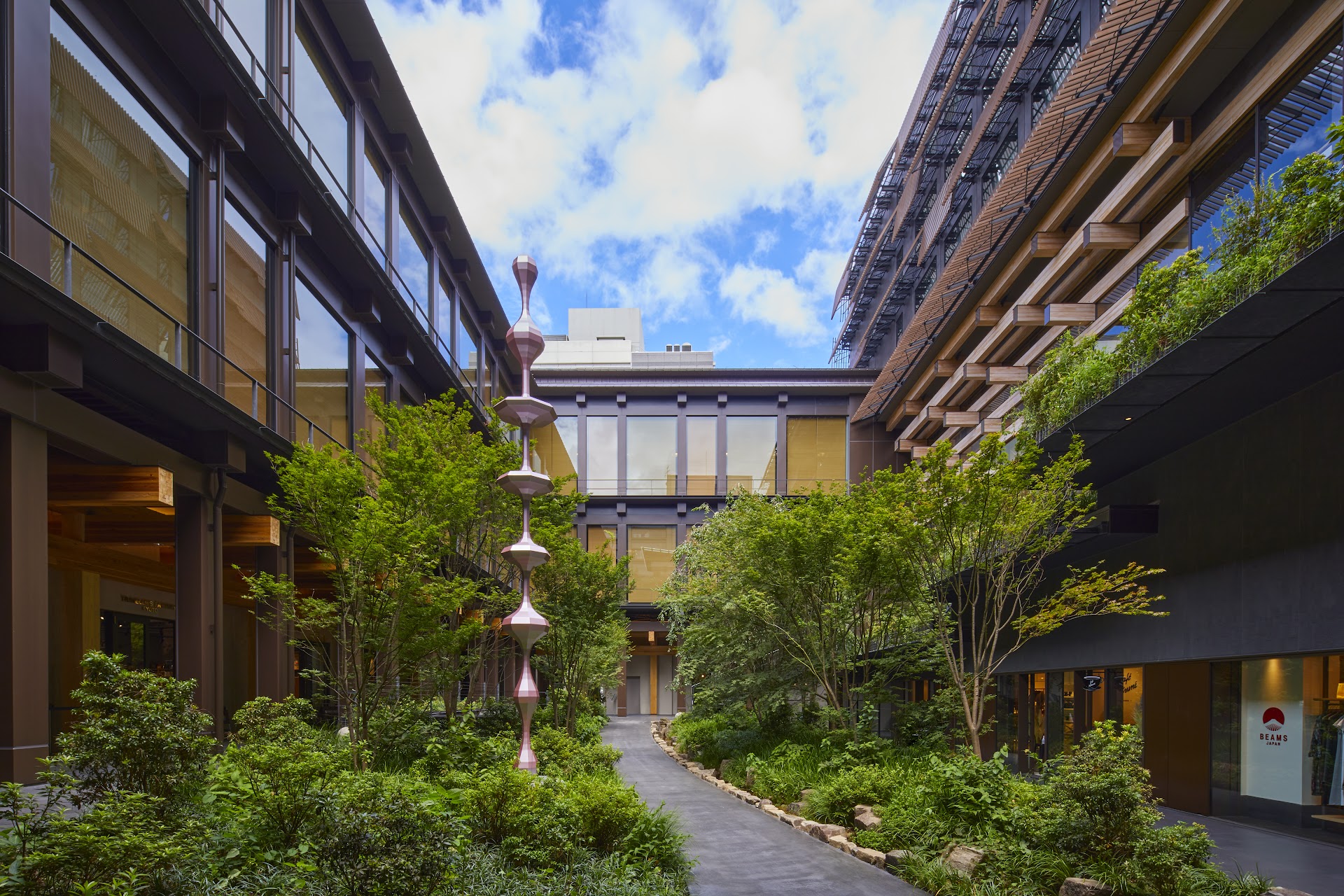
Kyoto has no shortage of places to sleep — ryokan tucked behind bamboo gates, sleek business hotels facing Shijo-dori, minimalist guesthouses with paper-thin walls and thinner pillows. But Ace Hotel Kyoto occupies a category of its own: a century-old telegraph building reimagined by architect Kengo Kuma, sitting in the middle of Nakagyō Ward with enough design credibility to make architecture critics and Instagram travelers equally interested. The real question isn’t whether it’s beautiful — it is — but whether the rate, which can climb past ¥60,000 a night, tells a story worth paying for.
Best Timing
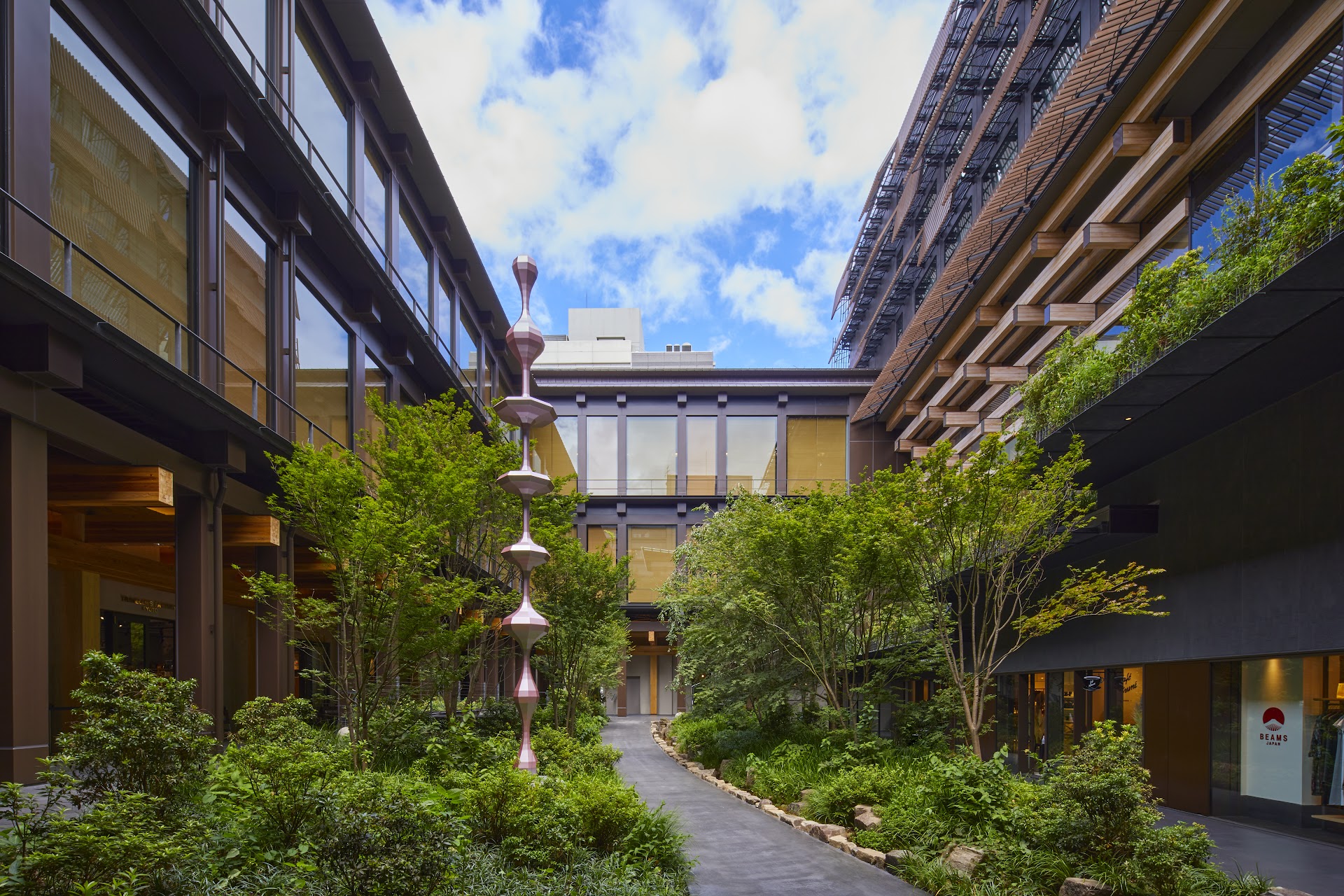
Kyoto’s tourist calendar is unforgiving at the extremes. March through early April (cherry blossom season) and mid-October through November (autumn foliage) bring crowds that can double hotel rates across the board, and Ace is no exception — expect peak-season surcharges pushing nightly costs toward ¥80,000 or more. For the best balance of livable weather and manageable crowds, late May and early September are the sweet spots: warm enough to enjoy the rooftop bar without a jacket, quiet enough that the lobby doesn’t feel like a convention hall.
Within any given day, the hotel reveals itself most clearly in the early morning. The lobby between 7:00 and 9:00 a.m. has a particular quality of light — the Kengo Kuma latticework filters the eastern sun into something that feels almost architectural in itself. Checking in on a weekday evening also tends to be smoother; weekend check-in queues can stretch, which is at odds with the hotel’s otherwise unhurried atmosphere.
Core Experiences
The Kengo Kuma Lobby
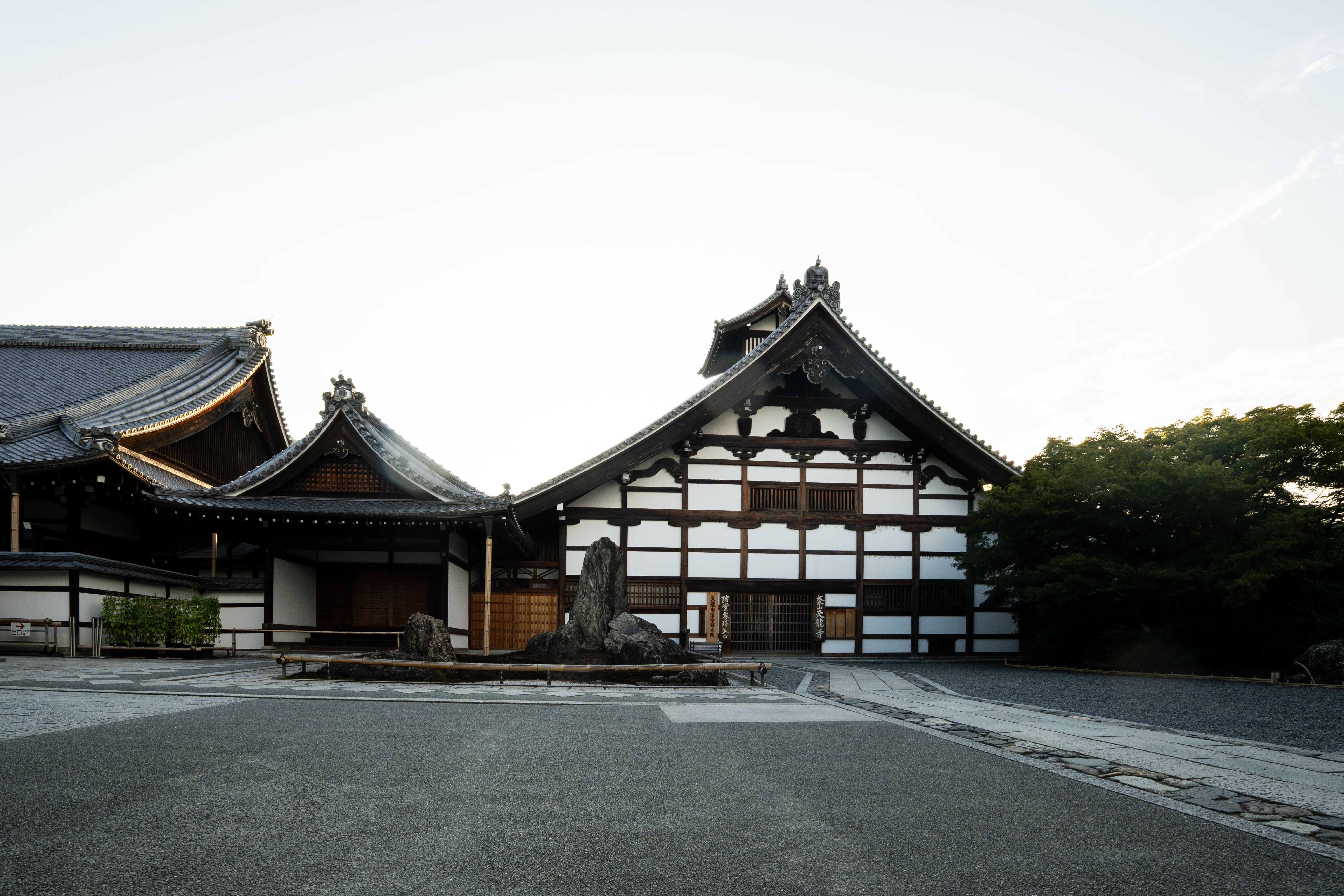
The first thing to understand about Ace Hotel Kyoto is that the lobby is not a waiting room — it is the argument. Kengo Kuma’s design vocabulary here centers on a gridded cedar latticework ceiling that references traditional kumiko joinery while reading, from below, as something almost digital in its precision. The bones of the 1926 Kyoto Central Telephone Company building — high ceilings, load-bearing columns, generous floor plates — gave Kuma a canvas that most hotel architects only dream about. The result is a lobby where guests linger long past check-in, seated on custom furniture that splits the difference between Mingei craft and midcentury American hotel cool. Local ceramics, textiles from Nishijin weavers, and rotating art installations keep the space from feeling frozen in a single aesthetic moment. It is, in the HotelLens sense, what the hotel tells you about the city: Kyoto takes its craft seriously, and so does this building.
- 📍 Nakagyō Ward, 245-2 Kurumayacho, Kyoto · 💰 Free to enter · ⏰ Lobby accessible 24 hrs · ⭐ 4.7
- What locals know: The latticework ceiling photographs best from the northwest corner of the lobby, where the morning light enters at an angle. Arrive before 8:30 a.m. if you want the space without crowds.
The Guest Rooms — Tatami-Toned and Honestly Sized
Ace rooms here are not enormous — the standard Deluxe King runs approximately 28–32 sqm, which, for ¥50,000+, requires some mental recalibration if you’re used to Tokyo’s sprawling Park Hyatt footprints. What the rooms trade in square footage they deliver in material quality. Walls are finished in a warm diatomite plaster that echoes the color palette of aged tatami without literally deploying it. Bedding is heavy, the blackout curtains are thorough, and the bathroom fixtures — deep soaking tub in select room categories — are clearly specified with care. The Room with Engawa, a category unique to this property, adds a narrow wooden veranda corridor between the sleeping area and the window, a direct translation of traditional machiya architecture into a modern hotel room. At roughly ¥10,000–15,000 more per night than standard, the Engawa category is the one worth stretching for.
- 📍 Same building · 💰 ¥48,000–¥95,000/night depending on category and season · ⏰ Check-in 15:00, Check-out 12:00 · ⭐ 4.5
- What locals know: Book the Engawa room category directly through Ace’s own website — it’s occasionally cheaper than third-party OTAs by ¥3,000–5,000 and comes with more flexible cancellation.
Shokudo OKU — The In-House Restaurant
Ace Hotel properties globally tend to treat food as an afterthought dressed up in good lighting. Shokudo OKU, the ground-floor restaurant, is the exception that challenges that rule. The menu is built around a Japanese izakaya sensibility filtered through a Kyoto ingredient philosophy: obanzai-style small plates (seasonal vegetables from Kyoto’s northern farms), a wood-fired robata section, and a sake list that goes deeper than the usual tourist-facing selections. The dining room itself — dark wood, pendant lights, an open kitchen that generates just enough noise to make the space feel alive — manages to serve both hotel guests and walk-in Kyoto locals, which is the clearest possible signal that the food earns its place. Breakfast here features Kyoto-style dashi tamago gohan (egg on rice with precise dashi broth), a small detail that tells you the kitchen is paying attention.
- 📍 Ground floor, Ace Hotel Kyoto · 💰 Dinner approx. ¥5,000–¥8,000/person; Breakfast ¥3,500 set · ⏰ Breakfast 07:00–10:30, Dinner 17:30–22:00 · ⭐ 4.4
- What locals know: Reservations for dinner fill up by Tuesday for the coming weekend — book via the hotel’s concierge or directly by phone at least 5–7 days in advance.
The Rooftop Bar — Nakagyō Overhead
The rooftop at Ace Hotel Kyoto is not trying to compete with a 40th-floor Tokyo bar. At six stories, the view is intimate rather than panoramic — the kind of perspective where you can read the roofline of a neighboring machiya rather than watching the city miniaturize. That specificity is the point. A craft cocktail program led by Japanese bartenders works with local botanicals — yuzu, sansho, shiso — and the resulting drinks feel like a logical extension of the Kyoto ingredient philosophy downstairs at OKU. The bar opens at 17:00 and the first hour, before the post-dinner crowd arrives, offers the best combination of light (golden hour over Nakagyō rooftops) and elbow room. In summer, the heat retains until well past sunset; in autumn, a light jacket is essential by 19:00.
- 📍 6F, Ace Hotel Kyoto · 💰 Cocktails ¥1,800–¥2,800; No cover charge for hotel guests · ⏰ 17:00–24:00 (last order 23:30) · ⭐ 4.6
- What locals know: Non-hotel guests are welcome but the bar gets crowded on weekends after 19:30. Arrive at opening (17:00) to claim the north-facing counter seats with the clearest sightline over the ward.
Nishiki Market — Ten Minutes from the Front Door
The hotel’s location in Nakagyō Ward is not an accident — it places guests within a ten-minute walk of Nishiki Market, Kyoto’s 400-meter covered shopping street known locally as “Kyoto’s Kitchen.” The market runs east-west between Teramachi and Takakura streets and contains roughly 130 vendors selling pickled vegetables, fresh tofu, grilled skewers, dashi-soaked kombu, and Kyoto-specific sweets like yatsuhashi (cinnamon rice-flour confection, both baked and raw). For hotel guests, Nishiki functions as the city’s best morning orientation — the kind of walk that shows you what Kyoto actually eats and buys before the tour buses arrive. Stalls open from 09:00, with the freshest selection and most manageable crowds appearing between 09:00 and 10:30 on weekday mornings.
- 📍 Nishikikoji-dori, between Teramachi and Takakura, Nakagyō Ward · 💰 Budget ¥1,000–¥2,500 for tastings/small purchases · ⏰ Most stalls 09:00–18:00 (varies by vendor; Sundays quieter) · ⭐ 4.5
- What locals know: Skip the Teramachi entrance end (most tourist-facing) and enter from the Takakura side — the first dozen stalls from that direction tend to be vendor-to-vendor wholesale suppliers who also sell retail, with lower markups and more serious product.
Recommended Route
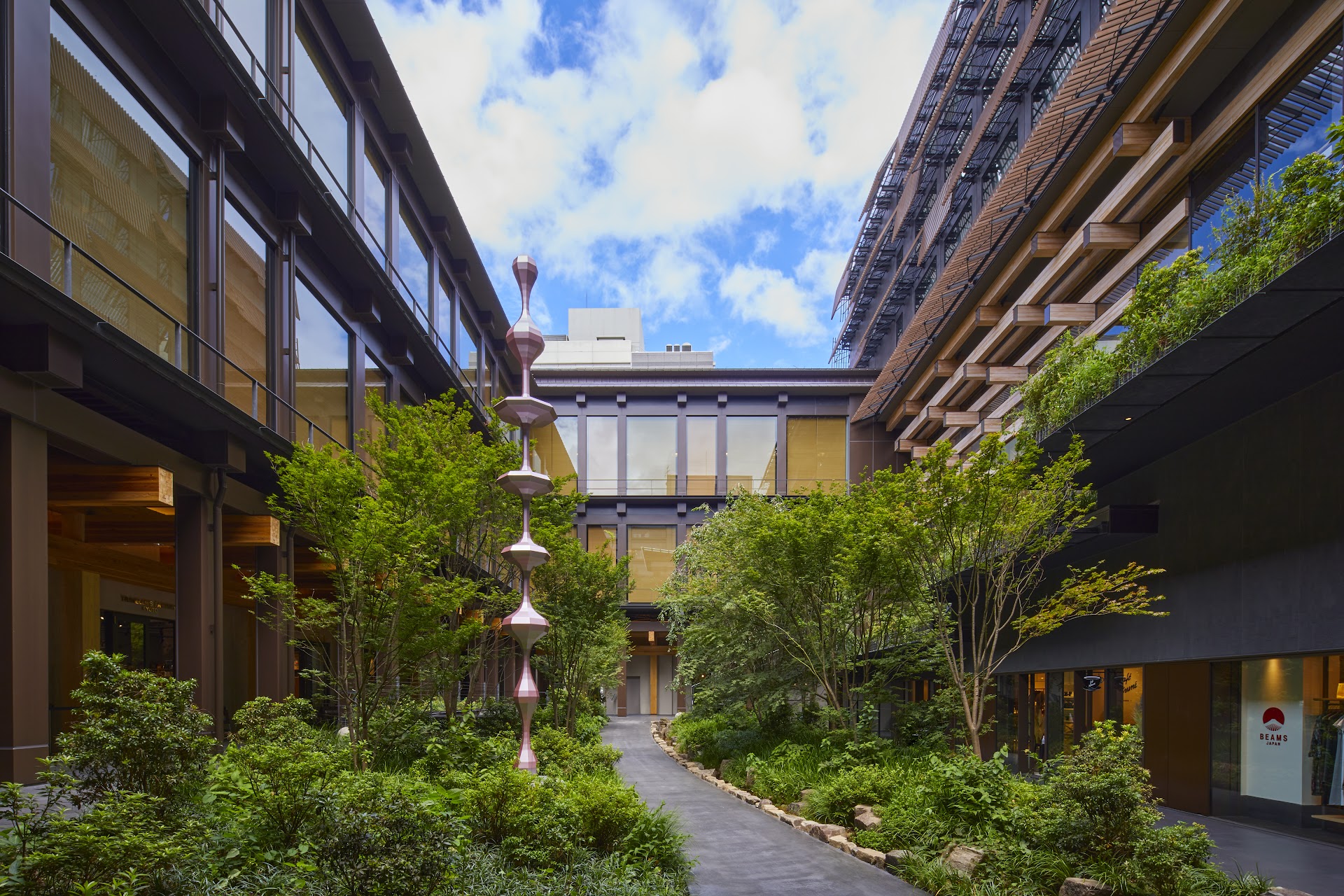
A well-paced day anchored at Ace Hotel Kyoto might run as follows:
07:00 — Breakfast at Shokudo OKU. Arrive early; the dining room is quietest before 08:00 and the dashi tamago gohan is worth the unhurried experience.
08:30 — Spend 20–30 minutes in the lobby after breakfast. The morning light through the Kengo Kuma latticework is at its most photogenic before the check-in crowd appears.
09:15 — Walk west 10 minutes to Nishiki Market (enter from Takakura side). Spend 60–90 minutes moving east through the stalls, tasting, picking up a packet of aged pickles or fresh yuba as a room snack.
11:00 — Return to hotel; the surrounding Nakagyō streets between the hotel and Karasuma-Oike subway station have several independent ceramics and textile shops worth 30–40 minutes of browsing.
12:00 — Light lunch from Nishiki (most vendors serve takeaway skewers and tofu). Return to room for the engawa quiet hours.
15:00 — Check-in time if arriving today; or an afternoon walk toward Nijo Castle (15 minutes northwest on foot).
17:00 — Rooftop bar opens. Arrive at exactly 17:00 for the best seats and golden-hour light. One to two cocktails over 60–90 minutes.
19:00 — Dinner at Shokudo OKU (reservation required in advance). Finish by 21:00.
Budget · Transport · Booking
Room rate: ¥48,000–¥95,000/night, depending on category and season. The Engawa room category adds ¥10,000–15,000 but is architecturally distinct enough to justify it for design-focused travelers.
Dining: Breakfast set ¥3,500; dinner at OKU ¥5,000–¥8,000/person with drinks. Nishiki Market snack budget ¥1,000–2,500.
Rooftop: No cover charge for hotel guests. Budget ¥3,000–5,000 for two cocktails and a shared snack.
Total per-day spend (room + all meals + bar): approximately ¥60,000–¥110,000/night for one person, or ¥75,000–¥130,000 for two sharing a room — competitive with a high-end ryokan but in a distinctly different aesthetic register.
Getting there: Karasuma-Oike Station (Karasuma Line and Tozai Line intersection) is a 3-minute walk from the hotel. From Kyoto Station, take the Karasuma Subway Line north to Karasuma-Oike (4 stops, approximately 8 minutes, ¥260). From Osaka, the Hankyu Kyoto Line to Karasuma Station is the most direct option (Karasuma Station is one stop south of Karasuma-Oike on the subway). No taxi necessary from central Kyoto.
Booking: Reserve directly on Ace Hotel’s website for the best rate and cancellation flexibility. Rooms sell out 3–5 weeks in advance during peak seasons (late March–early April, mid-October–November). For the Engawa room, book 6–8 weeks out during autumn foliage season.
Must-Know Tips
- 🕐 Check-in is 15:00; check-out is 12:00. Luggage storage is available, but the lobby is genuinely comfortable for waiting — it’s designed for lingering.
- 💴 Bring cash for Nishiki Market. Many smaller vendors are cash-only; the nearest 7-Eleven ATM (accepts foreign cards) is a 2-minute walk east on Shijo-dori.
- 📸 Photography in the lobby is generally welcome, but Shokudo OKU and the rooftop bar ask guests not to use tripods or professional lighting equipment without prior arrangement with the hotel’s PR team.
- 👘 No strict dress code at the rooftop bar or restaurant, but the design-forward aesthetic of the property tends to attract guests who dress with some intention — smart casual reads well here; beach wear does not.
- 🗣️ English service is strong at the front desk and concierge; Shokudo OKU staff speak functional English. At Nishiki Market, a translation app (Google Translate camera mode) handles the gap effortlessly.
- 🧴 The in-room amenities include Ace’s own branded toiletries — a cedar and hinoki scent profile developed for the Kyoto property specifically. The full-size bottles are available for purchase at the front desk at ¥2,800, and they sell out regularly.
Closing
Ace Hotel Kyoto doesn’t ask you to choose between history and design-consciousness — it insists both can occupy the same building, and then it proves the point with enough material detail to make the argument stick. The rate is real, and for travelers who would otherwise book a traditional ryokan, the comparison is honest: a ryokan gives you ritual and service theater; Ace gives you architecture, neighborhood access, and a rooftop cocktail looking out over the rooflines of Nakagyō. Neither is wrong. The question is which lens you want on your Kyoto morning. If the answer involves Kengo Kuma cedar lattices and yuzu-inflected cocktails at golden hour, the rate justifies itself before checkout. Book the Engawa room, arrive early enough to own the lobby light, and walk to Nishiki before 10:00 — the hotel’s best feature is the city it puts within a ten-minute radius.
🏨 Where to Stay
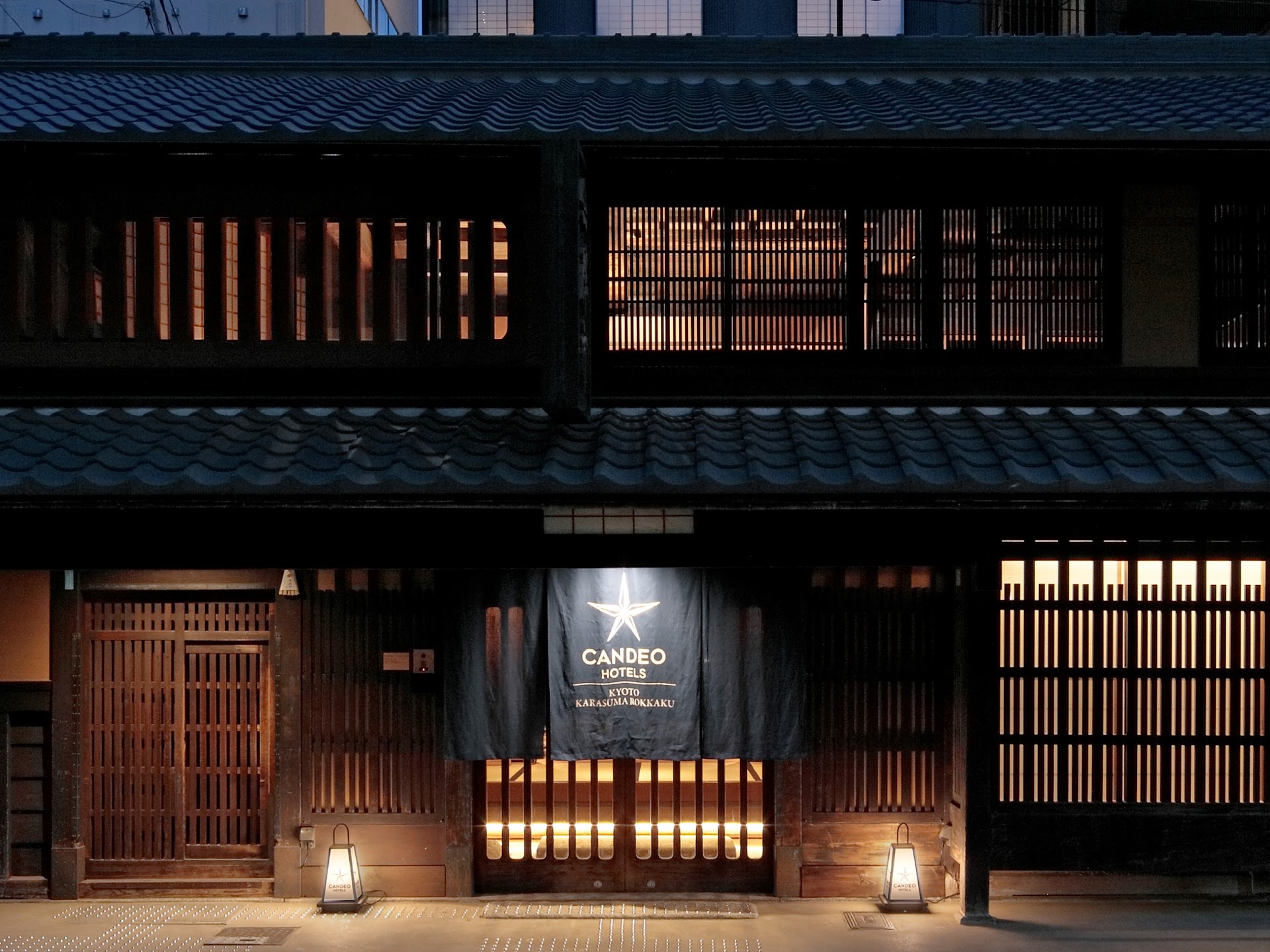
 CANDEO HOTELS Kyoto Karasuma Rokkaku⭐ 4.0 · 8.9/10 (2,523) · $95 /night
 HOTEL FORZA KYOTO SHIJO KAWARAMACHI⭐ 4.0 · 9.1/10 (7,676) · $58 /night
 Travelodge Kyoto Shijo-Kawaramachi⭐ 3.0 · 8.8/10 (4,851) · $38 /night
Agoda affiliate link — clicks go to the price-comparison page.