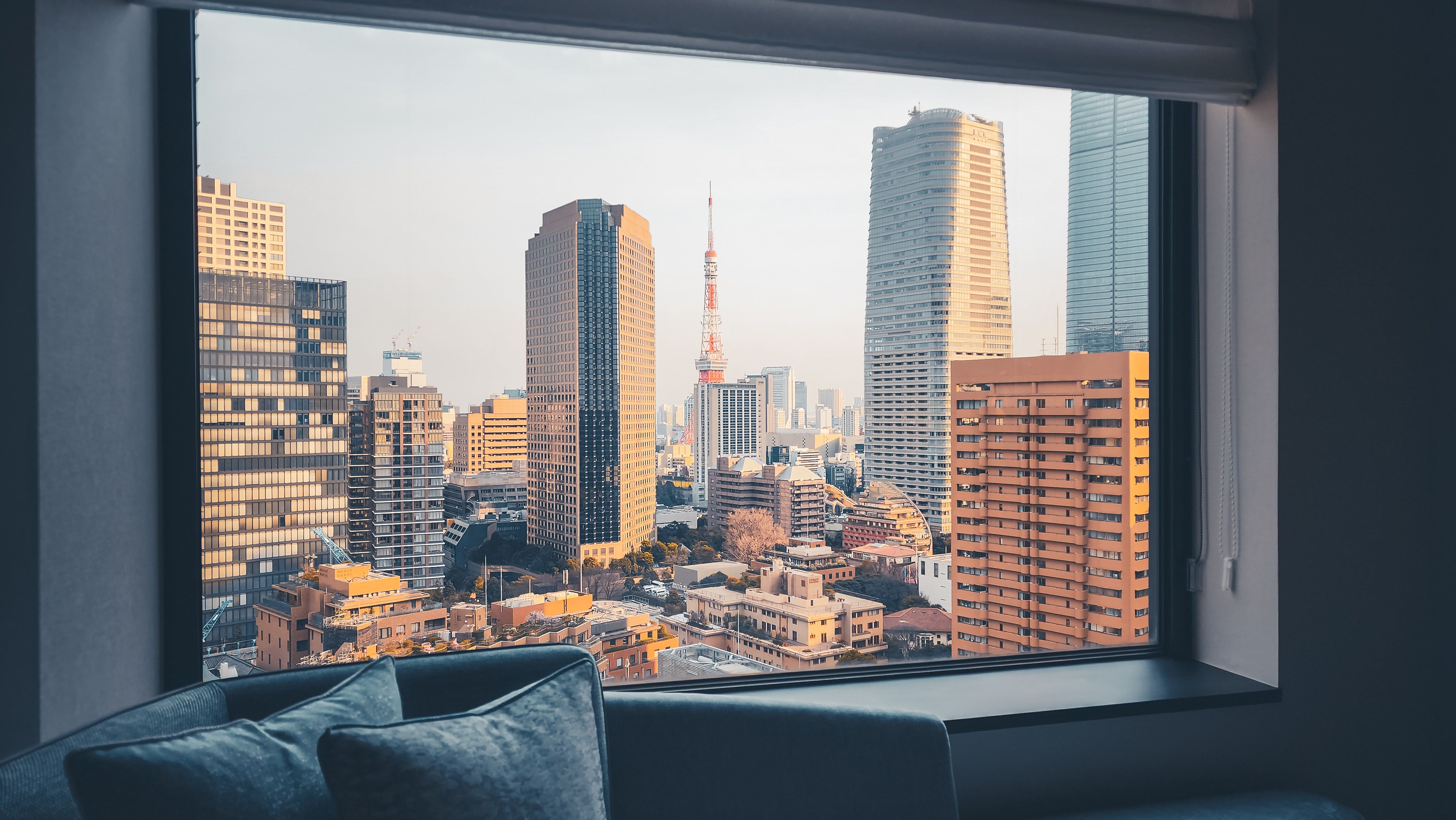
There is a particular kind of quiet that belongs only to a certain class of Tokyo hotel — the kind where the elevator opens soundlessly, the corridor carpet swallows your footsteps, and the city below feels curated rather than chaotic. The Peninsula Tokyo, anchored in the Marunouchi district with the Imperial Palace moat on one side and Ginza’s lacquered storefronts on the other, is that hotel. The question this guide answers is straightforward: does a night in Room 1620 — or any of its floor-to-ceiling-windowed siblings — justify the rate?
Best Timing
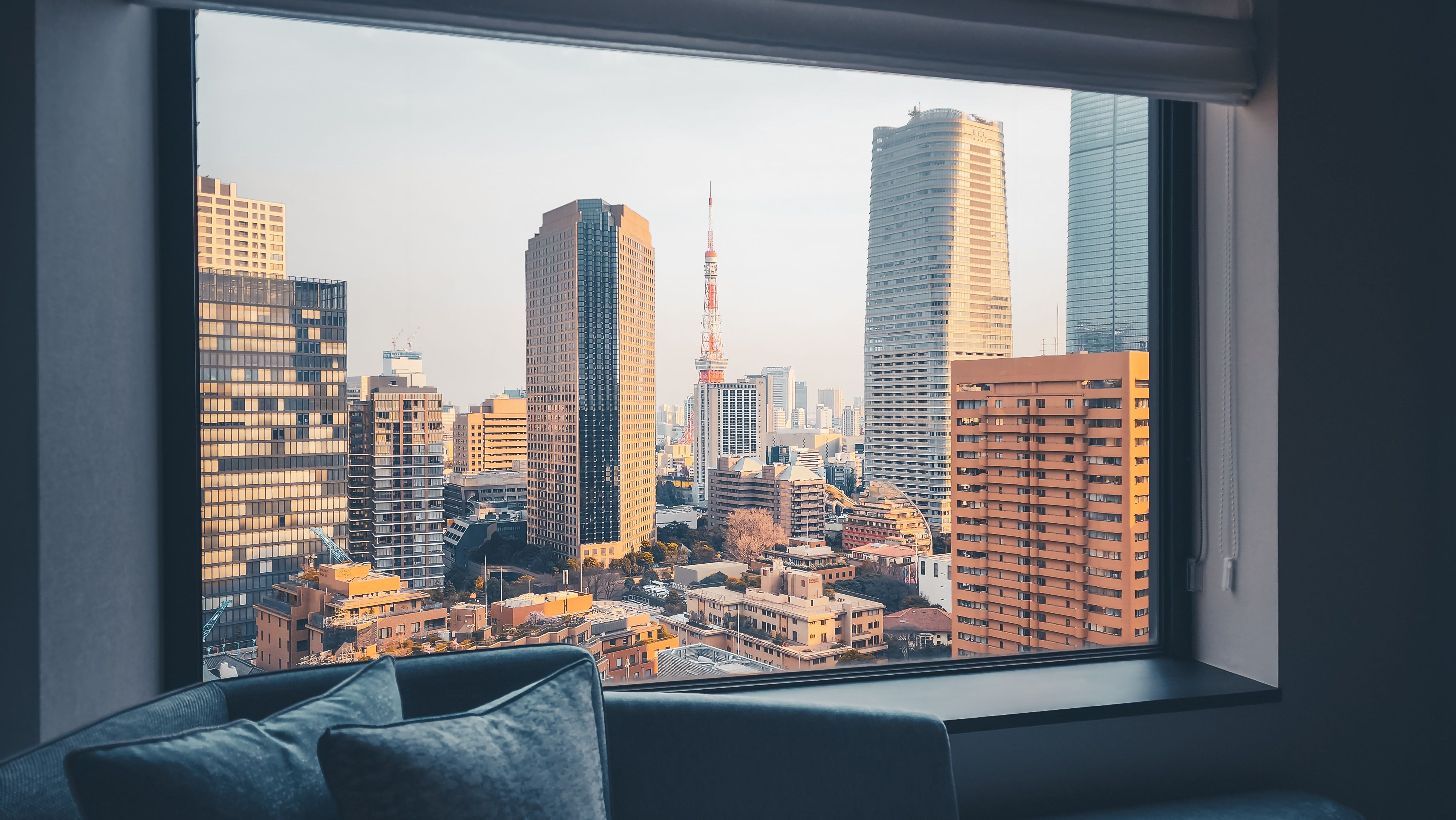
The Peninsula Tokyo operates at a high standard year-round, but the room’s panorama earns its full authority in late March through early April (cherry blossom season along the Imperial Palace outer gardens) and again in mid-October through mid-November when the ginkgo trees lining Hibiya Park turn a deep, almost metallic gold. Both windows of opportunity last roughly two weeks, and rates climb accordingly — expect a 15–25% premium over the hotel’s shoulder-season floor price of around ¥130,000–¥160,000 per night for a Deluxe City View room.
For the view itself, the optimal hour is dawn, roughly 05:30–06:30 depending on the season. Tokyo’s eastern horizon lights up in stages — a bruise of purple, then amber, then the hard silver of the city coming online — and from the 16th floor, the Imperial Palace’s dark pine canopy acts as a foreground anchor against that gradient. Weekday mornings are markedly quieter in the lobby and at breakfast; if your schedule allows, a Tuesday or Wednesday check-in avoids the weekend leisure crowd and the Sunday-evening business-traveler surge.
Core Experiences
Room 1620 — Deluxe City View
The room itself is the primary argument for the rate. At 65 square meters, a Deluxe City View at The Peninsula Tokyo is not large by global ultra-luxury standards, but the allocation of space is precise: a deep soaking tub positioned so you face the window, a writing desk that runs the full width of the room near the glass, and a bed angled so the first thing visible upon waking is the Palace greens and the distant ridge of the Shinjuku skyline. The linen thread count registers physically — sheets that feel more like cool stone than fabric. The in-room technology panel controls everything from the blackout curtains to the bath temperature, and it actually works without a tutorial. The bathroom features Acqua di Parma amenities, a rainfall shower, and a TV embedded in the mirror above the double vanity.
- 📍 The Peninsula Tokyo, 1-8-1 Yurakucho, Chiyoda-ku · 💰 From ¥130,000/night (Deluxe City View) · ⏰ Check-in 15:00, Check-out 12:00 · ⭐ 4.8 / 5.0
- What locals know: Request a high floor explicitly at booking — floors 14 and above clear the Hibiya intersection tree line and deliver an unobstructed Palace view.
The Lobby & Peter: The Bar
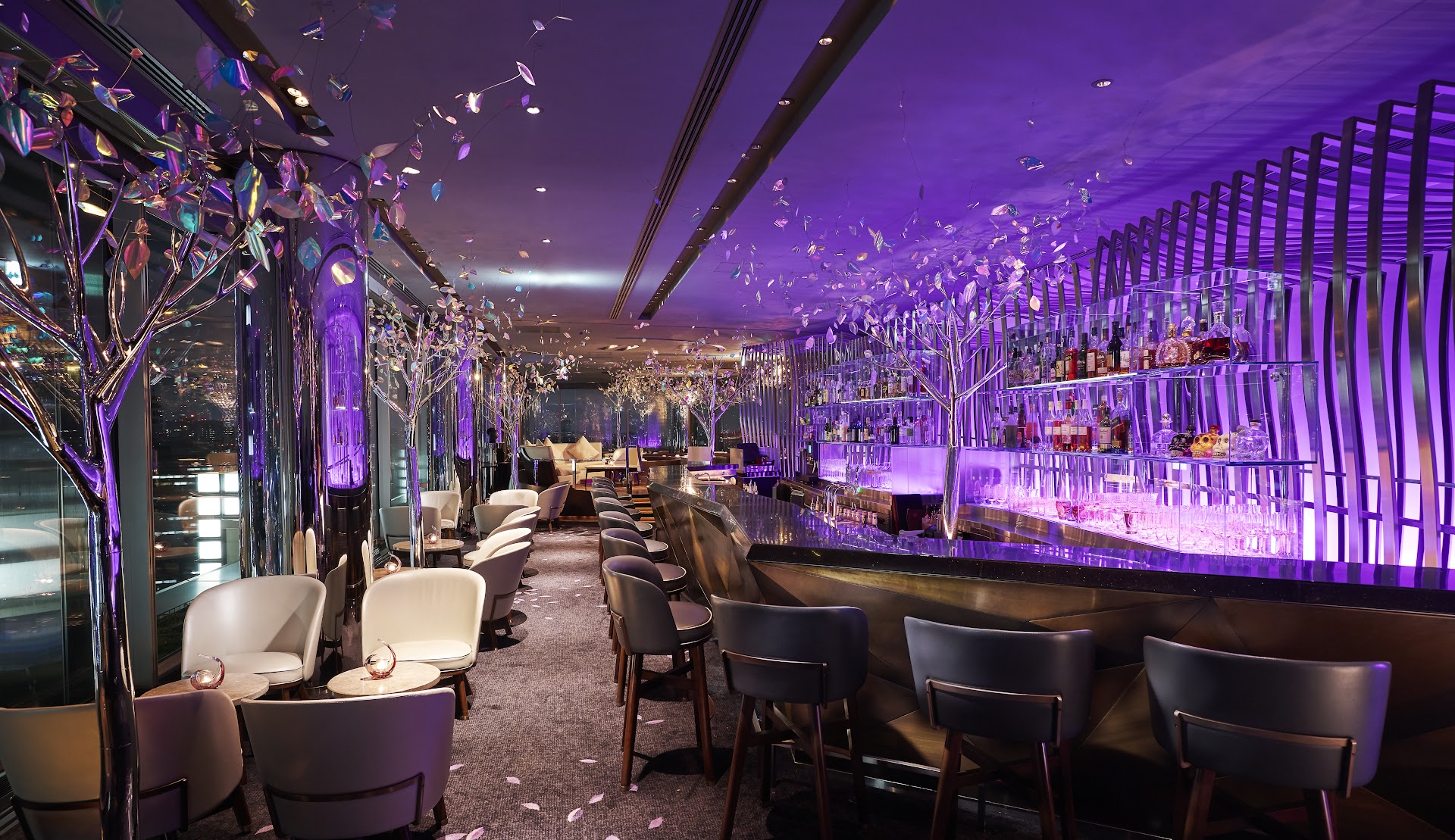
The Peninsula Tokyo’s lobby operates as a quiet social theater — one of the few hotel ground floors in Tokyo where lingering is architecturally encouraged rather than merely tolerated. Afternoon tea in the lobby lounge runs 14:00–17:00 and costs approximately ¥8,500 per person for the seasonal set; the matcha financiers and the house-smoked salmon on brioche are the anchors of the spread. After 18:00 the energy shifts: Peter: The Bar, on the 24th floor, takes over as the premium perch. The bar’s east-facing windows frame the Shiodome towers and the thin green thread of the Palace moat lit from below. The signature Peninsula Gimlet (yuzu, Tanqueray, house cordial) runs ¥2,800 and is worth every yen as a sunset drink. The bar seats roughly 80, so arrive before 19:00 on weekends to secure a window table without a reservation.
- 📍 24F, The Peninsula Tokyo · 💰 Cocktails ¥2,500–¥4,200 · ⏰ Bar: 17:00–01:00 daily; Lobby Tea: 14:00–17:30 · ⭐ 4.7 / 5.0
- What locals know: The bar’s north-corner two-top seats (tables 3 and 4 by local regulars’ count) face the Imperial Palace directly — ask the host specifically, not generically for “a window seat.”
The Peninsula Breakfast — 24F Hei Fung Terrace
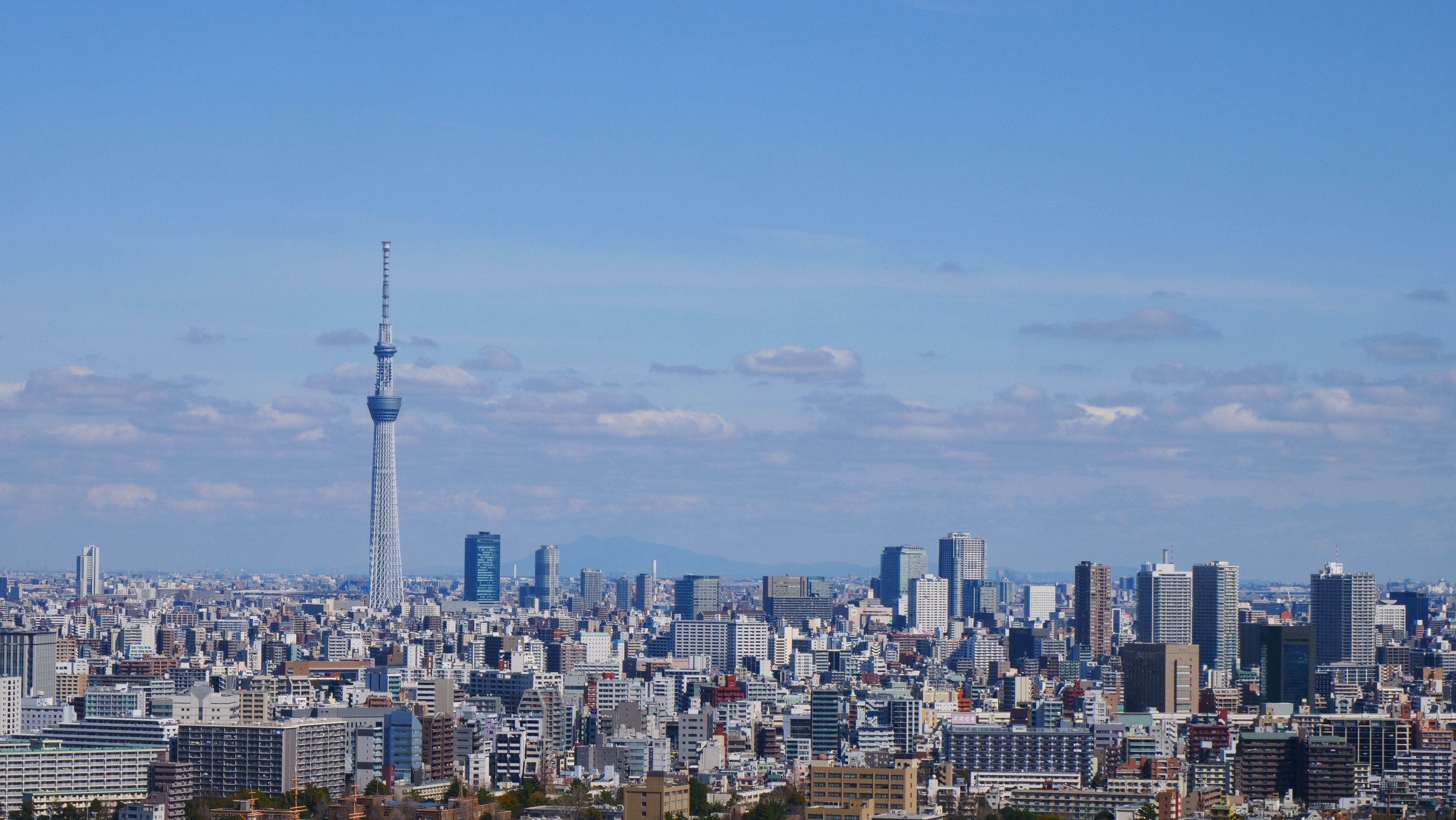
Breakfast at The Peninsula is not a buffet afterthought. Hei Fung Terrace, the hotel’s Cantonese restaurant, pivots in the morning to a full à la carte and buffet hybrid that reveals something specific about how Tokyo luxury hospitality understands the morning: with discipline. The dim sum cart operates from 07:00, and the har gow and char siu bao are produced in the hotel’s own kitchen at a standard competitive with Hong Kong’s best teahouses. The eggs Benedict come with kurobuta ham; the fresh-squeezed juice list runs to eight varieties. Budget ¥6,000–¥9,500 per person inclusive of service. The floor-to-ceiling windows here, one level above Peter: The Bar, offer a slightly different elevation on the same eastern panorama — morning light fills the room from the left, and on clear days Skytree is visible on the far horizon.
- 📍 24F, The Peninsula Tokyo · 💰 À la carte ¥2,500–¥5,000 per dish; set breakfast ¥6,500–¥9,500 · ⏰ 07:00–10:30 daily · ⭐ 4.6 / 5.0
- What locals know: The dim sum cart stops rolling at 09:30; arriving after 10:00 means à la carte only and a noticeably thinner selection.
The Imperial Palace Outer Gardens — 10-Minute Walk
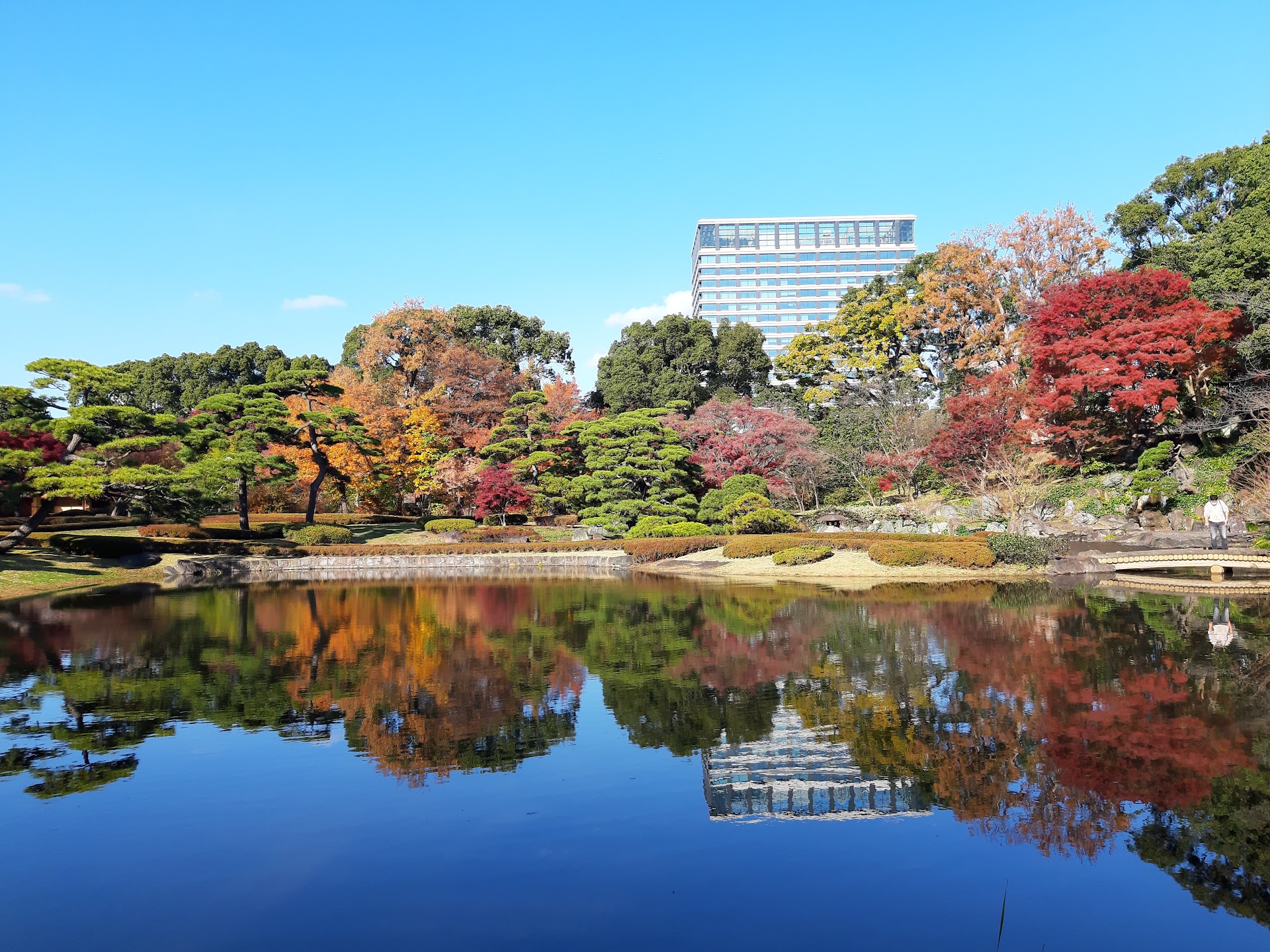
Step out the Peninsula’s east entrance onto Hibiya-dori, cross at the Babasaki-mon intersection, and in ten minutes of flat pavement the Imperial Palace Outer Gardens open ahead: a vast, gravel-and-pine space that functions as Tokyo’s civic breathing room. The Nijubashi Bridge — the double-arched stone bridge that appears in every postcard — is visible from the main approach path, and the Seimon Ishibashi stonebridge just beyond it frames a reflection shot that requires no telephoto lens. The Outer Gardens are free, open daily, and function as a morning walking circuit for Marunouchi office workers and visiting travelers alike. The full outer loop is approximately 3.5 km and takes 40–50 minutes at a comfortable pace. Early morning (before 08:00) the paths are nearly empty, the gravel still damp, and the Palace walls catch the horizontal dawn light in a way that no afternoon visit replicates.
- 📍 Chiyoda, Tokyo (5-min walk from Babasaki-mon gate) · 💰 Free · ⏰ Outer gardens: 24 hours; Inner grounds tours require advance booking via Imperial Household Agency · ⭐ 4.7 / 5.0
- What locals know: The Kikyo-mon gate on the northwest perimeter is significantly less photographed than Nijubashi and offers a cleaner architectural frame with fewer visitors at any hour.
Hibiya Park & the 10-Minute Neighborhood Radius
Directly southwest of the Peninsula, Hibiya Park — Tokyo’s first Western-style public park, opened in 1903 — functions as the hotel’s unofficial garden. The park’s first-generation ginkgo trees (planted at opening) reach 25–30 meters and create one of Tokyo’s most photogenic autumn corridors in late November. In any season, the park’s open-air concert bandshell and the Tsuru no Fountain (a French-style bronze crane fountain at the park’s center) provide quiet counterpoints to Marunouchi’s corporate density. Exit the park’s northeast corner and Ginza’s Matsuya and Mitsukoshi department stores are a six-minute walk; Tokyu Plaza Ginza’s rooftop garden is eight minutes. The neighborhood radius from the Peninsula front door covers, without exaggeration, the greatest concentration of high-end retail, architecture, and public green space in central Tokyo.
- 📍 Hibiya Park, 1-6 Hibiya-koen, Chiyoda-ku · 💰 Free · ⏰ 24 hours (some facilities 09:00–17:00) · ⭐ 4.5 / 5.0
- What locals know: The park’s Yonchome intersection entrance (northeast corner, closest to Ginza) has a small Starbucks Reserve kiosk — useful for an early-morning coffee before the Peninsula breakfast service opens.
Recommended Route
05:30 — Wake before sunrise; position at the room’s writing desk window with the blackout curtains drawn back. Watch the Palace canopy emerge from the dark. This costs nothing and is the single best argument for the rate.
07:00 — Walk to Hei Fung Terrace for breakfast. Arrive early for dim sum cart access. Allow 60–75 minutes.
08:30 — Exit the Peninsula’s east entrance, cross Hibiya-dori, and enter the Imperial Palace Outer Gardens via Babasaki-mon gate. Walk the full outer loop (3.5 km, ~45 minutes), pause at Nijubashi for the reflection shot, then exit via Kikyo-mon to the northwest.
09:45 — Cross back through Hibiya Park (10 minutes through the park’s center, past the Tsuru fountain). Sit for 10 minutes at the bandshell area if weather permits.
10:15 — Return to hotel. Use this window for the spa (The Peninsula Spa opens at 09:00; book a 60-minute Jet Lag Recovery treatment at ¥28,000 — the most pragmatic of the menu’s options for a single-night stay).
12:00 — Check out. Late check-out to 14:00 available on request (subject to availability; ask at check-in, not at the desk at 11:45).
12:30 — Walk six minutes east into Ginza for lunch at Kyubey (sushi, lunch sets from ¥8,000) or northwest to Marunouchi Building’s B1 food hall for a more casual exit meal.
Budget · Transport · Booking
| Item | Estimated Cost |
|---|---|
| Room (Deluxe City View, 1 night) | ¥130,000–¥175,000 |
| Dinner at Peter: The Bar (2 cocktails + snacks) | ¥8,000–¥12,000 |
| Breakfast at Hei Fung Terrace (per person) | ¥6,500–¥9,500 |
| Spa treatment (60 min) | ¥28,000 |
| Imperial Palace Outer Gardens | Free |
| Hibiya Park | Free |
| Afternoon tea (lobby, per person) | ¥8,500 |
| Total (1 night, 2 people, full experience) | ~¥280,000–¥360,000 |
Getting there: The Peninsula Tokyo sits directly above Hibiya Station (Tokyo Metro Hibiya, Chiyoda, and Mita lines; Exit A7 connects to the hotel basement). From Narita Airport, take the Narita Express to Tokyo Station (53 min, ¥3,070), then walk 12 minutes or take one subway stop to Hibiya. From Haneda Airport, take the Tokyo Monorail to Hamamatsucho then the Yamanote Line to Shimbashi (30 min total, ¥700), and walk 10 minutes.
Booking: Book directly via the Peninsula website for the best room-category guarantee and complimentary perks (welcome amenity, late checkout request). Rates are broadly static across OTAs, but direct booking unlocks the hotel’s Peninsula Prestige loyalty tier benefits from the first stay. For cherry blossom and autumn foliage periods, book 60–90 days in advance — the City View room category sells out first.
Must-Know Tips
- 🕔 Dawn is the product. The rate for a City View room is partly paying for the 05:30–07:00 hour at that window. Set the alarm or you’ve bought a very expensive bed.
- 💴 Cash for the park; card for everything else. The Imperial Palace gardens and Hibiya Park are free, but the surrounding Marunouchi retail corridor is uniformly card-friendly. The hotel itself accepts all major cards and foreign currency exchange at the front desk.
- 👗 Dress code at Peter: The Bar is smart casual enforced — no athletic shoes, no shorts after 18:00. The lobby tea is more relaxed but still neat-casual.
- 📸 Photography inside the hotel: Permitted in public areas (lobby, bar); guests are asked not to photograph other guests. The Nijubashi Bridge in the Imperial Gardens bans tripods during peak tourist hours (08:00–17:00) to manage foot traffic — shoot handheld or arrive before 07:30.
- 🗣️ Language: All Peninsula staff at reception, concierge, and the bar speak fluent English. Outside the hotel, Hibiya Park and the Palace gardens have English signage throughout. No Japanese required for this particular radius.
- 🧳 Luggage: The hotel offers complimentary luggage storage post-checkout and will arrange same-day delivery to any Tokyo address or directly to Narita/Haneda airport hotels via a partnered courier (arrange 24 hours ahead through concierge).
Closing
What The Peninsula Tokyo in Marunouchi tells you about how Tokyo wants to be seen is this: the city respects the frame. The Imperial Palace below, the engineered silence of the corridors above — this is a hotel that understands that luxury in Tokyo is never loud. The view from Room 1620 doesn’t announce itself. It simply waits, in pre-dawn darkness, until the city decides to appear. Whether that story is worth ¥130,000 or more per night depends entirely on whether you’re the kind of traveler who wakes up to watch a city arrive — if you are, book the highest floor available, draw back the curtains before you sleep, and let Tokyo do the rest.
🏨 Where to Stay
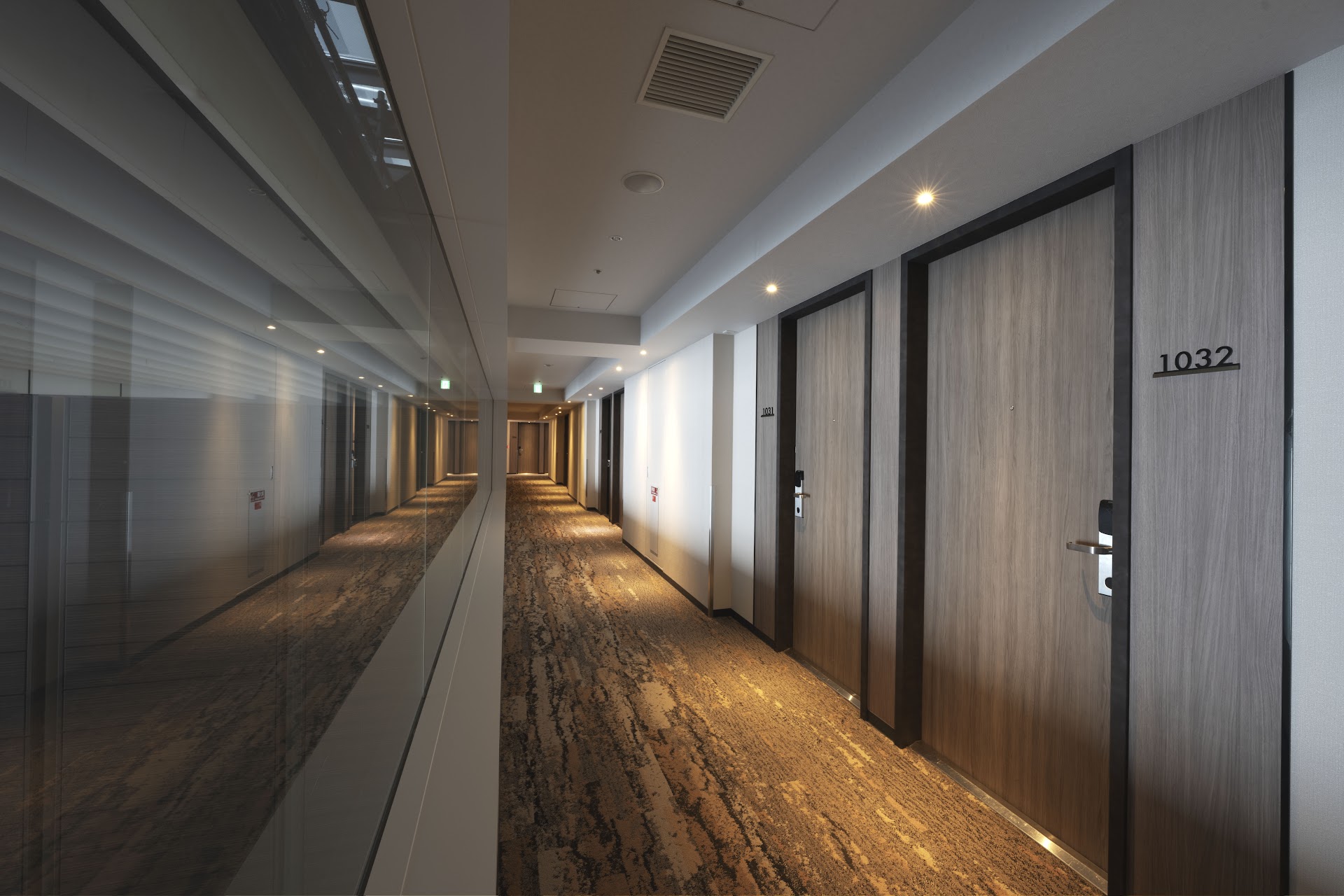 Hotel Villa Fontaine Grand Tokyo-Shiodome⭐ 4.0 · 8.7/10 (15,090) · $81 /night
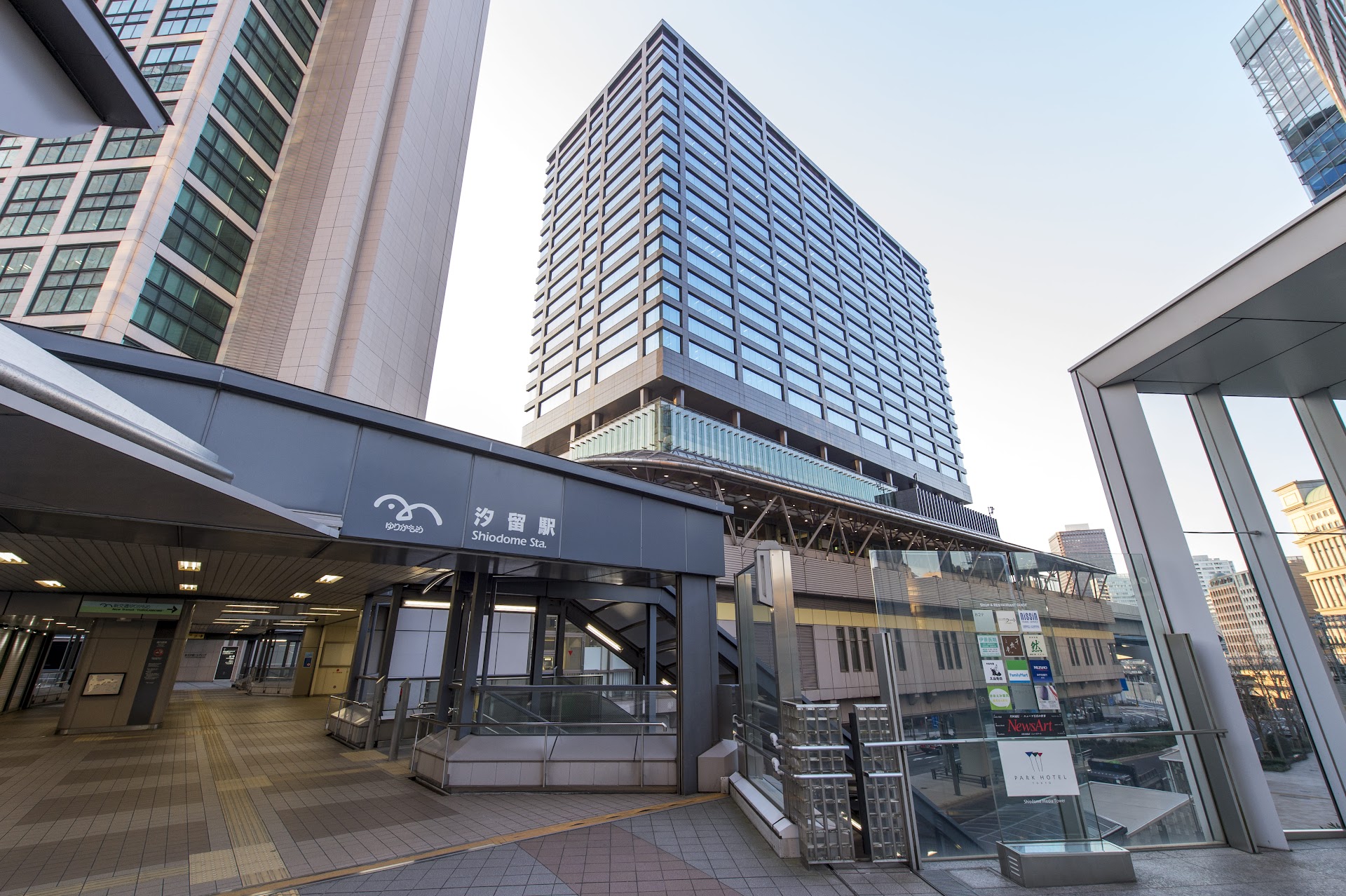 Millennium Mitsui Garden Hotel Tokyo / Ginza⭐ 5.0 · 8.9/10 (10,726) · $184 /night
 APA Hotel Ginza Shintomicho Ekimae Kita⭐ 3.5 · 8.4/10 (2,425) · $71 /night
Agoda affiliate link — clicks go to the price-comparison page.