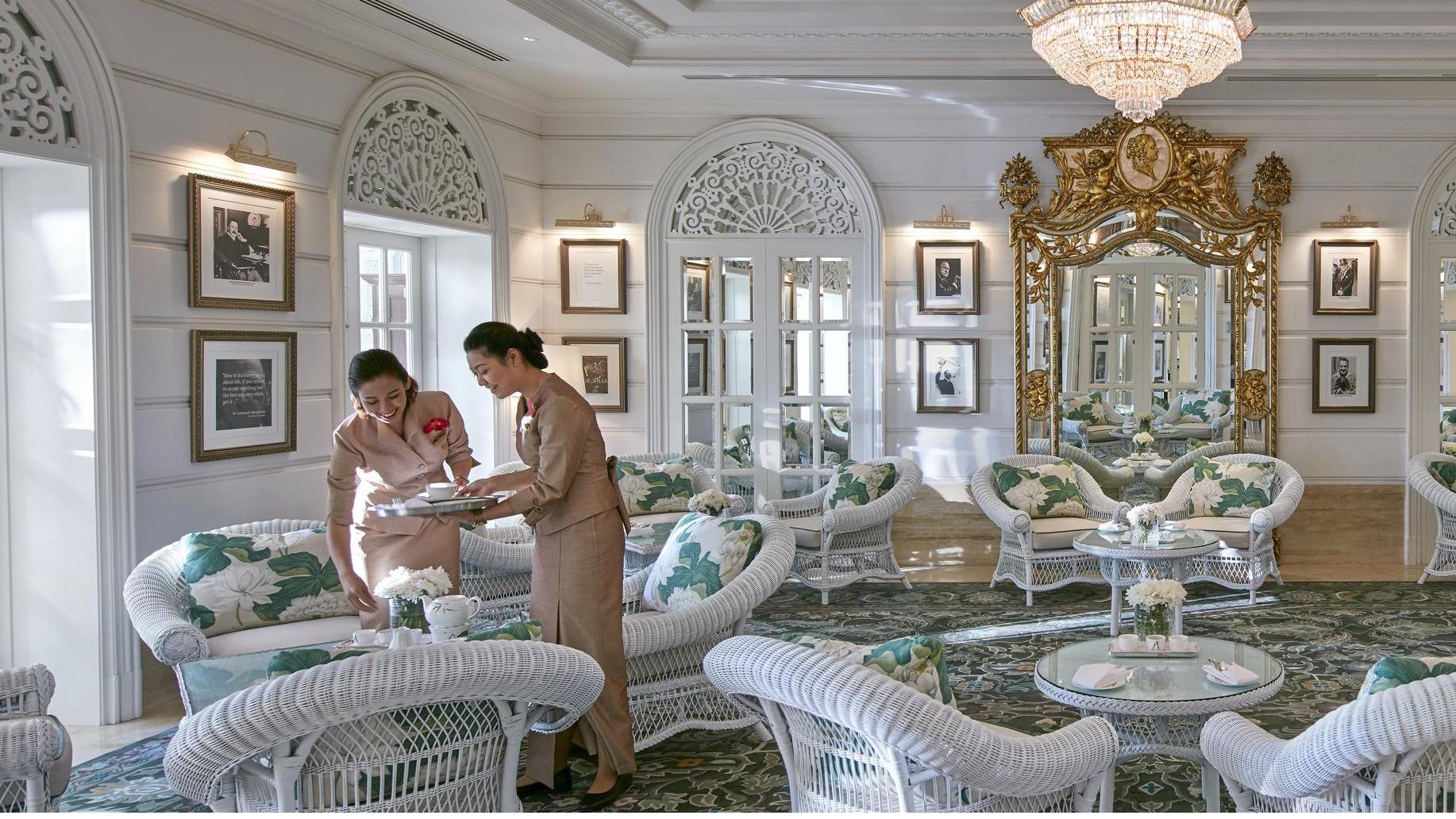
The Mandarin Oriental Bangkok has been receiving guests since 1876 — making it one of the oldest hotels in Southeast Asia — and yet the question every informed traveler asks before booking is still the same: does the legend actually hold up when the bill arrives? This deep dive moves through five distinct experiences at the property, measures what the rate buys in 2026, and tells you exactly where the value lands.
Best Timing
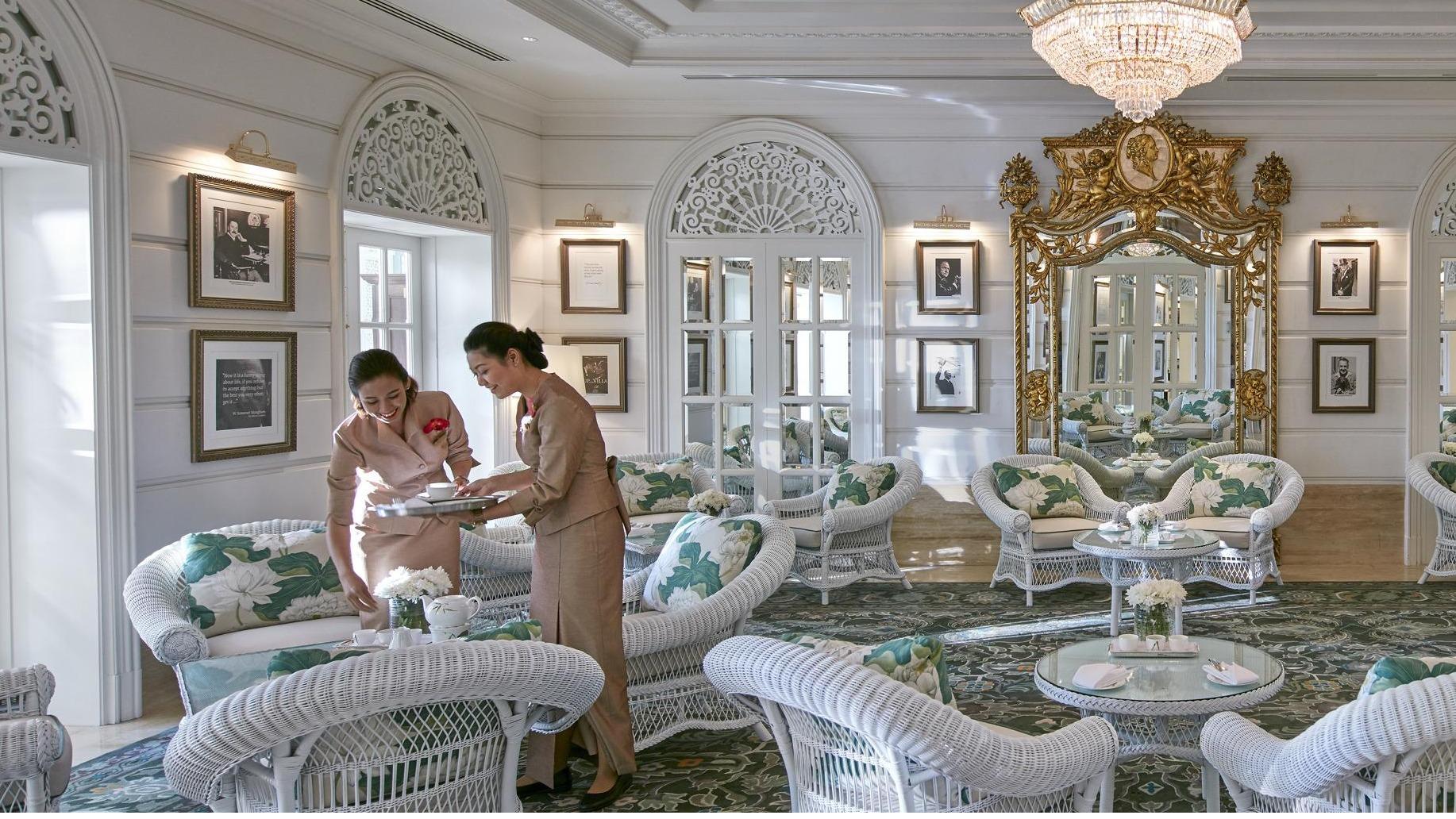
The optimal window for the Mandarin Oriental Bangkok is November through February, when humidity drops, skies stay clear, and the Chao Phraya river catches the light in long, copper-toned bands each morning. Temperatures hover around 26–30 °C — warm, but walkable. The breakfast terrace, in particular, is at its best between 07:00 and 08:30, before the riverside haze builds and the tour groups arrive. Avoid the April–May shoulder heat if you plan to spend time outdoors; the open terrace areas feel punishing by 09:00.
High season (December–January) means rooms book out six to eight weeks ahead and rates climb roughly 20–30% above rack. If shoulder pricing matters, early November and late February offer almost identical weather with meaningfully lower nightly costs.
Core Experiences
The Author’s Wing Rooms
The original colonial-era wing of the hotel — known as the Author’s Wing — is the architectural and emotional center of the property. Rooms here are named after the writers who stayed in them: Somerset Maugham, Joseph Conrad, Noël Coward. The bones of the building are genuinely 19th-century: teak floors, high ceilings, dark wood paneling, and louvered shutters that filter afternoon light into thin warm slats. The furniture reads as period-correct without feeling museum-stiff, and the bathrooms — while compact by modern luxury standards — are finished in marble that has aged into something a press photo can’t quite replicate. This is the wing that earns the hotel its reputation; it is also the wing most likely to show the small imperfections — a grouting gap, a slightly soft mattress — that remind you the building is 150 years old.
- 📍 Author’s Wing, Mandarin Oriental Bangkok, 48 Oriental Avenue, Bang Rak · 💰 From approx. USD 450–650/night (2026 rack) · ⏰ Check-in 15:00, Check-out 12:00 · ⭐ 4.7/5
- What locals know: Request a room on the third floor of the Author’s Wing specifically — the ceiling height is greatest there, and the corner rooms catch cross-ventilation that makes the space feel cooler than the air-conditioning number suggests.
The Chao Phraya Breakfast Terrace
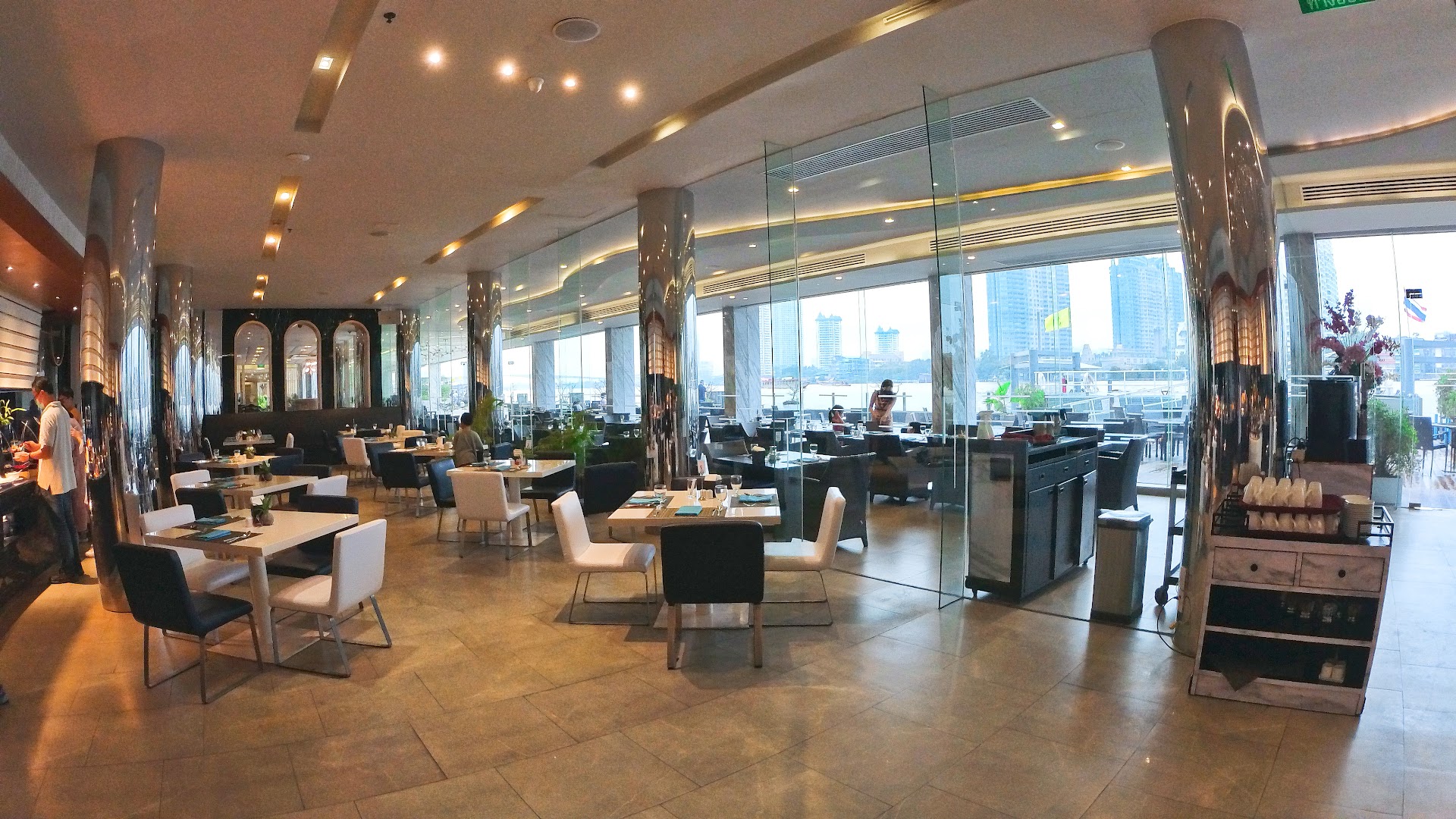
Breakfast at the Mandarin Oriental Bangkok is not a meal — it is a scheduled argument for why location still matters in hotel pricing. The terrace sits directly on the river, shaded by mature trees, with long-tail boats cutting white wakes across the brown water twenty meters in front of your eggs. The spread runs from Thai congee and fresh papaya to a Western station with competent eggs Benedict, but the reason to be here is the view and the hour: 07:00 to 09:00 on a weekday morning, when the river traffic is at its most cinematic and the other guests haven’t yet filled the riverside tables. The quality of the food is consistently good but not revelatory — this is a breakfast worth the rate precisely because of what it frames, not because the pastry is exceptional.
- 📍 Riverside Terrace, Mandarin Oriental Bangkok · 💰 Included for room guests; à la carte approx. THB 800–1,400 per person · ⏰ 06:30–10:30 daily · ⭐ 4.6/5
- What locals know: The terrace fills from the east end first. Walk to the far west corner tables — they’re shaded an hour longer and sit closest to the river’s edge, giving an unobstructed sightline downriver.
The Oriental Spa
The Oriental Spa occupies a separate teak house accessed via a short boat ride across a quiet canal — a design choice that functions as a transition ritual before the treatment even begins. Inside, the architecture is traditional Thai: low ceilings, warm wood, candlelight at the corridor corners. The signature treatment is the Oriental Harmony, a two-hour Thai herbal compress and massage combination that has been on the menu since the spa opened in the 1990s and remains, by most accounts, the benchmark against which Bangkok hotel spas are measured. Therapist skill levels are consistently high — this is a staffed-for-reputation operation, not a volume business. The price is significant (see below), and the spa is genuinely worth budgeting for if wellness is part of the stay.
- 📍 Oriental Spa, accessed by hotel ferry from main lobby landing · 💰 Oriental Harmony: approx. THB 7,500–9,500 (2 hrs) · ⏰ 09:00–21:00 daily · ⭐ 4.8/5
- What locals know: Book the first slot of the day (09:00) or the last (19:00) — midday slots can feel slightly rushed during peak season. Advance booking of at least 72 hours is essential December through January.
The Bamboo Bar
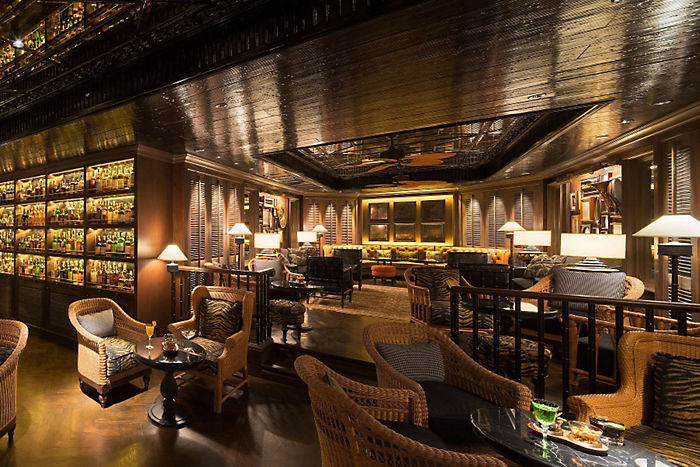
Open since 1953, the Bamboo Bar is the hotel’s jazz lounge and the most reliably atmospheric room on the property after dark. The interior design — rattan chairs, low lighting, dark lacquered surfaces, a small stage — has been carefully maintained to feel like a 1950s colonial club without tipping into pastiche. Live jazz runs Tuesday through Saturday from 20:00, and the musicians booked here consistently land above the average hotel bar standard. The cocktail list is Thai-inflected: lemongrass gimlets, tamarind sours, and a house Old Fashioned finished with palm sugar that works better than it sounds on paper. It is, notably, one of the few rooms in the hotel where the atmosphere benefits from the age of the building rather than straining against it.
- 📍 Bamboo Bar, ground floor, River Wing, Mandarin Oriental Bangkok · 💰 Cocktails THB 550–900; no cover charge · ⏰ 17:00–01:00 Mon–Sat, 17:00–midnight Sun · ⭐ 4.5/5
- What locals know: Arrive by 19:30 on Friday or Saturday to secure a table near the stage. By 21:00 it fills entirely, and the bar’s reputation draws Bangkok residents — not just hotel guests — which keeps the room energetically honest.
The 10-Minute Walk: Charoenkrung Road
Step out of the hotel’s main gate onto Charoenkrung Road and the editorial distance between the Mandarin Oriental and the actual city of Bangkok collapses immediately. This is the oldest paved road in Thailand (1861), and in the stretch between the hotel and the TCDC (Thailand Creative & Design Center) — roughly a 10-minute walk north — the streetscape is a working cross-section of old Bangkok: Chinese shophouses, local noodle stalls, incense smoke from a streetside shrine, a print shop that has occupied the same building for four decades. This walk is not a curated attraction; it is the city as it operates at ground level, and it is the single most effective way to calibrate what the hotel’s rate buys versus what the neighborhood surrounding it offers for a fraction of the cost.
- 📍 Charoenkrung Road, Bang Rak District, Bangkok · 💰 Free to walk; street food from THB 50–120 · ⏰ Most active 07:00–12:00 and 17:00–21:00 · ⭐ 4.4/5
- What locals know: The noodle shop directly opposite the Wat Muang Kae alley entrance — no English sign, red plastic stools — serves a boat noodle broth that Bangkok food writers have been quietly recommending since 2019. Order the small bowl (THB 60) twice rather than one large serving.
Recommended Route
This itinerary is designed for a guest staying one night in the Author’s Wing and treating the hotel as the anchor of a full Bangkok day.
06:45 — Coffee in the room before the terrace opens. Author’s Wing rooms have in-room Nespresso; use it.
07:00 — Arrive at the Chao Phraya Breakfast Terrace at opening. Take the far west corner table. Allow 75 minutes; do not rush it.
08:45 — Walk out the main gate onto Charoenkrung Road. Head north for 10 minutes. Stop at the shrine on the left. Continue to TCDC or turn back at the 15-minute mark depending on heat.
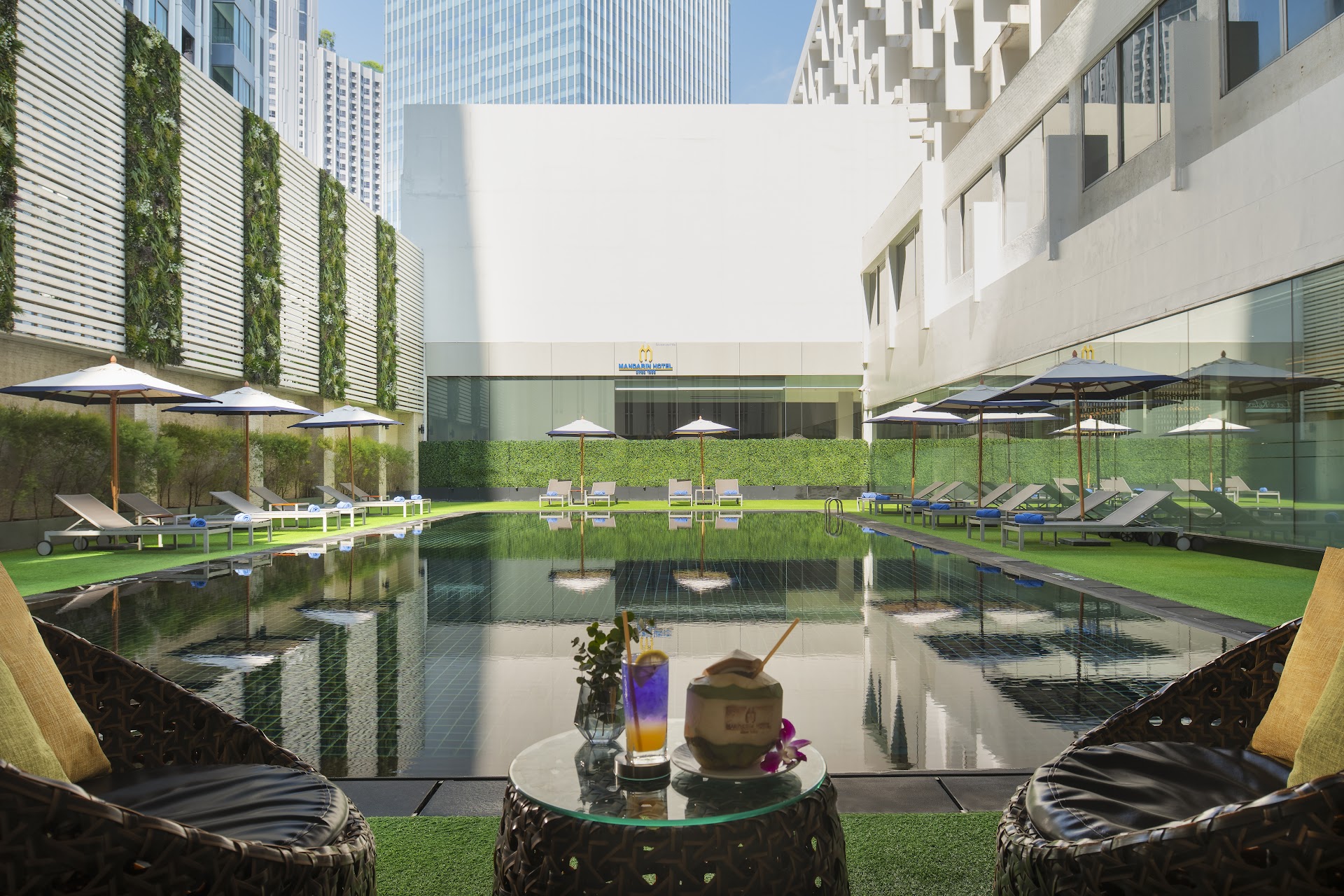
10:00 — Return to the hotel. Pool or room until the midday heat breaks.
13:00 — Light lunch at the hotel’s riverside restaurant (budget THB 600–900 per person).
14:30 — Hotel ferry to the Oriental Spa. Allow 15 minutes of transition before your treatment slot.
15:00 — Oriental Harmony treatment (2 hours).
17:30 — Return by ferry. Freshen up.
19:30 — Bamboo Bar. Secure a stage-adjacent table before the room fills.
21:30 — Dinner off-property in Charoenkrung or Silom — the hotel’s dinner options are competent but priced at a premium that the surrounding neighborhood does not require you to pay.
Budget · Transport · Booking
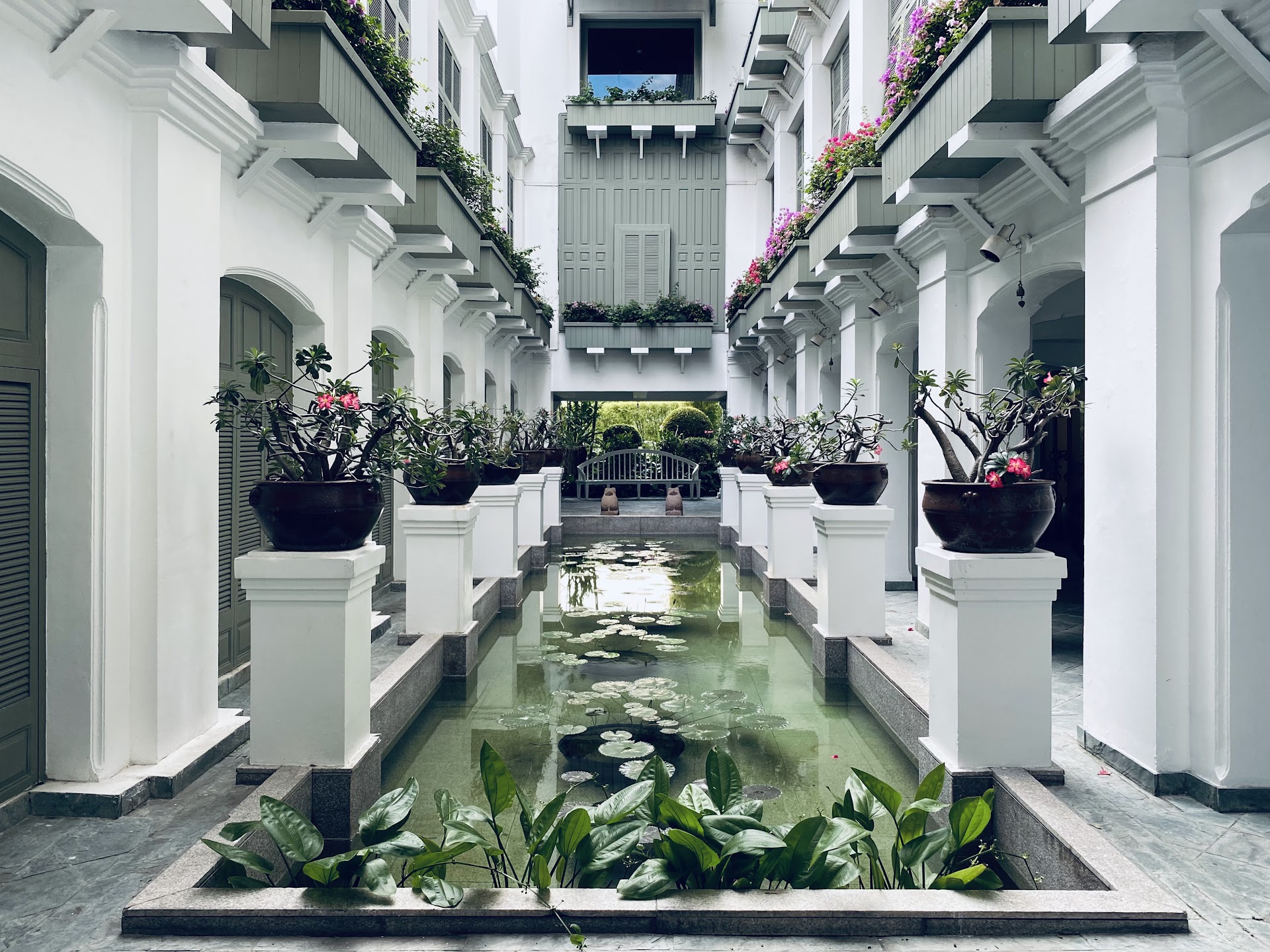
Accommodation: Author’s Wing rooms from approximately USD 450–650/night depending on season and room category. Garden Wing rooms (newer building, less character) run USD 320–480. The rate gap between wings is meaningful and, for most travelers here for the legacy experience, worth it.
Breakfast: Included in some room packages; standalone THB 800–1,400. Confirm at booking — some 2026 packages bundle it, others do not.
Spa: Oriental Harmony treatment THB 7,500–9,500. Budget roughly USD 220–280 including tip (THB 200–300 is standard).
Bamboo Bar: Allow THB 1,500–2,500 for two people over two rounds.
Charoenkrung street food: THB 150–300 for a full street meal per person.
Transport to hotel: The hotel runs its own express boat from Sathorn/Central Pier (free for guests, 10 minutes). Grab from Suvarnabhumi Airport is approximately THB 350–500 by expressway. The BTS Skytrain to Saphan Taksin station + hotel boat is the fastest and most practical option from most Bangkok hotel districts.
Advance booking: Spa treatments require 72 hours minimum in peak season; 48 hours is usually sufficient November and February. Room reservations in December–January should be made 6–8 weeks ahead at minimum. Bamboo Bar does not take reservations — it operates first-come, first-served.
Realistic full-day spend (excluding accommodation): USD 350–450 covering breakfast, spa, Bamboo Bar, and incidentals.
Must-Know Tips
- 🕐 Check-in time is 15:00 firm in peak season — early check-in is not guaranteed. Store luggage at the bell desk and go directly to the terrace or spa rather than waiting in the lobby.
- 👗 Dress code at the Bamboo Bar is smart casual — no shorts, no sandals after 19:00. The rest of the hotel is more relaxed, but the bar is enforced.
- 💵 Pay spa gratuities in cash (Thai baht) — the spa does not add service charge automatically, and cash tips reach the therapist directly.
- 📸 Photography in the Author’s Wing corridor is permitted for guests; flash photography in the Bamboo Bar during live performance is not. The spa prohibits all photography inside treatment areas.
- 🌡️ River humidity is higher than city-center Bangkok — even in dry season, mornings on the terrace can feel thick by 09:30. The hotel’s indoor public spaces are aggressively air-conditioned; bring a light layer.
- 🚤 The hotel ferry from Sathorn Pier runs every 30 minutes from approximately 07:00–22:00. Outside those hours, use Grab to the main hotel gate on Oriental Avenue — it is a different address from the pier entrance and can confuse ride-share GPS.
Closing
The Mandarin Oriental Bangkok in 2026 is not the best hotel in Bangkok by most modern metrics — newer properties in Chao Phraya and the city center offer larger rooms, sharper design, and more current amenities at comparable rates. What it offers instead is something harder to manufacture: a building that has absorbed 150 years of the city’s texture, a breakfast terrace that frames the river at a specific quality of morning light, and a jazz bar that has been running long enough to know what it is. The rate is real and the age shows in places — but for the guest who books the Author’s Wing specifically, arrives early enough to own the terrace, and treats the Bamboo Bar as the evening’s destination rather than an afterthought, the arithmetic still works.
The actionable takeaway: Book the Author’s Wing third floor, pre-book the Oriental Harmony spa treatment when you confirm your room, and build your entire day around the 07:00 breakfast terrace. Everything else — the walk on Charoenkrung, the evening at the Bamboo Bar — follows naturally from those three fixed points.
🏨 Where to Stay
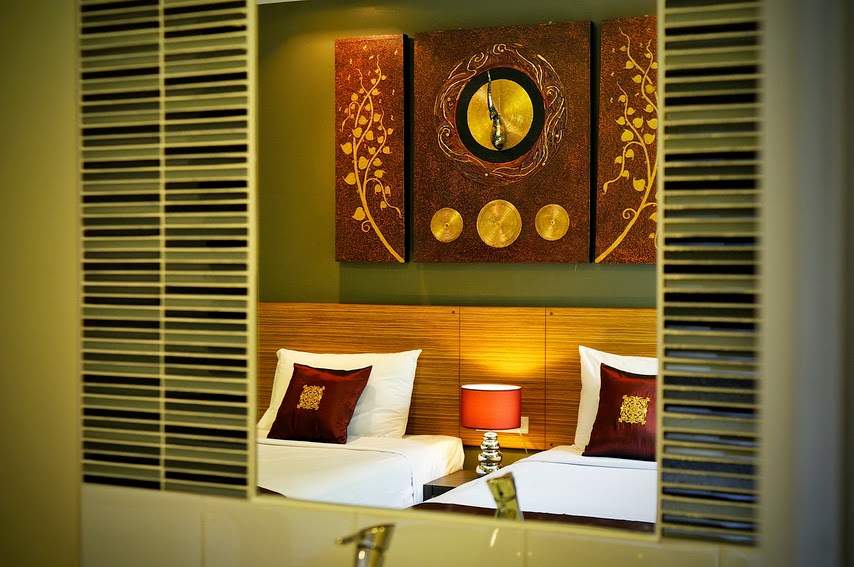 Sleep Withinn Hotel⭐ 3.5 · 7.7/10 (3,021) · $25 /night
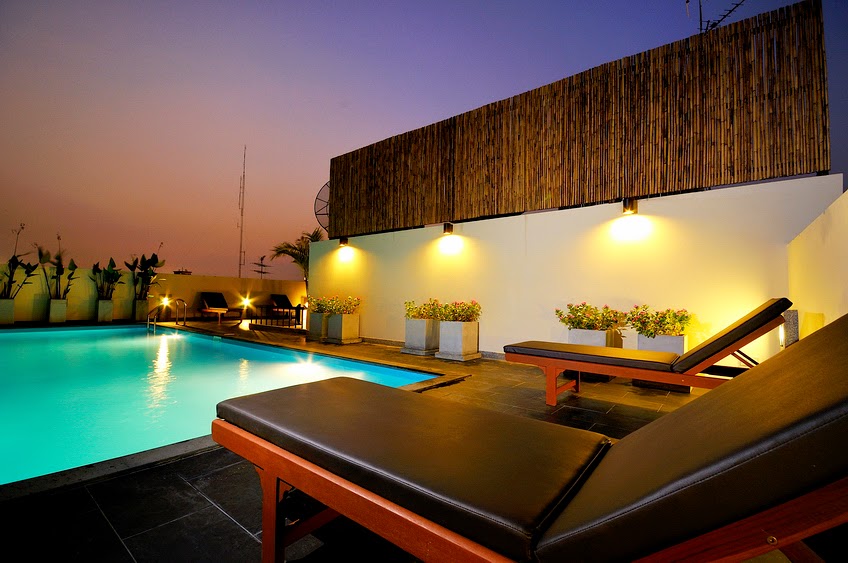 Rambuttri Village Hotel⭐ 3.0 · 8.0/10 (23,847) · $28 /night
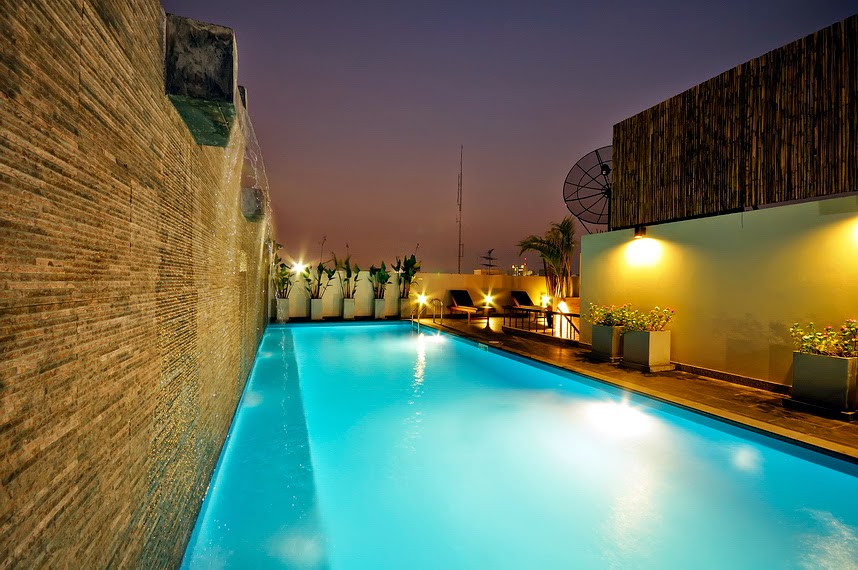 Khaosan Palace Hotel⭐ 3.5 · 7.6/10 (8,230) · $19 /night
Agoda affiliate link — clicks go to the price-comparison page.