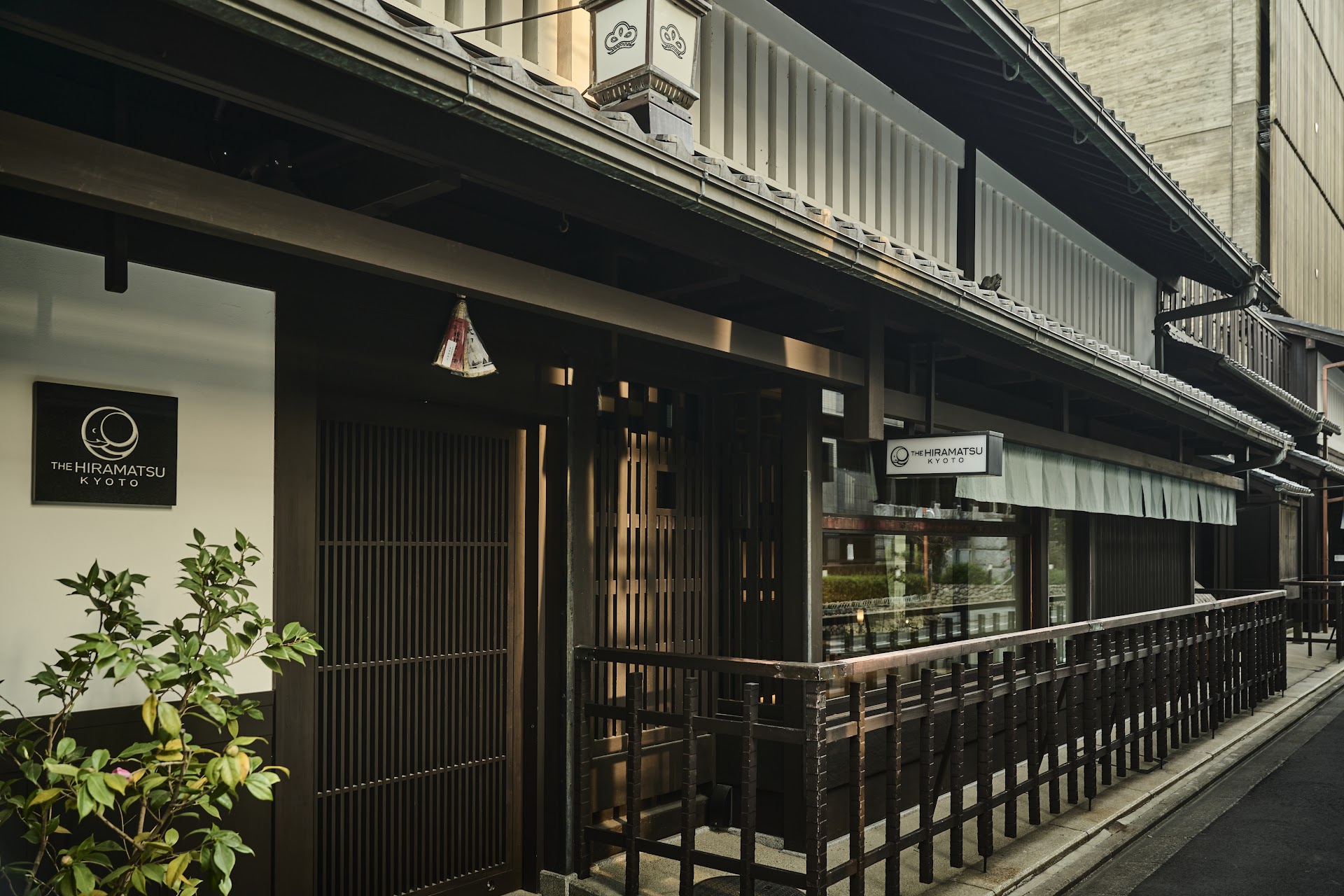
The Hiramatsu Kyoto asks a quiet but serious question: what does ¥120,000 per night actually buy you, past the brochure? Tucked along the Okazaki canal in the Higashiyama foothills, this ryokan-meets-maison property is one of Kyoto’s most discreetly celebrated addresses — and it earns that reputation in the details, not the drama.
Best Timing
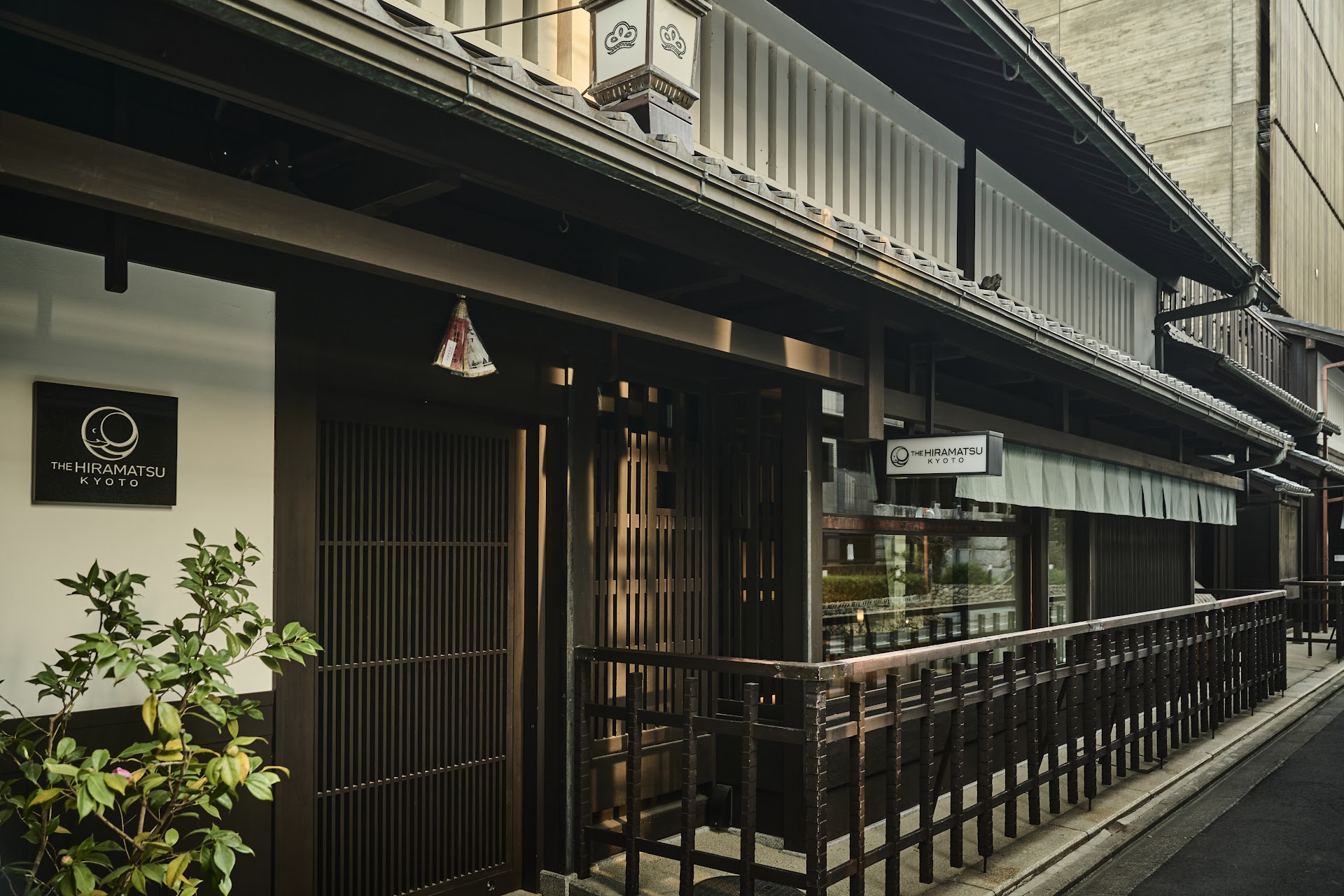
The Hiramatsu Kyoto rewards guests who arrive in mid-March to mid-April (cherry blossoms line the Okazaki canal within a five-minute walk) or in early November, when the maple canopy above Nanzenji burns copper and the air turns cold enough to make morning kaiseki feel necessary rather than indulgent. Summer — July and August — is hot and humid, and the surrounding Okazaki neighborhood fills with tour groups by 9 a.m. If a summer stay is unavoidable, the property’s air-conditioned dining room and shaded inner courtyard absorb the heat well.
Within any given day, the property is designed for the 6:30–9:30 a.m. window. That is when the light through the shoji screens is at its softest, when the canal outside is still empty, and when the breakfast service moves at the unhurried pace that justifies the rate. Check-in at 3 p.m. and checkout at noon give you the full arc.
Core Experiences
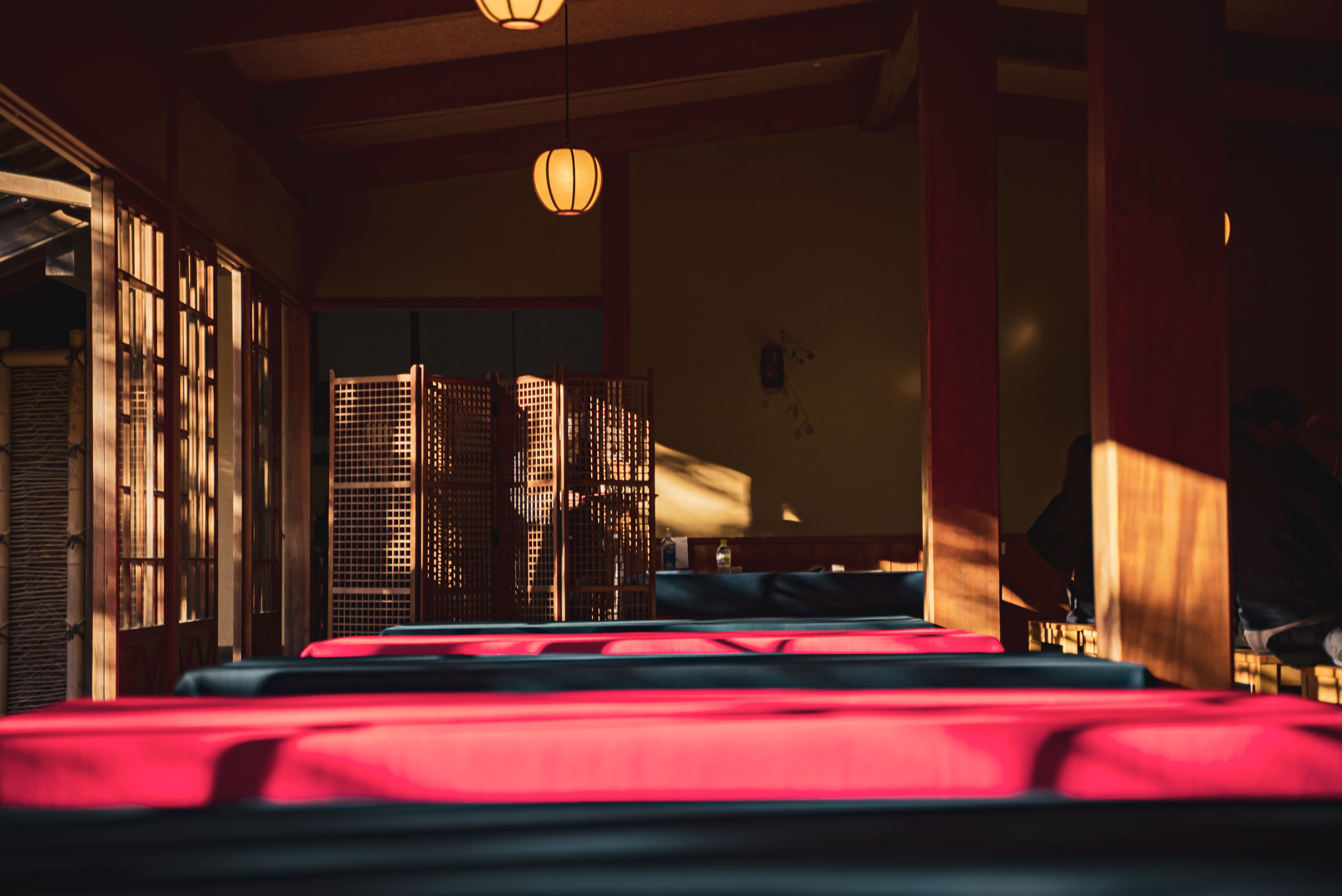
The Hiramatsu Kyoto Guest Room
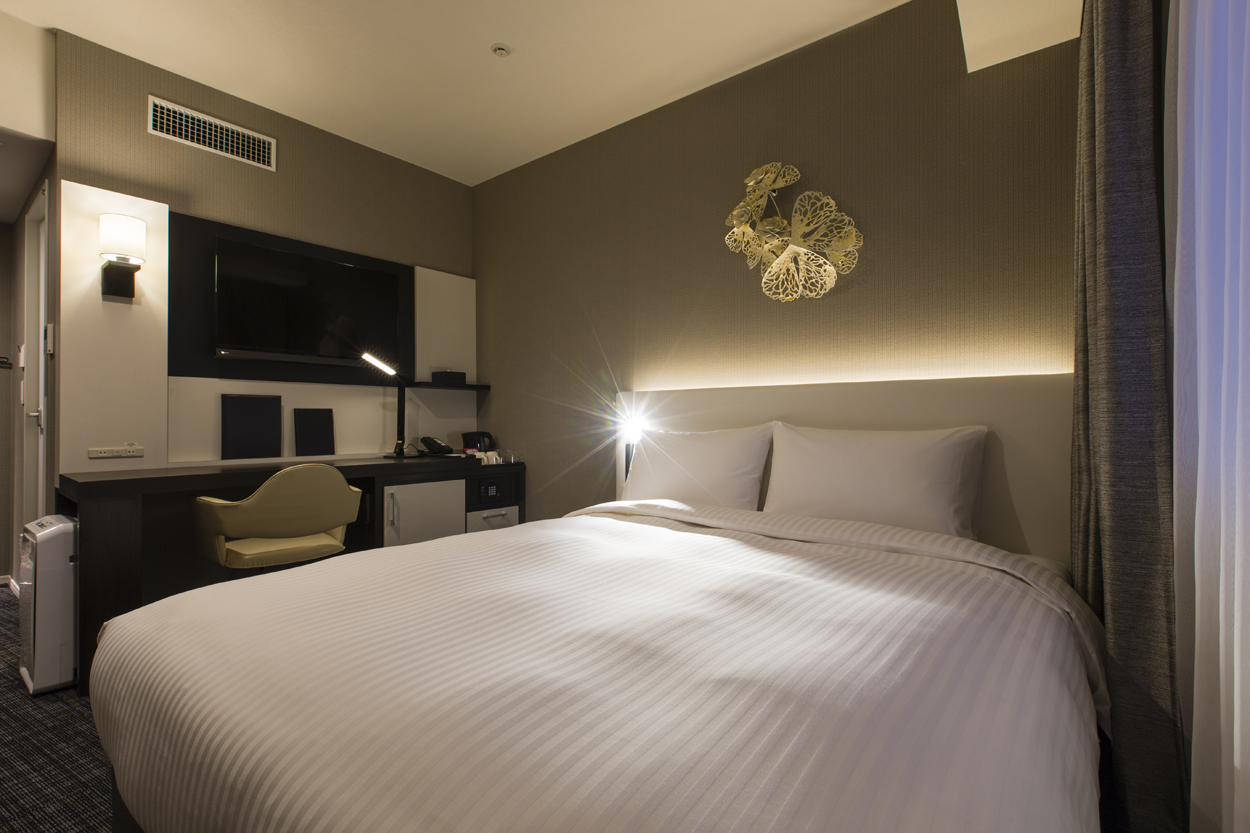
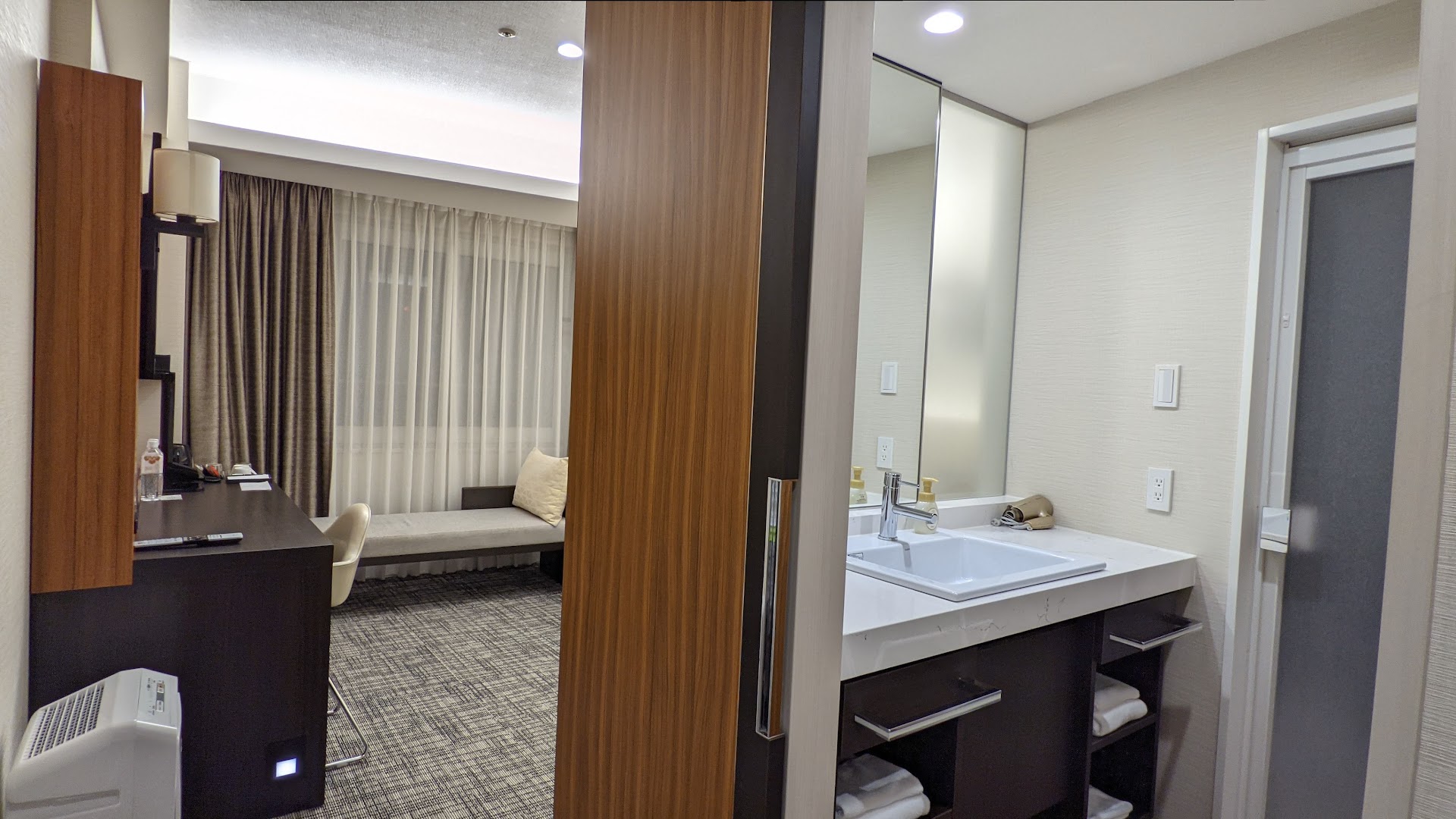
The rooms at The Hiramatsu Kyoto are not large by international luxury standards — that is the first honest thing to say. What they offer instead is a studied proportionality: low furniture, a deep hinoki wood soaking tub set beside a frosted window, and enough negative space that the room reads as a composed still life rather than a furnished box. The tatami-floored suites average around 50–65 square meters, with a day-bed alcove that faces the inner garden. The bedding is heavier than expected, the yukata finer than the average ryokan. Every surface that could be wood is wood; every textile that could be linen is linen. At ¥120,000 per room per night (two guests, breakfast included), you are paying for restraint as much as for luxury.
- 📍 1 Okazaki Nishitennocho, Sakyo-ku, Kyoto · 💰 ¥120,000–¥180,000/night (breakfast included) · ⏰ Check-in 15:00, checkout 12:00 · ⭐ 4.8
- What locals know: Request a room on the canal-facing side — the north-facing rooms overlook the service lane and lose the property’s best asset.
Morning Kaiseki Breakfast at the Dining Room
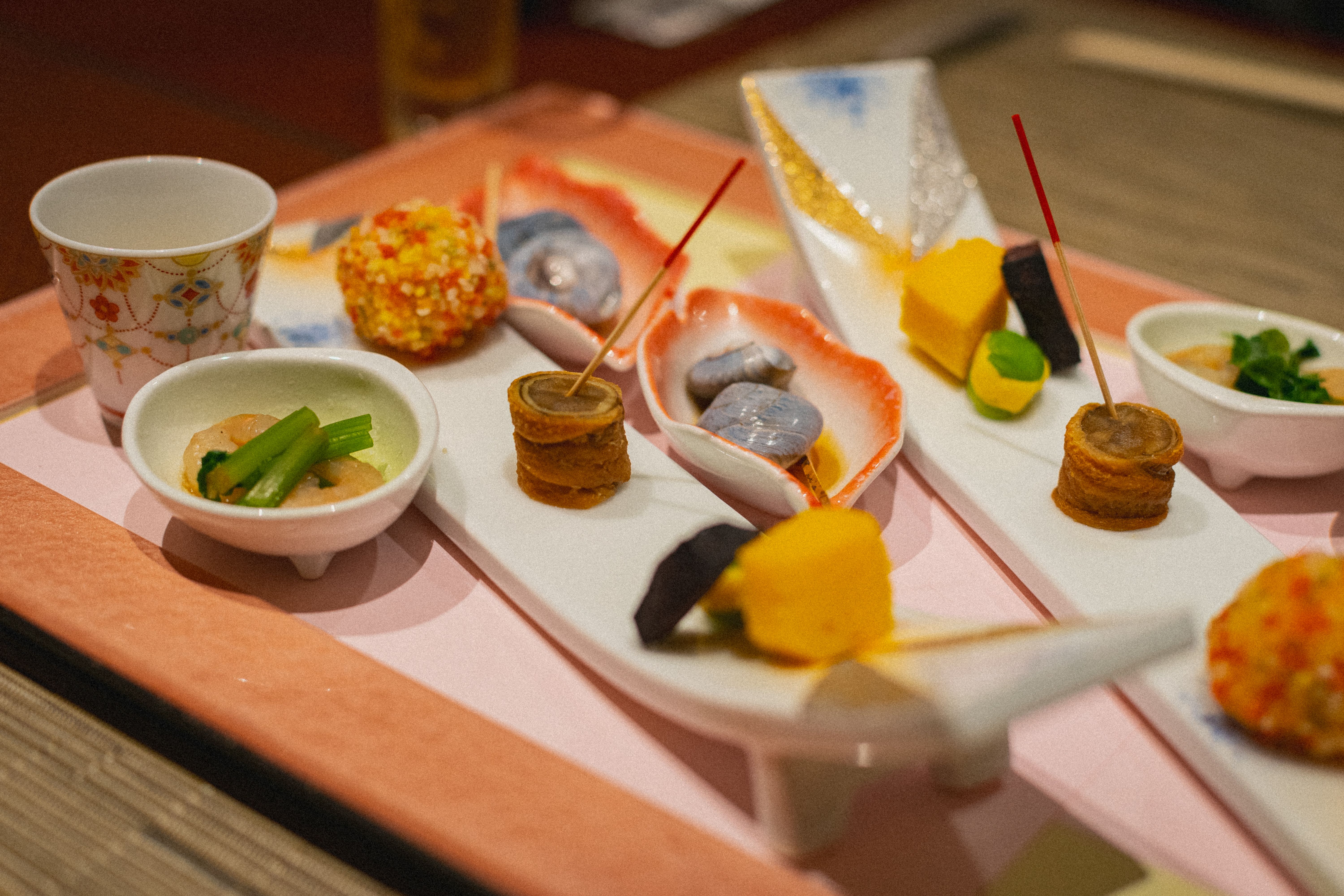
The breakfast at The Hiramatsu is a 12-course kaiseki sequence served between 7:30 and 9:30 a.m., and it is the single strongest argument for the room rate. It begins with dashi broth and a lacquered box of pickled seasonal vegetables, moves through grilled himono (dried fish), house-made tofu with ponzu, a soft-cooked egg in bonito broth, and closes with white rice — Kyoto-grown Koshihikari — steamed in a ceramic pot tableside. Each dish is served on Kiyomizu-yaki pottery chosen to match the season. In April, the plates are pale celadon. In November, deep iron-red. The dining room itself is glass-walled on one side, looking onto the courtyard maple, and completely silent except for the ceramic clink of placement.
- 📍 In-house dining room, ground floor · 💰 Included with room rate (standalone breakfast reservations not accepted) · ⏰ 07:30–09:30 · ⭐ 4.9
- What locals know: The tofu course is made from soybeans sourced from a Fushimi supplier — ask your server for the name if you want to find it independently at Nishiki Market.
Okazaki Canal Morning Walk
Step outside the front door of The Hiramatsu and you are standing beside the Okazaki Canal — a 1.5-kilometer stretch of water that connects the Lake Biwa aqueduct system to the Heian Shrine ponds. In cherry blossom season, the canal banks become one of Kyoto’s most photographed corridors; on an ordinary Tuesday at 7 a.m. in October, they are nearly empty. The walk south toward the Nanzenji aqueduct takes about 12 minutes on foot and passes the backside of the Kyoto Municipal Museum of Art, which is largely ignored by tourists at that hour. This is the 10-minute walk outside the front door that reveals what the hotel’s neighborhood actually is: a cultured, low-traffic pocket of the city where residents cycle to work alongside visiting academics and the occasional monk from Nanzenji.
- 📍 Okazaki Canal, Sakyo-ku — starts directly outside The Hiramatsu front entrance · 💰 Free · ⏰ Accessible 24 hours; best 06:30–08:30 · ⭐ 4.7
- What locals know: The canal path is unlit and uneven past 8 p.m. — the morning window is both safer and more atmospheric.
Nanzenji Temple and Aqueduct
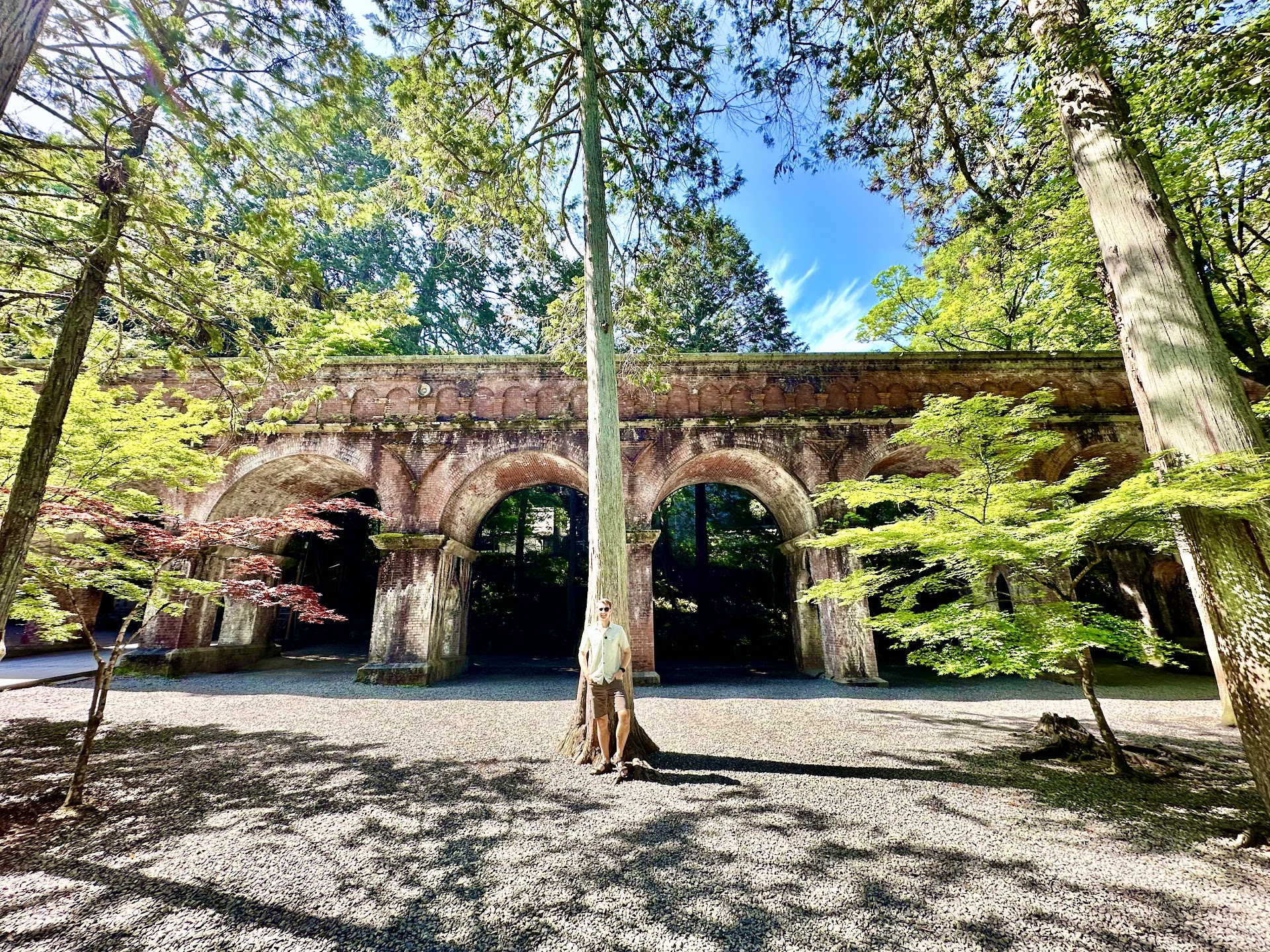
Nanzenji is a 13th-century Rinzai Zen complex roughly 15 minutes on foot from The Hiramatsu, and it operates on a scale that surprises first-time visitors: the sanmon gate stands nearly 22 meters tall, and the sub-temples fan outward across several forested hectares. The famous Roman-style brick aqueduct — part of the Meiji-era Lake Biwa Canal — runs straight through the temple grounds, an anachronism so striking that it has become the site’s most-photographed element. Early morning entry (the outer grounds are free and accessible from 6 a.m.) means the stone paths between the sub-temples are yours almost entirely. The formal garden of Nanzenji’s hojo (abbot’s quarters) opens at 8:40 a.m. and costs ¥600.
- 📍 Nanzenji Fukuchi-cho, Sakyo-ku, Kyoto · 💰 Outer grounds free; hojo garden ¥600 · ⏰ Hojo: 08:40–17:00 (Dec–Feb until 16:30) · ⭐ 4.8
- What locals know: The sub-temple Tenjuan has a garden that rivals the hojo at a fraction of the visitor volume — ¥500 entry, almost never crowded before 9 a.m.
Heian Shrine and Okazaki Park
At the northern end of the Okazaki district, a 40-meter-tall torii gate announces the Heian Shrine from three blocks away — it is one of the largest vermillion torii in Japan and a useful landmark for orienting yourself within the neighborhood. The shrine itself was built in 1895 to commemorate Kyoto’s 1,100th anniversary and reconstructed to evoke the original Imperial Palace at reduced scale. The inner shin’en garden (¥600) is particularly worth the entry in late April, when late-blooming weeping cherries over the pond create the most deliberate floral staging in the city. The surrounding Okazaki Park hosts the Kyoto Municipal Zoo, the National Museum of Modern Art, and the Rohm Theatre — a cultural density unusual even for Kyoto.
- 📍 Okazaki Nishitennocho 97, Sakyo-ku, Kyoto · 💰 Shrine precincts free; shin’en garden ¥600 · ⏰ Garden open 08:30–17:30 (seasonal variation) · ⭐ 4.6
- What locals know: The shrine’s large open forecourt is used by local joggers at 6:30 a.m. — arriving then means photographing the torii without a single tourist in frame.
Recommended Route
This is a half-day arc that uses The Hiramatsu as a base and returns guests to the property in time for a late checkout.
- 06:30 — Wake, open the shoji screen, note the canal light. This is the view the room rate is paying for.
- 07:00 — Short walk south along the Okazaki Canal (12 min), canal to Nanzenji.
- 07:15 — Enter Nanzenji outer grounds (free). Walk the stone path toward the aqueduct. Photograph the brick arches with no crowds. Loop through the cedar grove.
- 08:40 — Nanzenji hojo garden opens. Allow 25–30 minutes for the gravel garden and the pond circuit.
- 09:15 — Walk north along the canal (18 min) to the Heian Shrine torii.
- 09:30 — Heian Shrine forecourt. Optional: shin’en garden (¥600, 20 min).
- 10:00 — Return to The Hiramatsu (8 min walk) for the kaiseki breakfast service, which runs until 09:30 — so reverse this route if breakfast is the priority: eat first (07:30), walk after (09:30).
- 11:00 — In-room hinoki bath, pack. Checkout at noon.
Budget · Transport · Booking
Room rate: ¥120,000–¥180,000 per night for two guests, breakfast included. No resort fee. Service is included in the Japanese ryokan tradition — tipping is neither expected nor appropriate.
Getting there: From Kyoto Station, take the Tozai subway line to Higashiyama Station (13 min, ¥260) and walk 12 minutes northeast. Alternatively, a taxi from Kyoto Station runs approximately ¥1,800–¥2,200 and takes 20–25 minutes depending on traffic on Marutamachi-dori. No parking for personal vehicles is available at the property.
Nearby costs:
- 🍴 Nanzenji hojo garden: ¥600
- 🍴 Tenjuan sub-temple: ¥500
- 🍴 Heian Shrine shin’en garden: ¥600
- 🚇 Subway (roundtrip from central Kyoto): ¥520
- Total half-day add-ons: ¥2,220 per person (excluding room rate)
Booking: The Hiramatsu Kyoto accepts reservations through their official site, Relais & Châteaux (they are a member property), and select OTAs. Book at minimum 2–3 months in advance for spring (late March–mid April) and autumn (late October–mid November). Same-season weekends can sell out 4–6 months ahead. Cancellation policy is strict — 7 days prior for full charge during peak season.
Must-Know Tips
- 🛁 The hinoki bath is the room’s quiet centerpiece — the soaking tub fills via a slow-running hot spring-adjacent feed. Allow 20 minutes for it to reach temperature. Use it in the evening after dinner, not only in the morning.
- 💰 Dinner is optional and separately priced — the kaiseki dinner menu runs ¥25,000–¥35,000 per person. It is excellent, but guests should know it is additive to the room rate, which covers breakfast only.
- 📸 Photography in the dining room is low-key tolerated, not encouraged — the plates are worth documenting, but use a phone rather than a camera with a click shutter. Other guests will thank you.
- 💳 The Hiramatsu accepts major credit cards (Visa, Mastercard, Amex) — cash is not required, though having ¥5,000–¥10,000 on hand for temple gardens and the subway is practical.
- 👘 The yukata (cotton robe) provided is for in-room and corridor use only — walking to the breakfast dining room in yukata is expected and appropriate. Walking outside the property gate is not.
- 🗣️ English service is confident at the front desk and dining room — the concierge team can arrange taxi bookings, temple reservations, and dinner recommendations in the surrounding Okazaki neighborhood without language friction.
Closing
The Hiramatsu Kyoto is not trying to impress on arrival. There is no waterfall in the lobby, no theatrical welcome ceremony. What it offers instead is a calibrated quietness — the kind that compounds over 16 hours: the weight of the bedding at midnight, the steam from the hinoki bath at 6 a.m., the particular silence of a kaiseki breakfast at 8 a.m. when the canal outside is silver and the celadon plate arrives without ceremony. Whether the rate holds up depends entirely on whether you value that accumulation of small, considered things. If you do, it holds up well.
Actionable takeaway: Book the north-garden suite, request the canal-facing room, eat breakfast before you leave the property, and walk to Nanzenji while the stone paths are still empty. The ¥120,000 is in those four hours, not in the thread count.
🏨 Where to Stay
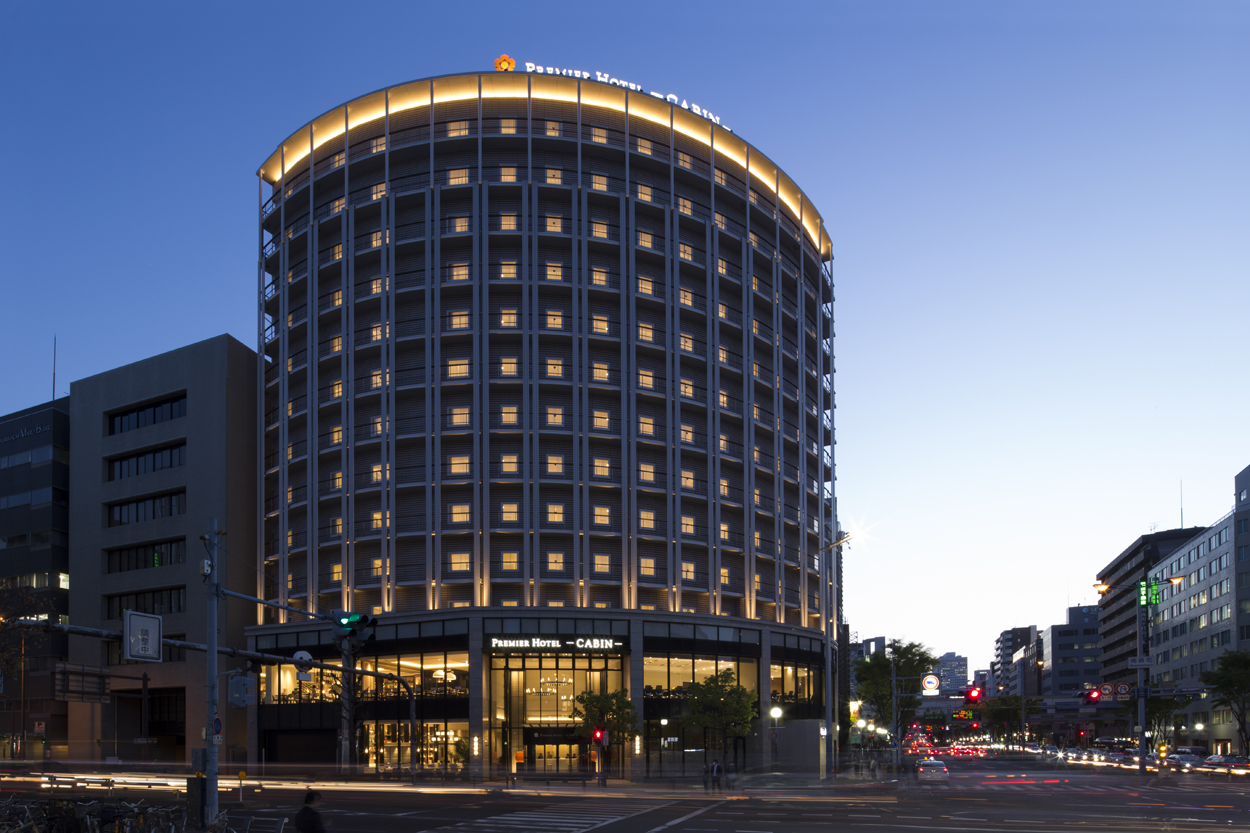
 Premier Hotel CABIN PRESIDENT Osaka⭐ 4.0 · 9.0/10 (8,963) · $60 /night
 Hotel Keihan Tenmabashi Ekimae⭐ 4.0 · 8.0/10 (695) · $74 /night
 APA Hotel Osaka-Temma⭐ 3.5 · 8.0/10 (3,825) · $41 /night
Agoda affiliate link — clicks go to the price-comparison page.