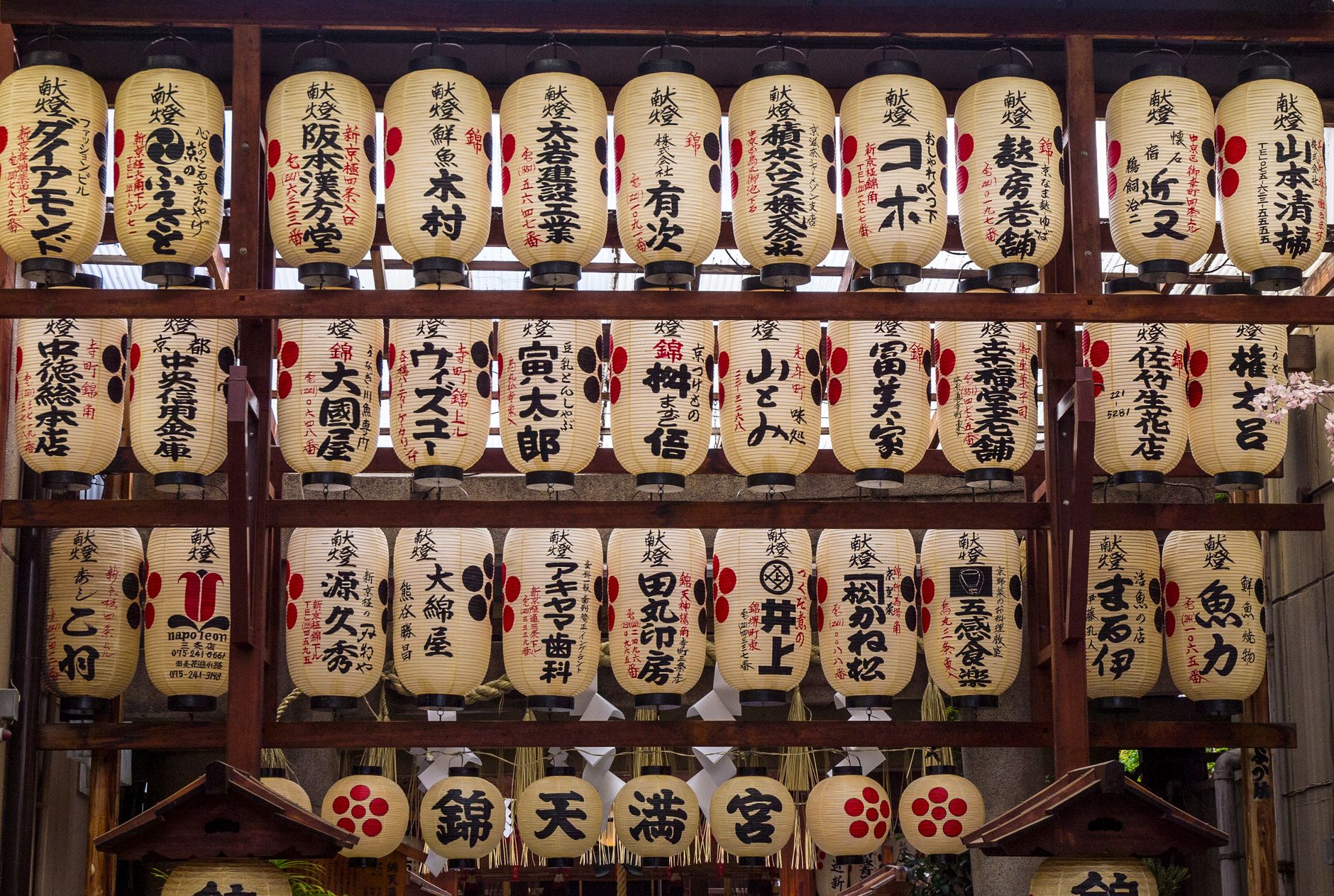
Kyoto, Japan, a city steeped in tradition and serene beauty, holds a culinary heart that beats strongest within the bustling confines of Nishiki Market. Affectionately known as ‘Kyoto’s Kitchen,’ this centuries-old covered arcade is a labyrinth of sensory delights, where local purveyors have perfected their crafts over generations. While many tourists flock to its main thoroughfares, true gastronomic treasures often hide in plain sight or require a keen eye to discover. This guide unveils the ten bites you never knew existed, offering a deeper dive into the market’s authentic flavors and providing a map to unlock its best-kept secrets.
Best Timing
The optimal time to explore Nishiki Market is generally on a weekday morning, ideally between 9:00 AM and 11:00 AM. Arriving early allows you to experience the market as it truly awakens, with stall owners meticulously arranging their produce and preparing fresh batches of food. By mid-morning, the market begins to buzz with locals doing their daily shopping, offering an authentic glimpse into Kyoto life. Weekends and national holidays see significantly larger crowds, making navigation and leisurely browsing more challenging. Visiting outside peak hours also provides cooler temperatures and a more relaxed atmosphere, enhancing the overall tasting experience.
Core Experiences
Fresh Yuba Skewers
Nestled among the vibrant stalls, you’ll find specialized tofu shops dedicated to the delicate art of yuba, or fresh tofu skin. These often overlooked gems offer freshly made yuba, served plain or lightly seasoned on a skewer. The texture is incredibly subtle, almost ethereal, with a faint creaminess that speaks to its purity. It’s a testament to Kyoto’s refined culinary approach, showcasing how simple ingredients can be transformed into exquisite delights.
- 📍 Nishiki Market, west end near Sakaimachi Street · 💰 ¥300-500/skewer · ⏰ 10:00-17:00 · ⭐ 4.5
- What locals know: Seek out shops that make yuba fresh daily on-site; the difference in texture and flavor is remarkable.
Dashi Maki Tamago
Follow the inviting aroma to stalls specializing in Dashi Maki Tamago, the fluffy, dashi-infused rolled omelet. This isn’t just any omelet; it’s a culinary masterpiece, perfectly balanced between savory dashi broth and a hint of sweetness. Watching the chefs skillfully roll layers of egg in a rectangular pan is an experience in itself, culminating in a warm, moist, and utterly comforting bite that epitomizes Japanese home cooking.
- 📍 Nishiki Market, various stalls, notably near Teramachi Street · 💰 ¥200-400/portion · ⏰ 8:00-18:00 · ⭐ 4.8
- What locals know: Often considered a perfect breakfast or light snack, best enjoyed while still warm from the griddle.
Kyoto Tsukemono: Senmai-zuke
Deep within the market, dedicated tsukemono (Japanese pickled vegetable) shops showcase an astonishing array of seasonal pickles. Among them, look for Senmai-zuke, a winter-time Kyoto specialty made from thinly sliced turnip pickled in a sweet and sour brine with kombu and chili. Its elegant presentation and delicate crunch offer a refreshing counterpoint to the market’s richer flavors, providing a glimpse into Kyoto’s refined appreciation for seasonal ingredients.
- 📍 Nishiki Market, center section · 💰 ¥500-800/portion · ⏰ 9:00-17:00 · ⭐ 4.7
- What locals know: Many shops offer free samples; don’t hesitate to try different varieties to find your favorite before purchasing.
Matcha Warabi Mochi
Escape the savory delights for a moment and seek out a traditional sweets shop offering Matcha Warabi Mochi. These soft, jelly-like dumplings made from bracken starch are dusted generously with bitter matcha powder, offering a delightful contrast to their subtle sweetness. It’s a refreshing, chewy, and quintessentially Japanese dessert that provides a quiet moment of indulgence amidst the market’s energy.
- 📍 Nishiki Market, various sweet shops · 💰 ¥400-600/box · ⏰ 10:00-17:30 · ⭐ 4.6
- What locals know: For an even more refreshing experience, especially during warmer months, enjoy these chilled.
Hamo Tempura
During the summer months, Nishiki Market becomes a prime spot to savor hamo, or pike conger, a prized delicacy in Kyoto. While often served in soups or grilled, finding Hamo Tempura offers a unique textural experience. The delicate white fish is lightly battered and fried to a golden crisp, preserving its subtle flavor while adding a satisfying crunch. It’s a true seasonal treat that reflects Kyoto’s sophisticated approach to seafood.
- 📍 Nishiki Market, fish stalls section · 💰 ¥600-1000/skewer · ⏰ 11:00-16:00 · ⭐ 4.7
- What locals know: Hamo is a summer specialty; if visiting in other seasons, ask for other fresh, seasonal fish tempura options.
Recommended Route
Embark on a half-day culinary journey through Nishiki Market, maximizing your tasting opportunities while minimizing crowds:
- 09:00: Arrive at Nishiki Market (Shijo Station). Start your day with a warm, fluffy portion of Dashi Maki Tamago near the Teramachi Street entrance.
- 09:45: Head to the center of the market for a tasting of seasonal Kyoto Tsukemono, focusing on the delicate Senmai-zuke.
- 10:30: Venture towards the west end to discover a specialized tofu shop and enjoy fresh Yuba Skewers.
- 11:15: Take a moment to explore the various dry goods, spices, and tea shops, allowing your appetite to build for the next bite.
- 12:00: Find a fish stall or small tempura shop offering Hamo Tempura for a light, exquisite lunch.
- 13:00: Conclude your culinary tour with a sweet note by enjoying Matcha Warabi Mochi from a traditional Japanese confectionary.
- 13:30: Depart from the market, satiated and enriched by Kyoto’s hidden flavors. This route can be covered comfortably in 4-5 hours, with approximately 5-10 minutes of walking between each major spot.
Budget · Transport · Booking
Exploring Nishiki Market is an affordable culinary adventure. For a day dedicated to tasting, expect to spend approximately ¥3,000-5,000 per person on various food items. Transport costs within Kyoto, typically via bus or subway, range from ¥500-1,000 for a full day. A realistic total day budget for food and local transport would be around ¥4,000-6,000.
Transport: Nishiki Market is conveniently located in central Kyoto. The closest subway stations are Shijo Station (Karasuma Line) or Karasuma Station (Hankyu Kyoto Line), both within a 5-minute walk. Numerous bus routes also stop nearby.
Booking: Advance reservations are generally not required for the market stalls. Most operate on a walk-in basis, serving customers directly. For larger sit-down restaurants within or adjacent to the market, it might be advisable to book, especially during peak lunch hours, but the focus here is on spontaneous street food discovery.
Must-know Tips
- Eat Smart: While it’s tempting to eat on the go, many vendors prefer you eat your purchase at their designated eating space or step to the side to avoid obstructing traffic. Look for small benches or standing areas.
- Cash is King (Often): While larger shops accept cards and IC cards, many smaller, traditional stalls and street food vendors operate on a cash-only basis. Carry small denominations for convenience.
- Mind Your Photography: Be respectful when taking photos. Always ask permission before photographing people, especially vendor stalls, and avoid blocking walkways for extended periods.
- Arrive Early: The freshest produce and prepared foods are available in the morning. Many stalls start closing around 5:00 PM or 6:00 PM, so an early start ensures you catch all the action.
- Embrace the Seasons: Kyoto’s cuisine is deeply seasonal. Ask vendors what’s in season and try those items; they will be at their peak freshness and flavor.
- Language Barrier: While some vendors speak basic English, having a translation app or knowing a few basic Japanese phrases like “Kore wa nan desu ka?” (What is this?) or “Oishii!” (Delicious!) will enhance your experience.
Closing
Nishiki Market is more than just a market; it’s a living museum of Kyoto’s culinary heritage, a vibrant tapestry woven with centuries of tradition and flavor. Beyond the well-trodden paths lie hidden bites that tell stories of seasonal ingredients and artisan dedication. By venturing beyond the obvious, you’ll not only savor unique flavors but also gain a deeper appreciation for the gastronomic soul of Kyoto. So, next time you’re in Japan, take this guide, slow down, and truly taste the secrets of Nishiki Market – your palate will thank you.
🏨 Where to Stay
 Sakura Terrace The Gallery -Adult Only-⭐ 4.0 · 9.0/10 (18,260) · $89 /night
 Rihga Gran Kyoto⭐ 3.5 · 9.0/10 (6,725) · $70 /night
 Hotel M's Est Kyoto Station South⭐ 3.0 · 8.7/10 (8,263) · $34 /night
Agoda affiliate link — clicks go to the price-comparison page.