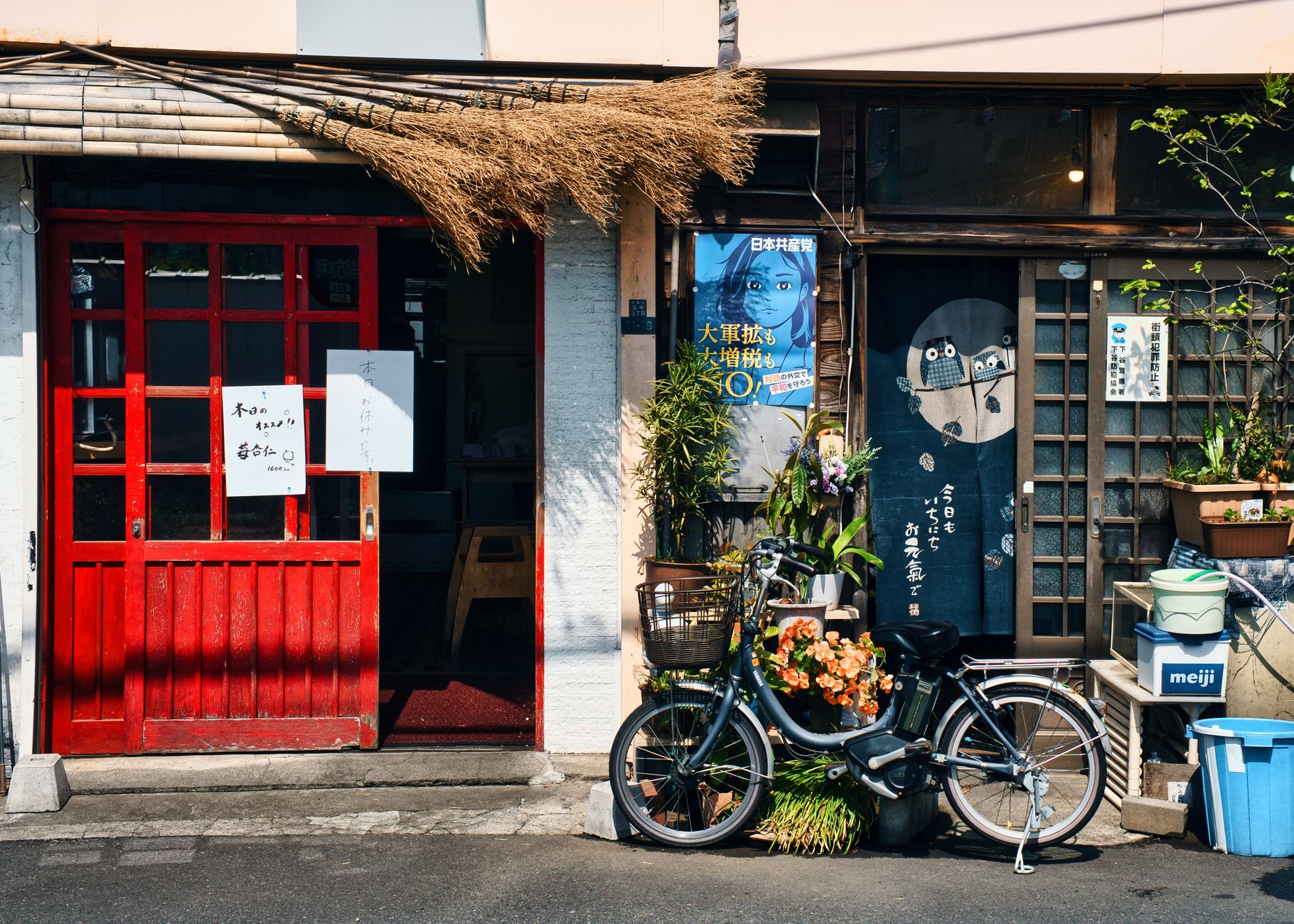
Tokyo’s Forgotten High Street: Yanaka Ginza’s Old-School Snacks Most Tourists Never Find
While the crowds surge through Shibuya and Asakusa, a quiet, time-worn shopping lane in northern Tokyo has been feeding the same neighborhood families for generations. Yanaka Ginza — a 170-meter stretch of low-slung stalls and wooden shopfronts tucked inside the Yanesen district — is one of the last surviving shōtengai (shotengai) in the city, and the snacks served here are the kind you simply will not find on any viral food map. This guide covers every stall worth stopping at, the best hours to visit, and how to spend a perfect half-day in Tokyo’s most unhurried food street.
Best Timing
The single best window to visit Yanaka Ginza is late morning on a weekday, between 10:30 and 13:00. Most stalls fire up their fryers and grills by 10:00, meaning croquettes and skewers are at their freshest in that first hour. The street sees its heaviest local foot traffic on Saturday and Sunday afternoons, particularly between 13:00 and 16:00, when the narrow lane can feel genuinely packed — charming, but slower. Weekday mornings offer calm, cooperative lighting for photography and unhurried conversation with stallholders who have been at their craft for decades.
Seasonally, late March through early May and October through November deliver the most pleasant walking weather, with mild temperatures and low humidity. Spring brings a soft cherry-blossom backdrop from nearby Yanaka Cemetery, while autumn turns the surrounding temple district amber and gold. Summer (July–August) is hot and humid but rewards early risers: arrive by 09:30 to beat the heat and catch the freshest batches of fried goods straight from the morning prep.
Core Experiences
Yanaka Meat Shop Croquettes (Niku no Sato)
At the northern entrance to the shopping street stands a stall that has been frying potato-and-minced-beef croquettes in the same cast-iron pan since the 1960s. The croquettes here — ¥80 per piece — are small enough to eat while walking, with a shatteringly crisp panko crust and a filling that is seasoned simply with onion, salt, and just enough fat to leave the fingertips glossy. There is no menu board, no loyalty card, and no English signage, which is precisely why the queue is always made up of locals buying in groups of five or ten at a time. The smell alone — hot oil, toasted breadcrumbs, savory beef — travels about twenty meters up the lane and does all the marketing necessary.
- 📍 Northern end of Yanaka Ginza, near the Yuyake Dandan steps · 💰 ¥80/piece · ⏰ 10:30–18:00 (closed Mondays) · ⭐ 4.7
- What locals know: Buy a minimum of three — the second and third are always hotter because the vendor keeps refilling the fryer. One is never enough.
Isetatsu Washi Paper Candy Corner
Isetatsu is primarily celebrated as one of Tokyo’s oldest washi paper shops, but tucked behind its display of hand-printed paper is a small candy counter that most tourists walk straight past. The shop carries konpeito (traditional star-shaped sugar candy), mizuame (stiff barley-malt syrup served on a wooden stick), and a rotating selection of dagashi — old-school penny sweets that Japanese adults buy purely for nostalgia. Prices run from ¥100 to ¥400 for individual items. The interior is dim, fragrant with paper and old wood, and every surface is covered in Edo-period patterns. It is less a sweet shop than a living archive of Meiji-era confectionery culture.
- 📍 Mid-section of Yanaka Ginza, look for the indigo noren curtain · 💰 ¥100–¥400 per item · ⏰ 10:00–18:00 (closed Tuesdays) · ⭐ 4.5
- What locals know: The mizuame on a stick takes patience — let it warm slightly in your hand for 30 seconds before pulling it apart, or it snaps rather than stretches.
Yanaka Beer Hall Menchi-Katsu Stall
Despite its name, this stall specializes not in beer but in menchi-katsu — deep-fried minced-meat patties that are a distinctly Tokyo working-class comfort food. The vendor here uses a blend of pork and beef, seasons it with ginger and soy, and fries each patty to order in a deep pot of clean vegetable oil. At ¥150 per patty, it is one of the best-value bites on the street. The exterior crust blisters and browns unevenly in the most appetizing way, and the interior stays juicy because the patties are pressed thick. A small wooden bench outside invites visitors to eat on the spot while watching the steady stream of schoolchildren, elderly regulars, and the occasional bewildered tourist.
- 📍 Midway along Yanaka Ginza, adjacent to the small covered arcade section · 💰 ¥150/patty · ⏰ 11:00–17:30 (sold out by 16:30 most days) · ⭐ 4.6
- What locals know: Visit on weekday mornings when the oil is freshest and the patties are at their thickest — vendors reportedly reduce the filling slightly in the final batches of the day to use up remaining meat.
Kayaba Coffee (Kayaba Kohii)
A few steps off the main lane, Kayaba Coffee has been operating since 1938 and is the unofficial living room of the Yanaka neighborhood. The menu is short: hand-drip coffee at ¥550, thick-cut toast with butter and jam at ¥400, and a rotating egg salad sandwich that regulars order by default. The building itself — two-storey, dark timber, original glass windows — survived the fires that destroyed much of Tokyo in 1945 and was restored to its prewar interior in the 2000s. It opens at 08:00, making it ideal as a pre-street-food coffee stop before the frying stalls open. Seating is limited to about 20 inside and a handful of outdoor stools; a queue of three to five is common on weekend mornings.
- 📍 Yanaka 6-chome, a 2-minute walk east off Yanaka Ginza · 💰 ¥400–¥600 per item · ⏰ 08:00–18:00 (closed Mondays) · ⭐ 4.8
- What locals know: The egg salad sandwich sells out by noon on weekends without exception. Arrive before 10:30 if it is a priority.
Yanaka Shiratama Dango Stand
At the southern end of the street, an older woman and her daughter operate a standing dango stall that has no formal name and no online presence. They sell shiratama dango — soft, chewy rice-flour dumplings — skewered three to a stick and dressed in either sweet soy glaze (mitarashi), red-bean paste (an), or plain with kinako soybean flour. Each stick is ¥120. The dango are made in small batches throughout the day; the texture is distinctly softer and less gummy than the pre-packaged versions sold at convenience stores, because they use fresh-ground rice flour rather than the dried variety. This is one of the most photogenic and most authentic bites on the entire lane.
- 📍 Southern exit of Yanaka Ginza, near the small stone lanterns · 💰 ¥120/skewer · ⏰ 10:00–17:00 (irregular — closed if ingredients sell out) · ⭐ 4.6
- What locals know: Mitarashi glaze is applied to order, not pre-coated — ask for “mitarashi onegaishimasu” and the skewer arrives glistening and hot rather than dried and sticky.
Recommended Route
This half-day itinerary covers all five spots in a logical north-to-south flow, allowing the food to build from light (coffee, sweets) to savory (croquettes, menchi-katsu) and finish gently with dango.
- 08:00 — Arrive at Kayaba Coffee (2-min walk east of the main street). Order hand-drip coffee and toast. Eat slowly; the lane is still quiet.
- 09:30 — Walk to the Isetatsu Washi Paper Candy Corner (mid-street). Browse the dagashi selection; the lane is setting up and photogenic before crowds arrive.
- 10:30 — Head to Yanaka Meat Shop Croquettes at the northern entrance. The first fresh batch comes out around 10:30. Buy three. Eat at the small bench near the Yuyake Dandan steps (5-min walk, great downward view of the lane).
- 11:15 — Walk south to the Yanaka Beer Hall Menchi-Katsu Stall for a hot patty. This is the savory peak of the visit — pair with a cold canned tea from the vending machine nearby (¥120).
- 12:00 — Continue to the Yanaka Shiratama Dango Stand at the southern exit. Choose mitarashi for the full local experience. Sit on the stone ledge near the lanterns.
- 12:30 — Optional extension: walk 10 minutes west into Yanaka Cemetery for a quiet stroll through Tokyo’s most atmospheric graveyard, then north to Nezu Shrine (15 min walk) for a compact torii tunnel.
Total walking distance: approximately 2.5 km. Total duration: 4–4.5 hours including browsing and eating time.
Budget · Transport · Booking
Getting there: Take the JR Yamanote Line to Nippori Station (west exit) — the Yuyake Dandan steps leading down into Yanaka Ginza are a 3-minute walk. Alternatively, the Tokyo Metro Chiyoda Line stops at Nezu Station (Exit 1), which is a 7-minute walk from the southern end of the lane. There is no dedicated parking; the area is not car-friendly.
Typical day budget (per person):
- 🍴 Croquettes (×3): ¥240
- 🍴 Menchi-katsu (×1): ¥150
- 🍴 Dango (×2 skewers): ¥240
- 🍴 Dagashi sweets: ¥300
- 🍴 Kayaba Coffee + toast: ¥950
- 🚇 Transport (IC card, round trip from central Tokyo): ¥300–¥500
- Total: approximately ¥2,200–¥2,500 (roughly USD $14–$17)
Booking: No reservations are required or available for any stall on Yanaka Ginza — everything is walk-up and cash preferred. Kayaba Coffee accepts IC cards at the register but not credit cards. Bring at least ¥3,000 in cash to cover food, coffee, and any spontaneous souvenir purchases. There are two ATMs within a 5-minute walk: one inside 7-Eleven near Nippori Station and one at the Japan Post office on Yanaka’s main road.
Must-Know Tips
- 💴 Cash is essential. Most stalls are cash-only. The croquette vendor, dango stand, and menchi-katsu stall do not accept IC cards or credit cards. Withdraw before arriving.
- ⏰ Arrive before 11:00 on weekdays for the freshest fried items and the least crowded lane. The egg salad sandwich at Kayaba Coffee sells out by noon on weekends.
- 📸 Photography is welcome on the street itself, but ask before photographing stallholders directly — a smile and a nod toward your camera is usually enough to get a warm yes.
- 🐱 Watch for the cats. Yanaka is famous for its stray cat community, which is fed and cared for by residents. Several cats have claimed territory near specific stalls and appear in photos reliably — the tabby near the dango stand is a neighborhood fixture.
- 🗣️ No English menus, but numbers work universally. Hold up fingers for quantity, point at the item, and hand over a ¥1,000 note. Change is always given accurately.
- 🕐 Irregular closing times are real. The dango stand closes when ingredients run out, which can be as early as 15:00 on busy weekends. Prioritize it if it is high on the list.
Closing
Yanaka Ginza is one of those rare city places where time has moved at a genuinely different speed — not because it has been preserved artificially for tourists, but because its community of longtime residents and multi-generational stallholders simply never stopped finding value in the way things were done. The croquettes taste the way they do because the recipe has not changed, not because a chef decided to revive it. For travelers who have spent days in Tokyo’s louder, more spectacular food districts, a few hours on this 170-meter lane can feel less like sightseeing and more like being quietly let in on something. Go on a weekday morning, bring cash, and let the smell of the fryer decide where to stop first.
🏨 Where to Stay
 Mitsui Garden Hotel Jingugaien Tokyo Premier⭐ 5.0 · 8.8/10 (9,410) · $176 /night
 KOKO HOTEL Shinjuku Yotsuya⭐ 4.0 · 8.3/10 (4,892) · $107 /night
 VIA INN PRIME AKASAKA - JR WEST GROUP⭐ 4.0 · 9.1/10 (7,657) · $93 /night
Agoda affiliate link — clicks go to the price-comparison page.