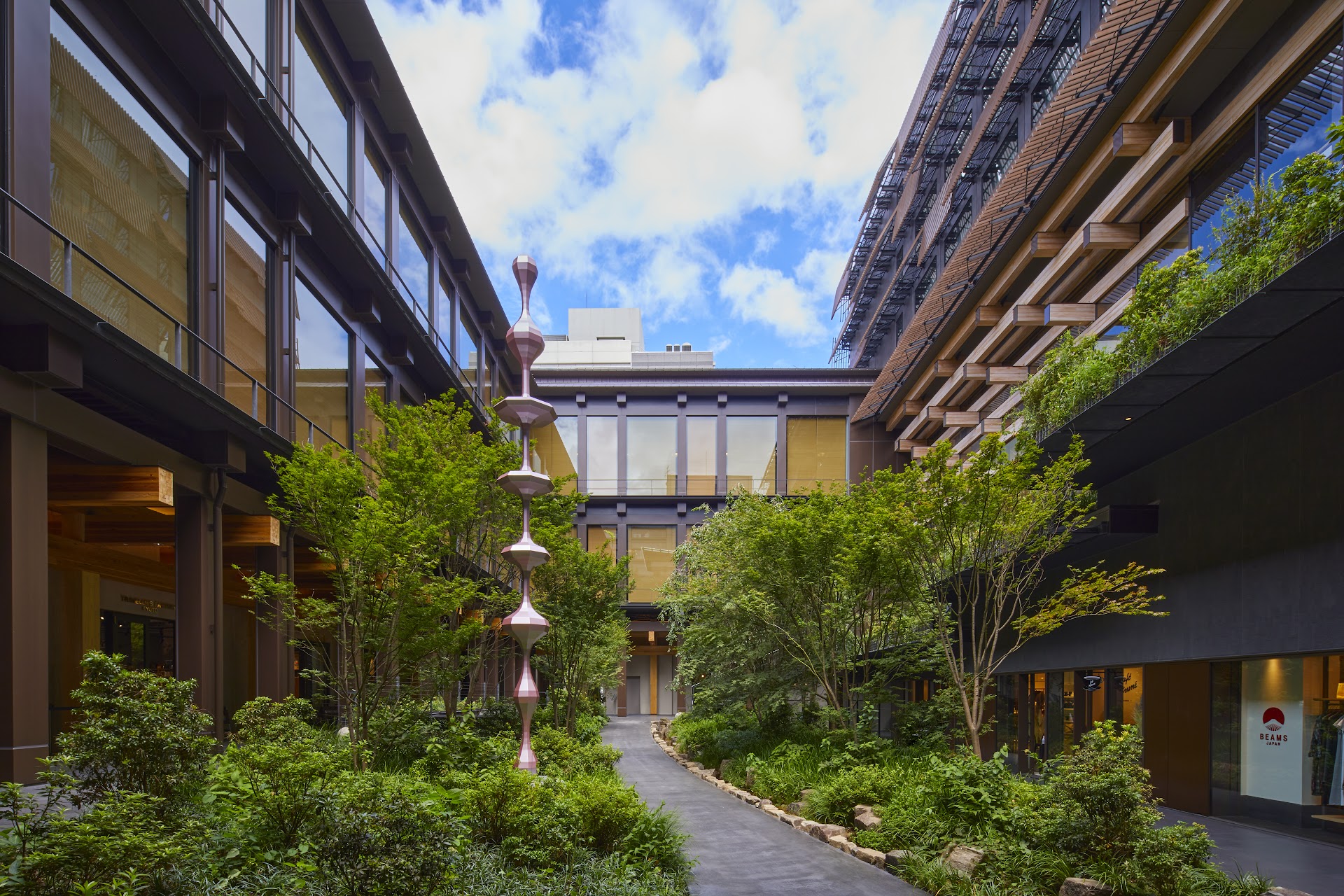
Kyoto has been doing hospitality for over a thousand years. So when a Portland-born cool-kid brand converts a Kengo Kuma–collaborated Shimizu construction on Karasuma Dori into its first Asian outpost, the question isn’t whether the rooms are nice. The question is whether they belong here at all.
Best Timing
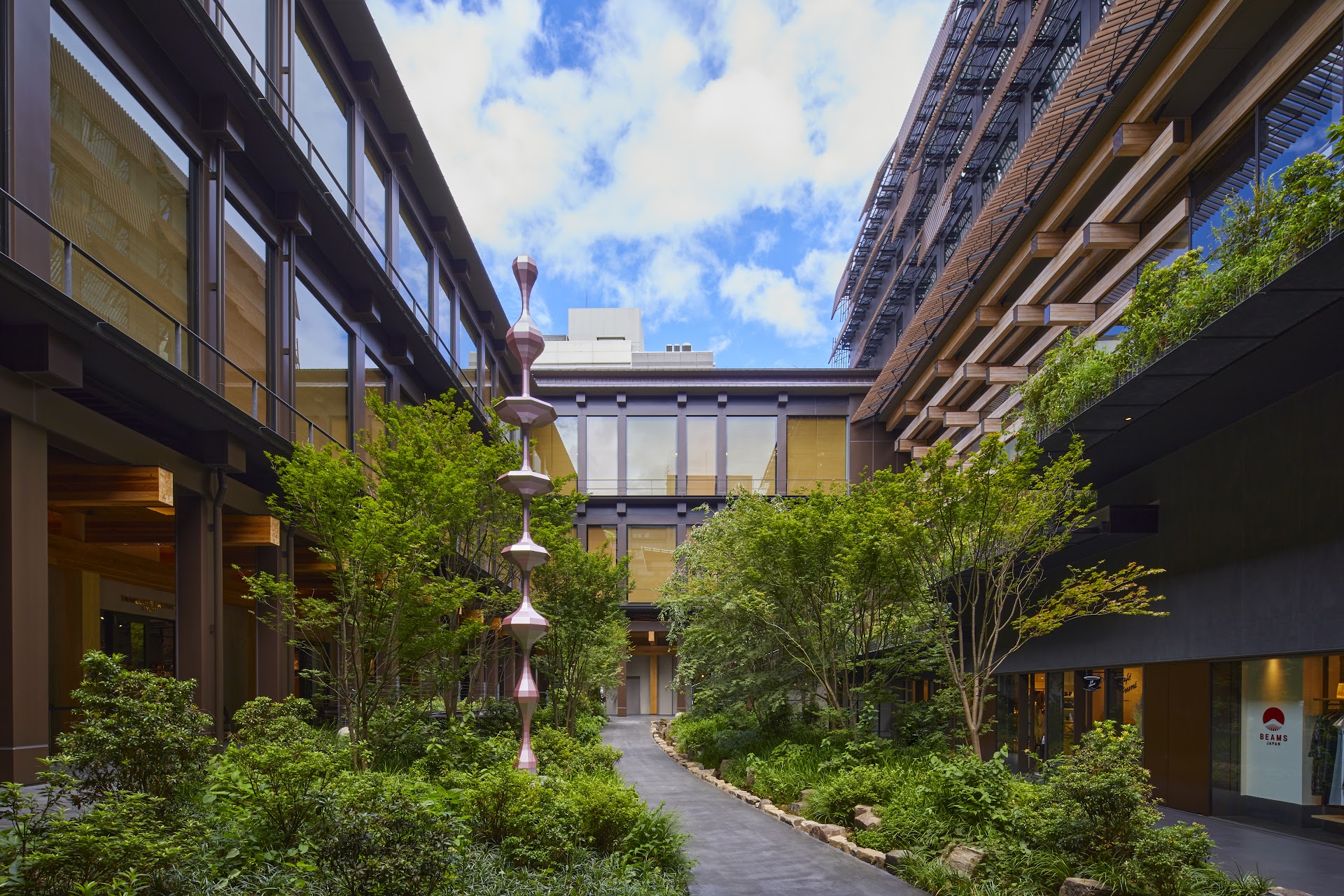
The most honest answer for visiting Kyoto is also the least exciting one: mid-November (late autumn foliage, roughly November 15–30) and early April (cherry blossom peak, typically April 5–15) deliver the city at its most arresting — but they also deliver it at its most crowded and most expensive. Ace Hotel Kyoto nightly rates can climb 40–60% above base during these windows. For a better value-to-atmosphere ratio, consider late September through mid-October: the heat has broken, the crowds from summer school holidays have thinned, and the light turns that particular amber that makes every maple and moss garden look pre-filtered. Early morning check-in (if available) is worth requesting — the lobby between 07:00 and 09:00 belongs almost entirely to guests, before the café fills and the street outside begins its daily hum.
Weather note: Kyoto summers (July–August) are legitimately punishing — 35°C with humidity that renders outdoor exploration miserable by 10 a.m. The Ace’s air conditioning is efficient, but you’d be spending money to stay inside a cool building in one of the world’s most walkable cities.
Core Experiences
The Lobby and Check-in Flow
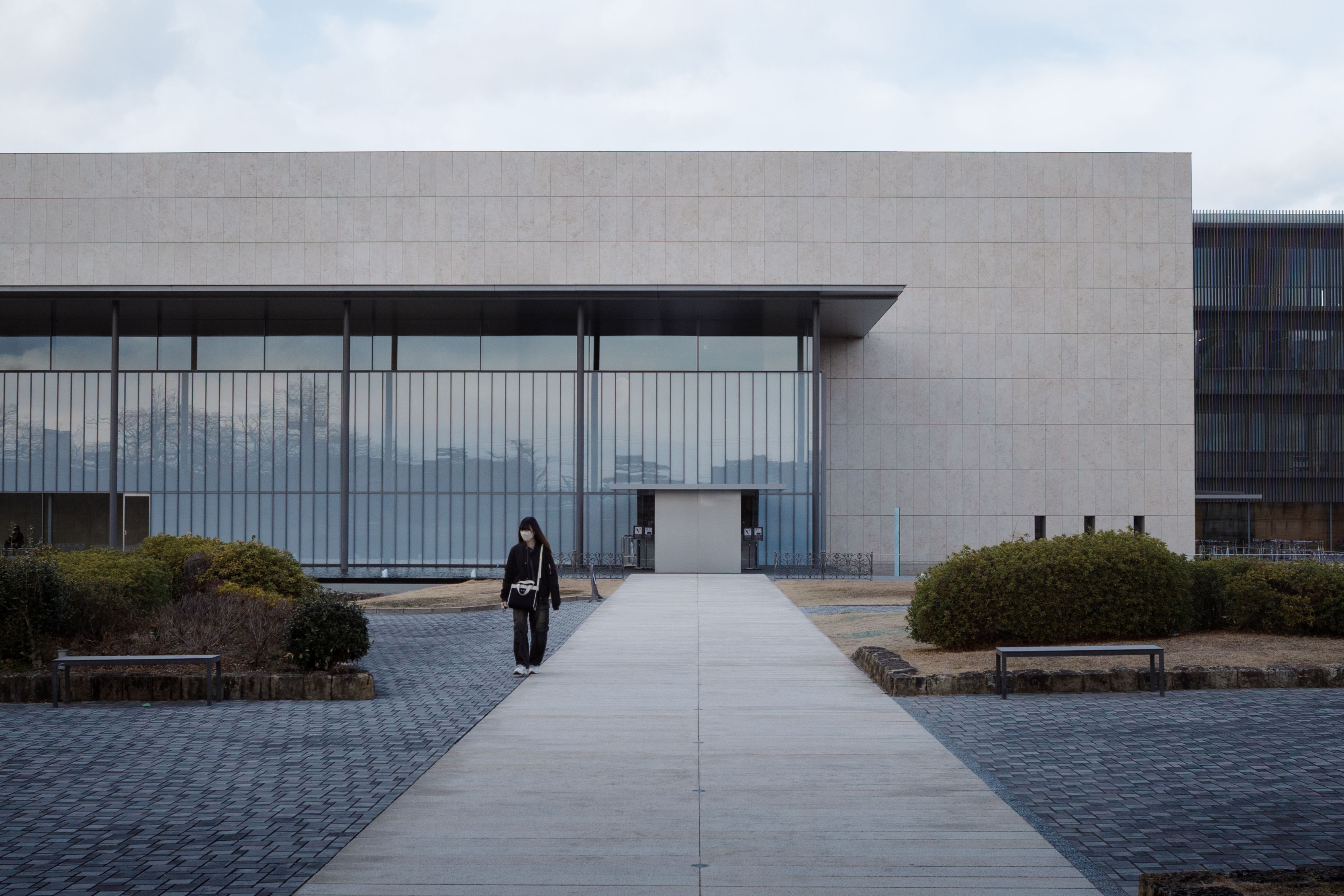
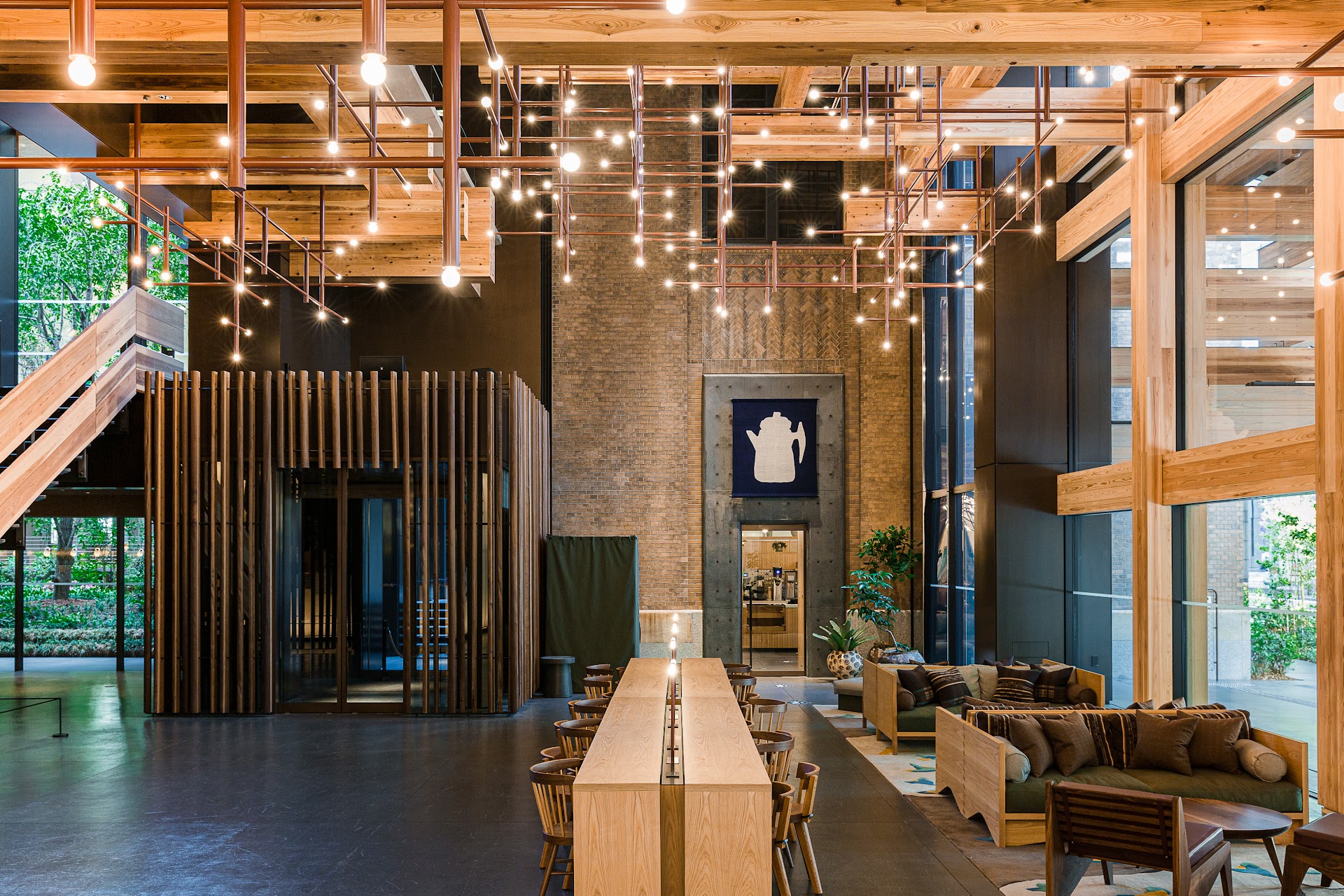
The first thing to understand about Ace Hotel Kyoto is that the lobby is not trying to whisper. In a city where most hotels — from the ryokan on a back alley to the international chains along the Kamo River — greet guests with quiet ceremony, the Ace opens with exposed concrete, raw timber columns, and a soundtrack that trends toward considered indie rather than koto ambient. Kengo Kuma’s influence is visible in the material layering: the gridded wooden screens that reference shoji without copying them, the stone floors that recall temple paths while remaining thoroughly contemporary. It works better than it sounds on paper. Check-in is handled at a low desk without a barrier between staff and guest — a deliberate gesture that either reads as democratic or slightly informal depending on your expectations. The lobby functions as a genuine public living room: locals come for coffee, not just hotel guests, which means by 10 a.m. there’s a real cross-section of people at the communal tables.
- 📍 Karasuma Dori, Nakagyo-ku, Kyoto (5 min walk from Kyoto City Hall subway station)
- 💰 Nightly rates from approx. ¥40,000–¥85,000 (standard room, varies by season)
- ⏰ Check-in from 15:00; lobby café from 07:00
- ⭐ 4.5
What locals know: The lobby’s communal tables are legitimately open to non-guests ordering from the coffee counter. Arriving at 08:00 on a weekday is one of the quieter ways to experience the space before the hotel’s social gravity kicks in.
The Standard Room
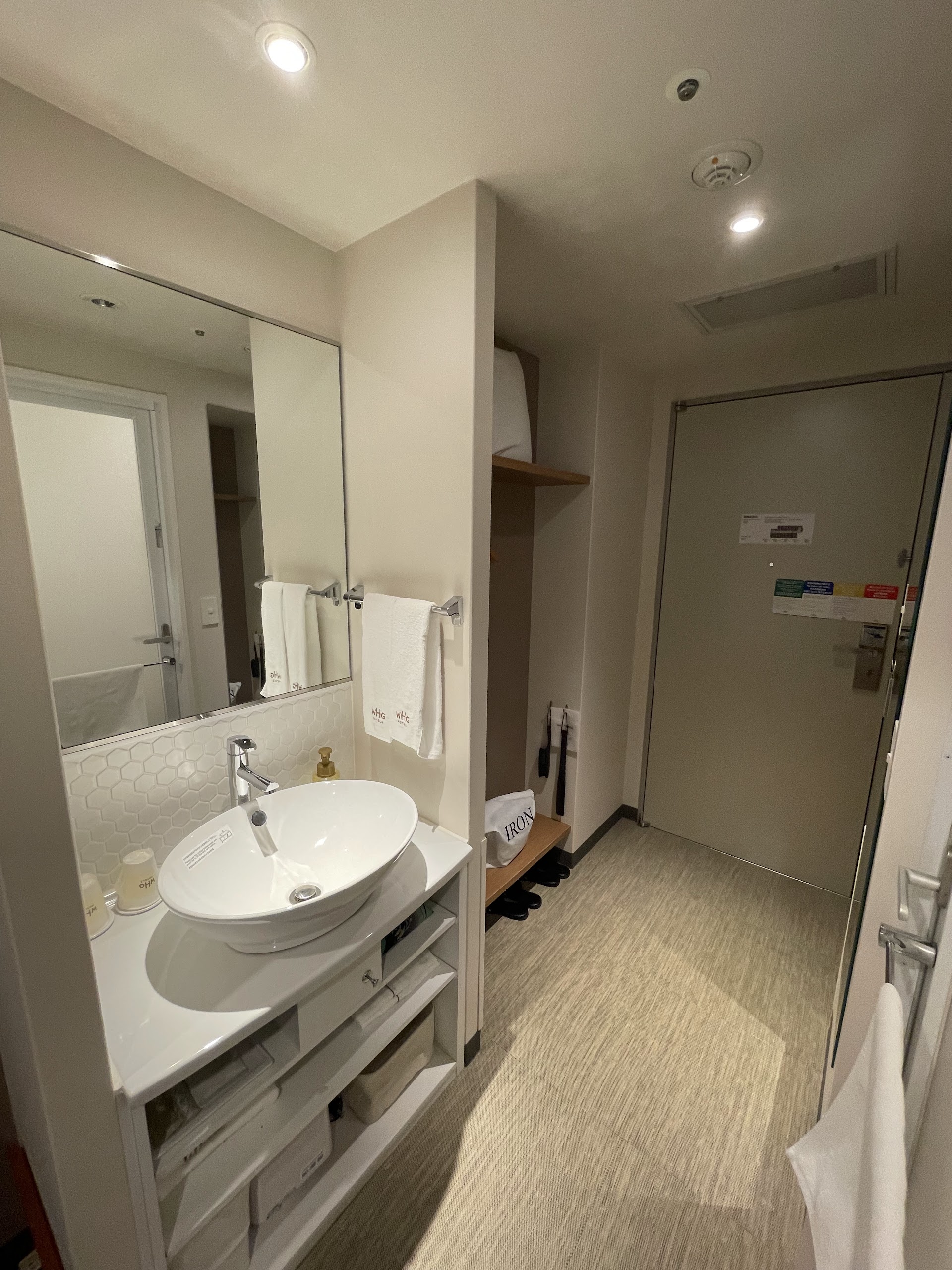
The press photography of Ace Hotel Kyoto shows rooms that look austere in a deliberate way — and the actual rooms mostly honor that impression. Standard rooms run roughly 30–35 sqm, which is generous by central Kyoto standards. The design language is spare: a low platform bed with a firm mattress that skews Japanese in feel, blackout curtains that actually work, and a concrete-and-oak palette that doesn’t try to compete with the city outside. What’s worth noting is the acoustic quality. Karasuma Dori is a major urban artery, but the window glazing is substantial enough that street noise becomes ambient rather than intrusive by around 11 p.m. The in-room record player — a known Ace brand signature — arrives with a small selection of curated vinyl, which is either a charming analog gesture or a slightly self-conscious one depending on how much you use it. Bathrooms are compact but well-proportioned, with Malin+Goetz amenities and rain showers with reliable pressure. City-view rooms on upper floors face west toward the Karasuma streetscape; these are preferable to courtyard-facing rooms if visual connection to Kyoto matters to you.
- 📍 Floors 3–7, Ace Hotel Kyoto
- 💰 Included with room rate; room upgrades (corner rooms, higher floors) at check-in if available
- ⏰ Room access from 15:00; late checkout until 13:00 subject to availability
- ⭐ 4.4
What locals know: Rooms on floors 5 and above on the Karasuma-facing side catch the evening light longest. Asking at check-in — not by calling ahead — is the most effective way to land one.
Breakfast at Shokudo
Breakfast is where a hotel’s relationship with its city either pays off or falls apart. At Ace Hotel Kyoto, the ground-floor restaurant Shokudo (食堂, meaning “canteen” or “dining hall”) runs a morning menu that makes a conscious effort to be in Kyoto rather than merely located there. The set breakfast includes tofu from a local Fushimi producer, pickled vegetables (tsukemono) sourced from Nishiki Market suppliers, dashimaki tamago (the rolled egg omelet that is a Kyoto morning staple), and miso soup with a lighter, whiter shiro miso base — distinctly Kyoto in contrast to the darker regional versions found elsewhere in Japan. There is also a Western option (avocado toast, good pastry) for guests who need one, but the Japanese set is both more interesting and more honest to place. The room itself — communal benches, natural light from tall windows — fills up by 08:30, so arriving at 07:15 or 07:30 means you eat in relative calm. Coffee is Stumptown, Ace’s long-standing partner, and it is reliably good.
- 📍 Ground floor, Ace Hotel Kyoto
- 💰 Japanese breakfast set approx. ¥2,800–¥3,500; included in some room packages
- ⏰ 07:00–10:30 daily
- ⭐ 4.6
What locals know: The shiro miso in the breakfast set is sourced from Saikyoya, a long-established miso producer in Fushimi. It’s milder and slightly sweeter than what most visitors expect — deliberately so.
Stumptown Coffee Counter
The Stumptown coffee counter in the lobby functions as a neighborhood café as much as a hotel amenity, and that dual identity is one of the more successful things Ace has managed here. By 09:00 on any given weekday, the counter serves a mix of hotel guests, Kyoto-based creatives, and the occasional office worker from nearby Karasuma business buildings. The espresso is pulled well — Stumptown’s Hair Bender blend, calibrated for the local water — and the filter coffee rotation changes monthly based on seasonal sourcing. There’s also a small selection of pastries, including an excellent sesame croissant made by a local Kyoto bakery partner. The seating arrangement, a long wooden bar facing the street through glass, makes this one of the better people-watching perches on Karasuma Dori without requiring a full restaurant meal. For travelers doing early-morning temple visits, this is a practical and legitimately good coffee stop before heading out.
- 📍 Lobby level, Ace Hotel Kyoto
- 💰 Espresso approx. ¥600; filter coffee approx. ¥700; pastries ¥300–¥500
- ⏰ 07:00–19:00 daily
- ⭐ 4.7
What locals know: The counter gets its longest queue between 08:30 and 09:30. Ordering at opening (07:00) or after 10:00 cuts wait time significantly. The sesame croissant sells out before 09:00 most mornings.
The Karasuma Dori Ten-Minute Walk
One of the cleaner tests of any Kyoto hotel is what happens when you step outside the front door. The Ace sits on Karasuma Dori near Oike intersection, placing it within a ten-minute walk of a concentration of landmarks that few central locations can match. Walking north for seven minutes reaches Nijo Castle (Nijō-jō), a UNESCO World Heritage site whose uguisubari “nightingale floors” — wooden planks engineered to creak under any footstep as a security measure — are one of the more quietly remarkable engineering gestures in the city. Walking south for eight minutes puts you at the edge of the Nishiki Market arcade, a narrow covered market stretching 400 meters east–west through Nakagyo-ku, lined with vendors selling tofu skin, pickled plum, fresh yuba, and grilled skewers since the 17th century. East along Oike leads to the Kyoto International Manga Museum and the quiet canal streets of the Yanagi district. This ten-minute radius is genuinely the argument for the Ace’s location: you are central in a city where being central actually means proximity to things that matter, not just proximity to a shopping mall.
- 📍 Karasuma-Oike intersection, Nakagyo-ku, Kyoto
- 💰 Free to walk; Nijo Castle entry ¥800; Nishiki Market is free to browse
- ⏰ Nijo Castle 08:45–17:00 (closed Tue in Jan, Jul, Aug, Dec); Nishiki Market vendors roughly 09:00–18:00
- ⭐ 4.8
What locals know: Nishiki Market is noticeably quieter before 09:30 on weekday mornings — most of the tourist foot traffic peaks after 11:00. The stall selling yuba sashimi (fresh tofu skin served raw with soy and wasabi) near the Teramachi end is a legitimate breakfast alternative for ¥400.
Recommended Route
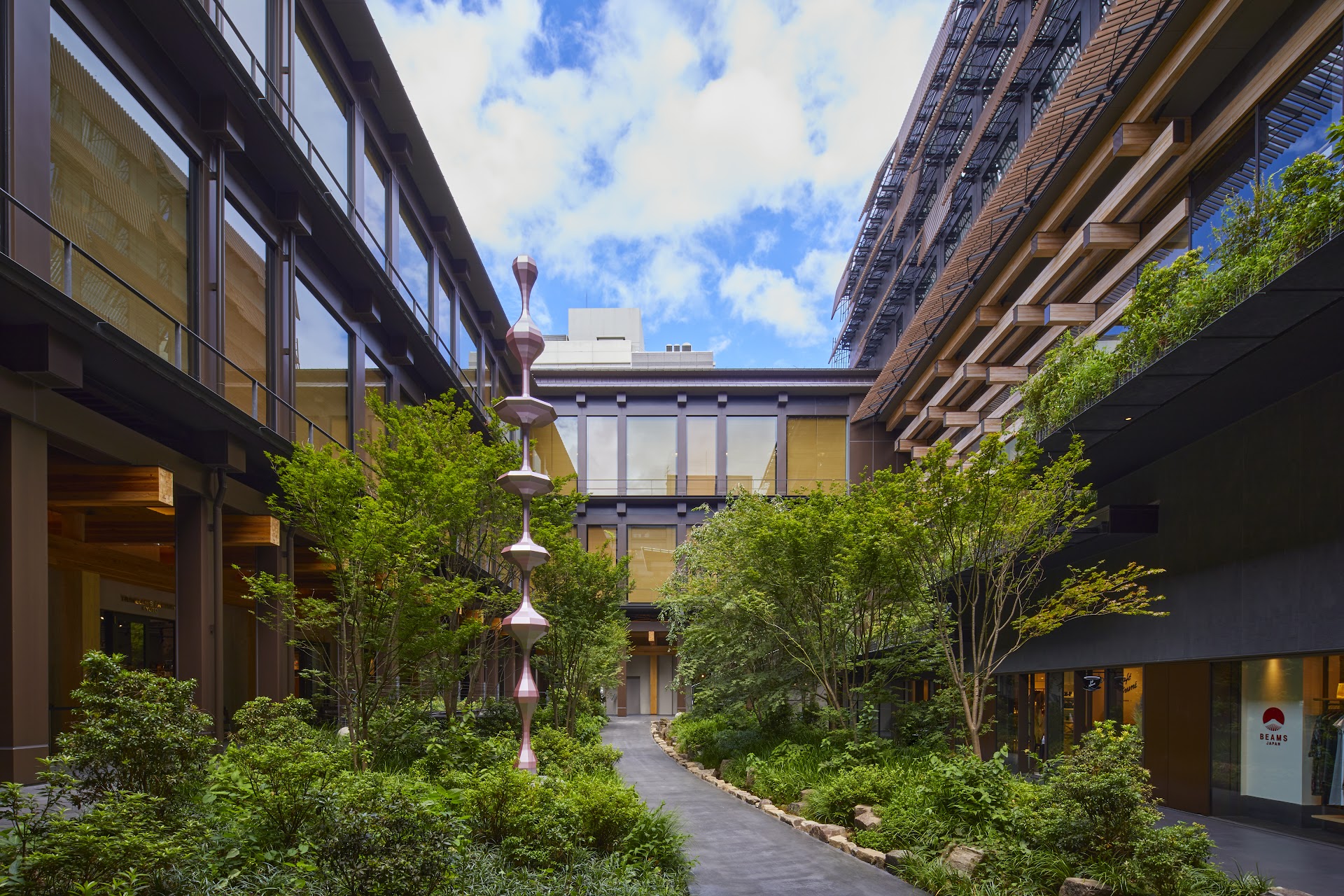
This itinerary treats Ace Hotel Kyoto as the operational base it’s designed to be:
07:00 — Coffee at the Stumptown counter; sesame croissant if available (order immediately on arrival).
07:30 — Walk north on Karasuma Dori (8 min) to reach Nijo Castle at opening; arrive before the first tour groups at 09:00.
09:15 — Return south along Karasuma; detour east on Oike to the Yanagi canal streets for a 15-minute orientation walk through a quieter residential neighborhood adjacent to the tourist core.
10:00 — Enter Nishiki Market from the Teramachi (east) end, moving west against the later tourist flow. Sample yuba, pickled vegetables, tamagoyaki.
11:00 — Return to hotel lobby. This is the optimal window to use the lobby as a work or reading space before the midday café volume builds.
12:30 — Lunch at Shokudo (if skipping the breakfast set) or walk five minutes to Sanjō Dori for neighborhood ramen or udon.
14:30 — Afternoon temple visit: Rozan-ji Temple (15-min walk east) or subway south two stops to Tōji for afternoon light through the five-story pagoda.
17:30 — Return to hotel; this is the window for checking room views as afternoon light hits the Karasuma streetscape from the west.
19:00 — Dinner: the Ace’s bar runs an evening menu with Japanese-inflected small plates, or walk 12 minutes east to the Gion Shijo corridor for kappo dining options at a range of price points.
Budget · Transport · Booking
Accommodation: Standard rooms range from approximately ¥40,000 to ¥85,000 per night, placing Ace Hotel Kyoto firmly in the upper-midrange to premium tier. This is higher than comparable chain hotels in the area and lower than Kyoto’s top-tier ryokan. The rate buys a design-forward room, a genuinely good coffee program, and an excellent location — not a traditional Kyoto experience in any cultural sense.
Transport: The hotel is a 3-minute walk from Kyoto City Hall Station (Tōzai subway line) and an 8-minute walk from Karasuma-Oike Station (Karasuma and Tōzai lines intersect here). From Kyoto Station, the subway ride is approximately 12 minutes and costs ¥260. A taxi from Kyoto Station runs ¥1,200–¥1,500. IC cards (Suica, ICOCA) work on all city subway and bus lines.
Daily budget estimate (excluding room):
- Breakfast at Shokudo: ¥2,800–¥3,500
- Coffee + pastry: ¥900–¥1,200
- Nijo Castle entry: ¥800
- Lunch (neighborhood): ¥1,200–¥1,800
- Dinner (mid-range Gion area): ¥4,000–¥8,000
- Transport (day total): ¥600–¥1,000
- Total per person per day (ex. room): approximately ¥10,000–¥16,000 (USD 65–105)
Booking: Room reservations should be made at least 60 days in advance for peak cherry blossom and autumn foliage periods. Direct booking via the Ace Hotel website occasionally offers a small rate advantage (complimentary late checkout, room credits) over third-party platforms. There is no advance booking requirement for the lobby café or Stumptown counter.
Must-Know Tips
- 🍵 Shiro miso ≠ standard miso: The breakfast miso’s lighter, sweeter flavor is characteristic of Kyoto-style (Saikyo) miso. If it tastes mild compared to expectations, that’s intentional — not a diluted version.
- 💰 Cash still matters in Kyoto’s market areas: Nishiki Market vendors are predominantly cash-only. Carry at minimum ¥3,000–¥5,000 in small bills before entering. The 7-Eleven at Karasuma-Oike Station has an international ATM.
- 📸 Photography inside Nijo Castle: Photography is permitted in the castle grounds and gardens but prohibited inside the Ninomaru Palace interior (the nightingale floors). Enforce this before you’re asked by staff.
- 👟 Footwear for castle visits: Nijo Castle’s Ninomaru Palace requires shoe removal at the entrance — slip-on shoes reduce friction at multiple removal points throughout the building.
- 🔇 Lobby noise after 20:00: The lobby bar and DJ programming (Ace runs occasional evening music events) can make the ground-floor atmosphere louder after 20:00 on weekends. Guests preferring quiet evenings should be aware that this is part of the Ace brand experience, not an anomaly.
- 🗓️ Nijo Castle Tuesday closures: The castle closes on Tuesdays in January, July, August, and December. Check the official calendar before building an itinerary around it.
Closing
The fairest verdict on Ace Hotel Kyoto is probably this: it doesn’t pretend to be a ryokan, and it doesn’t try to package Kyoto tradition through a boutique filter. What it offers instead is a well-executed, design-serious base in one of the most walkable intersections in central Kyoto — a place where the coffee is genuinely good, the rooms are quiet enough to sleep in, and the city is immediately accessible the moment you walk out the front door. Whether that’s worth ¥55,000 a night depends on what kind of Kyoto experience is being sought. For travelers who want the city’s cultural depth but don’t need it delivered through tatami and kaiseki, the Ace earns its rate.
The actionable takeaway: Book a west-facing room on floor five or above, arrive at the Stumptown counter before 07:30, and treat the hotel as a starting point rather than a destination — the neighborhoods within a ten-minute walk are doing the actual heavy lifting.
🏨 Where to Stay
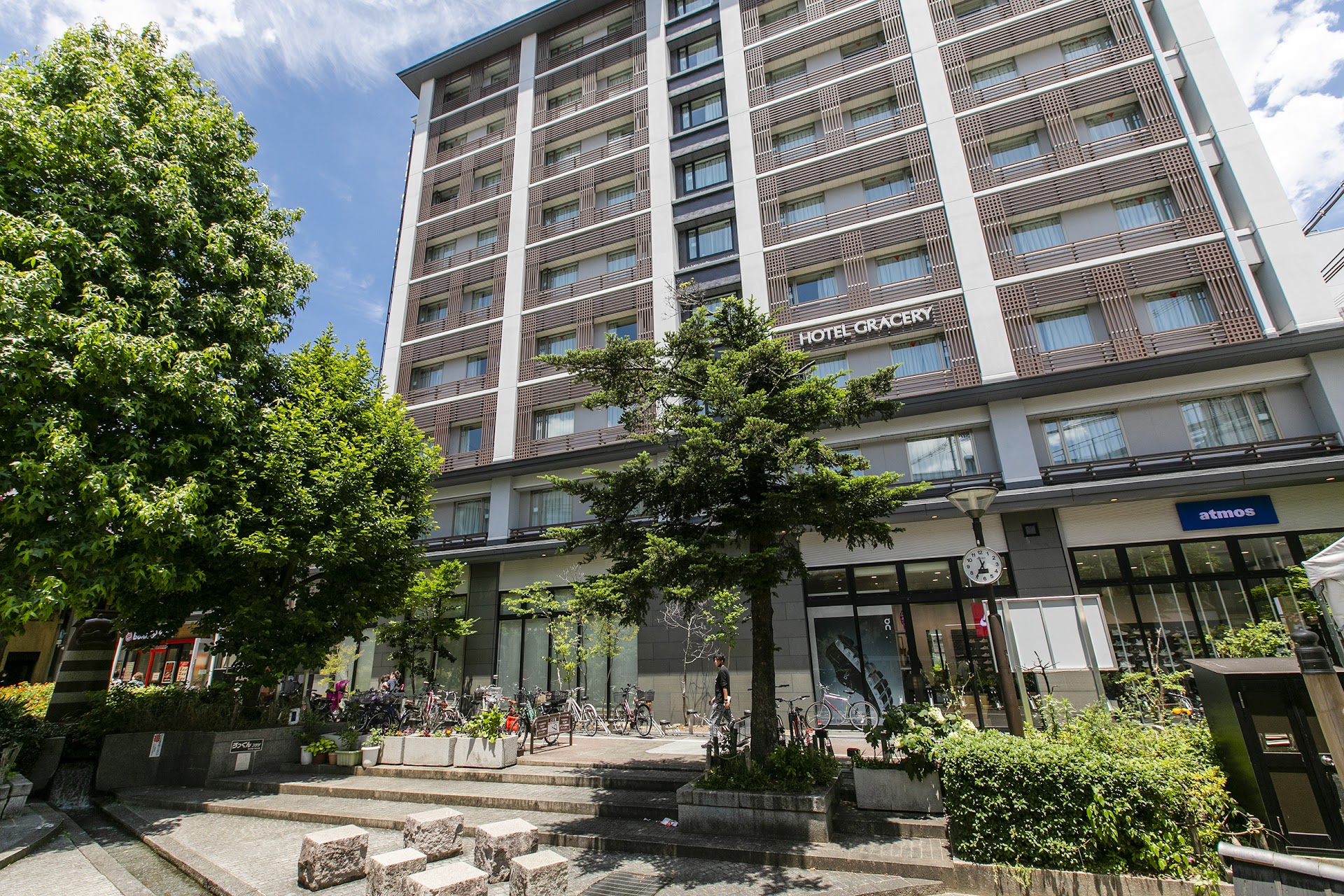
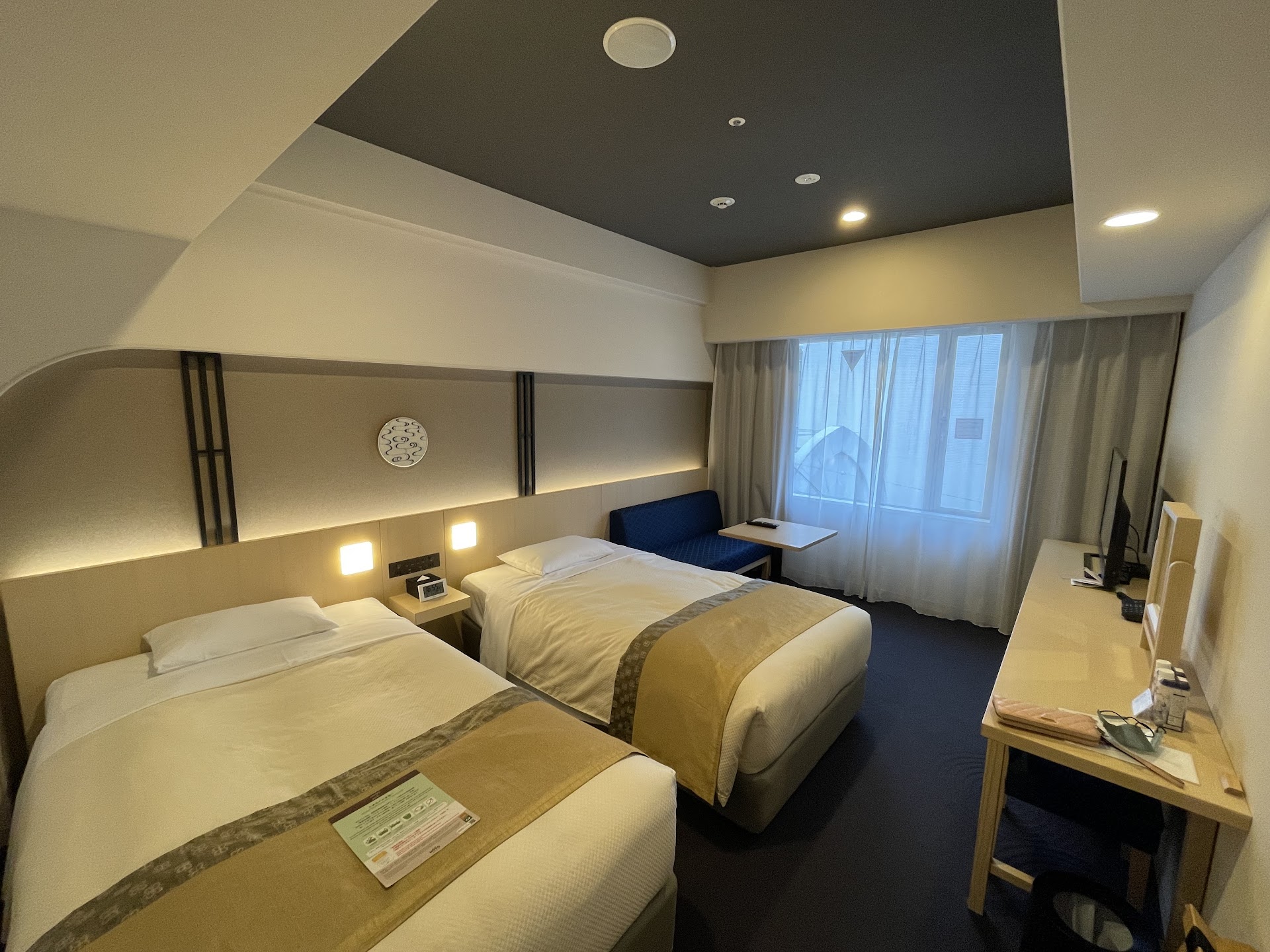 Hotel Gracery Kyoto Sanjo⭐ 4.0 · 8.9/10 (9,947) · $101 /night
 KOKO HOTEL Kyoto Sanjo⭐ 3.0 · 8.7/10 (1,562) · $112 /night
 Hotel Resol Kyoto Kawaramachi Sanjo⭐ 3.5 · 8.9/10 (4,722) · $141 /night
Agoda affiliate link — clicks go to the price-comparison page.