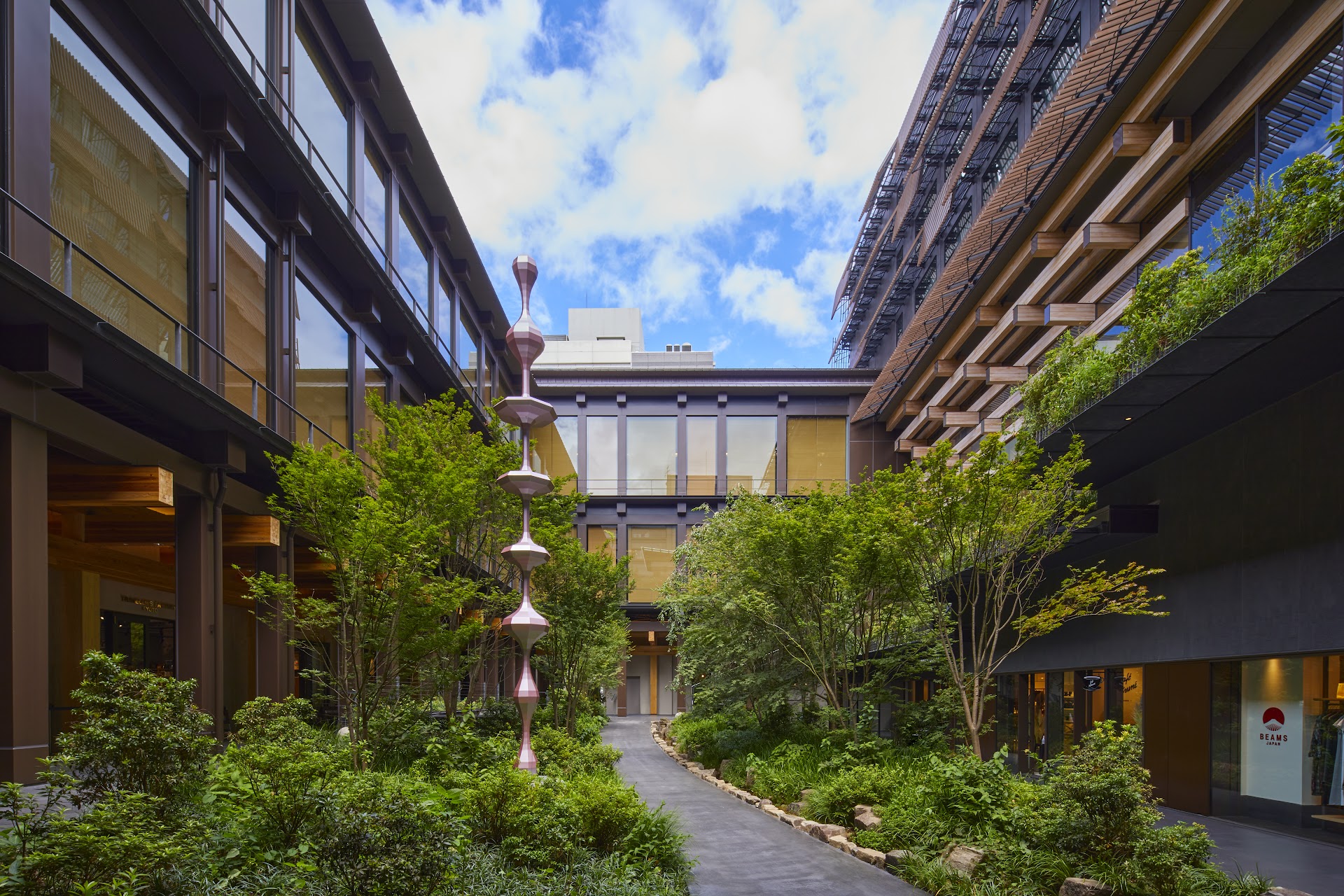
Kyoto has never been short of places to sleep — from century-old ryokans to sleek business hotels tucked beside train stations. But when Ace Hotel opened its Kyoto outpost inside a restored 1920s telephone exchange building on Karasuma-Oike, the city’s hospitality conversation shifted. The question worth asking before you book: does the rate hold up against what you actually get, or is this a case of branding doing the heavy lifting?
Best Timing
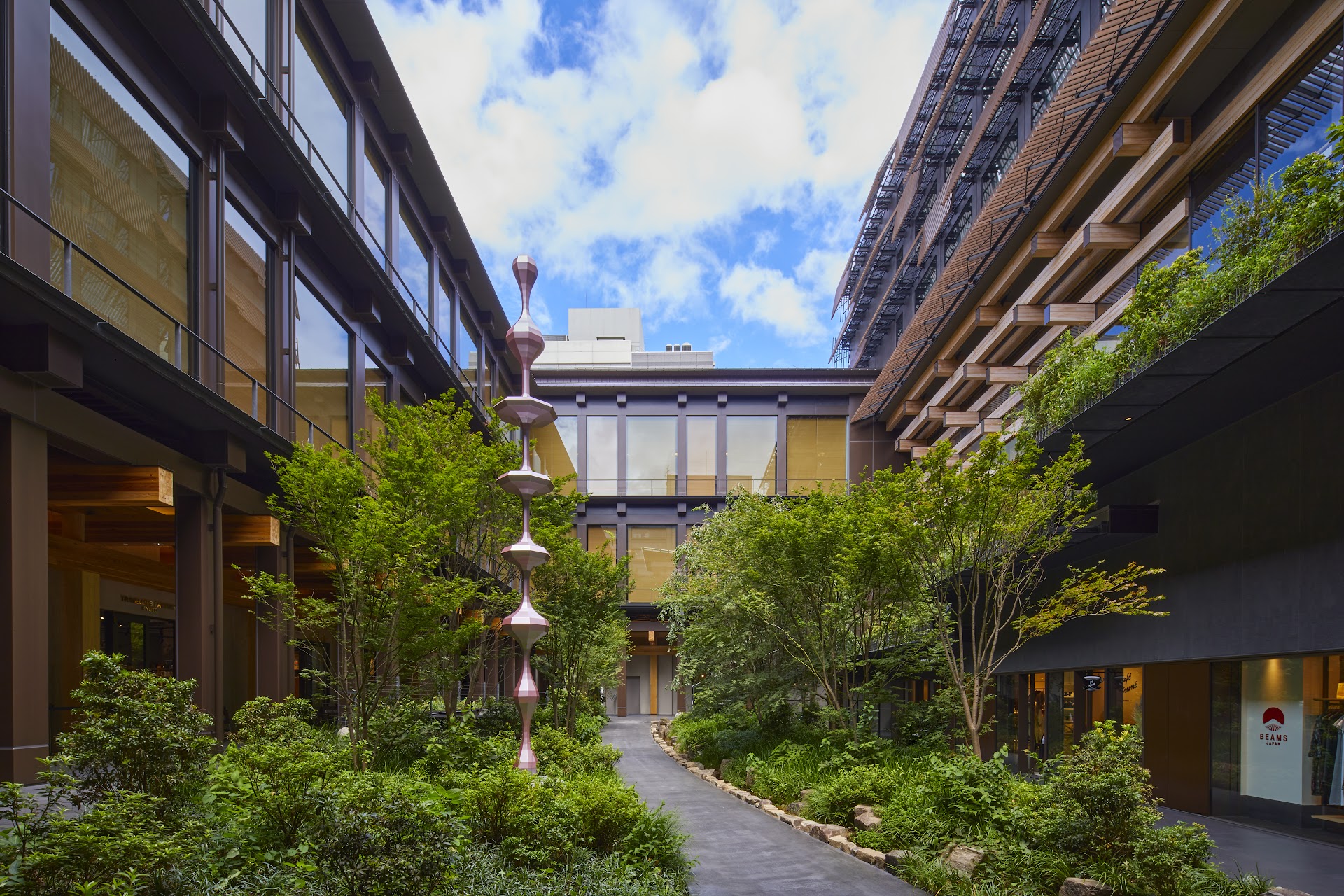
Kyoto rewards patience with its calendar. Mid-March through mid-April brings cherry blossoms that transform the streets around Oike into something close to a film set, but crowds and rates spike accordingly — expect nightly prices at Ace Kyoto to climb 30–40% above baseline. October and November offer the second peak: autumn foliage, cooler temperatures (12–18°C), and long golden-hour windows that make the hotel’s brass-and-concrete lobby glow in a way no interior designer could fully plan for. If you want the hotel at its most atmospheric without paying blossom-season premiums, early June (just after the rainy season’s first week) and late February are the locals’ open secrets — fewer tour groups, quieter breakfast service, and room rates that make the value equation far easier to defend.
Within any given day, the hotel reads differently by the hour. The lobby at 6:30–8:00 a.m. has a particular quality — staff moving quietly, natural light angling through the heritage windows, the coffee bar just warming up. That early window is worth setting an alarm for.
Core Experiences
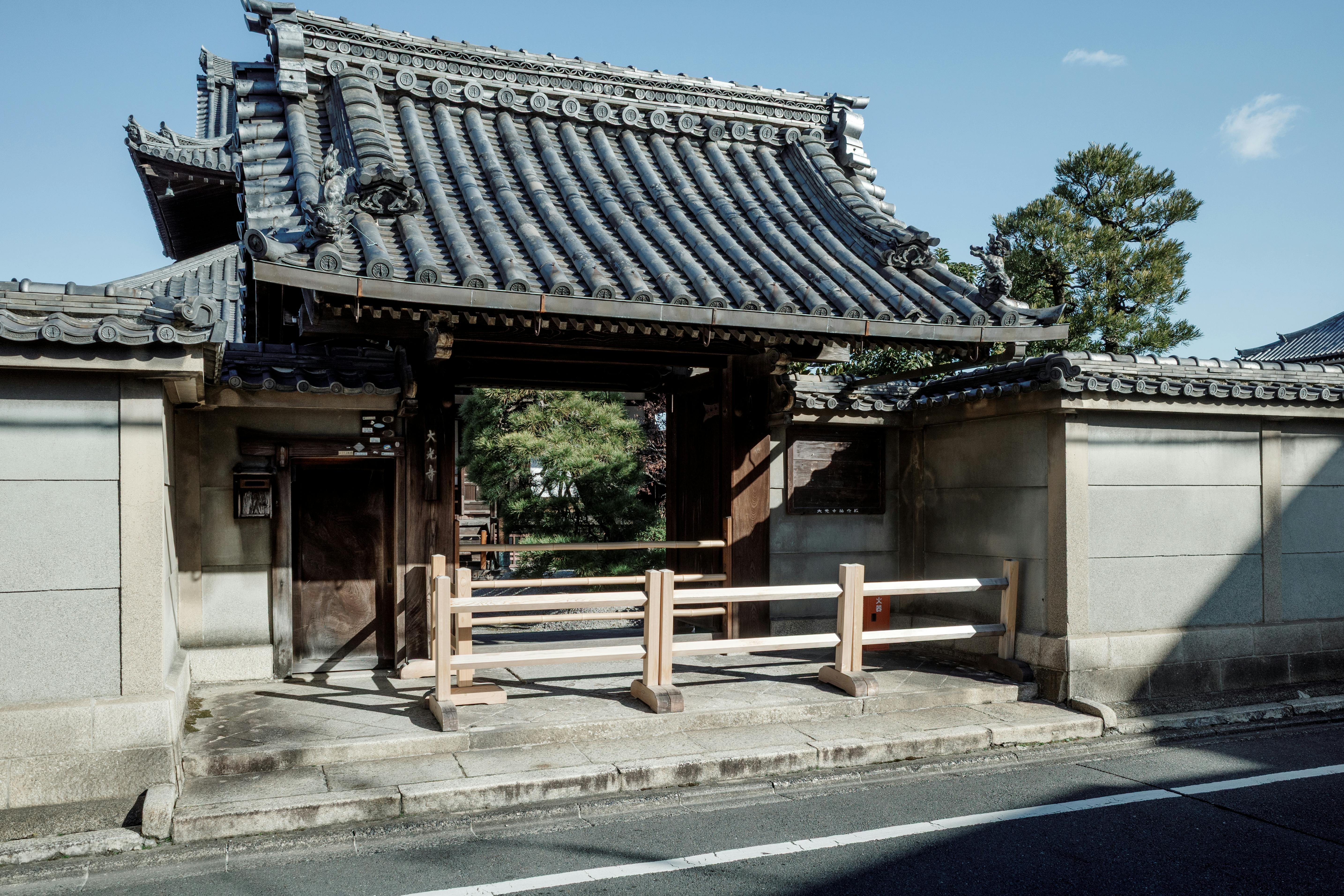
The Ace Hotel Kyoto Lobby & Check-In
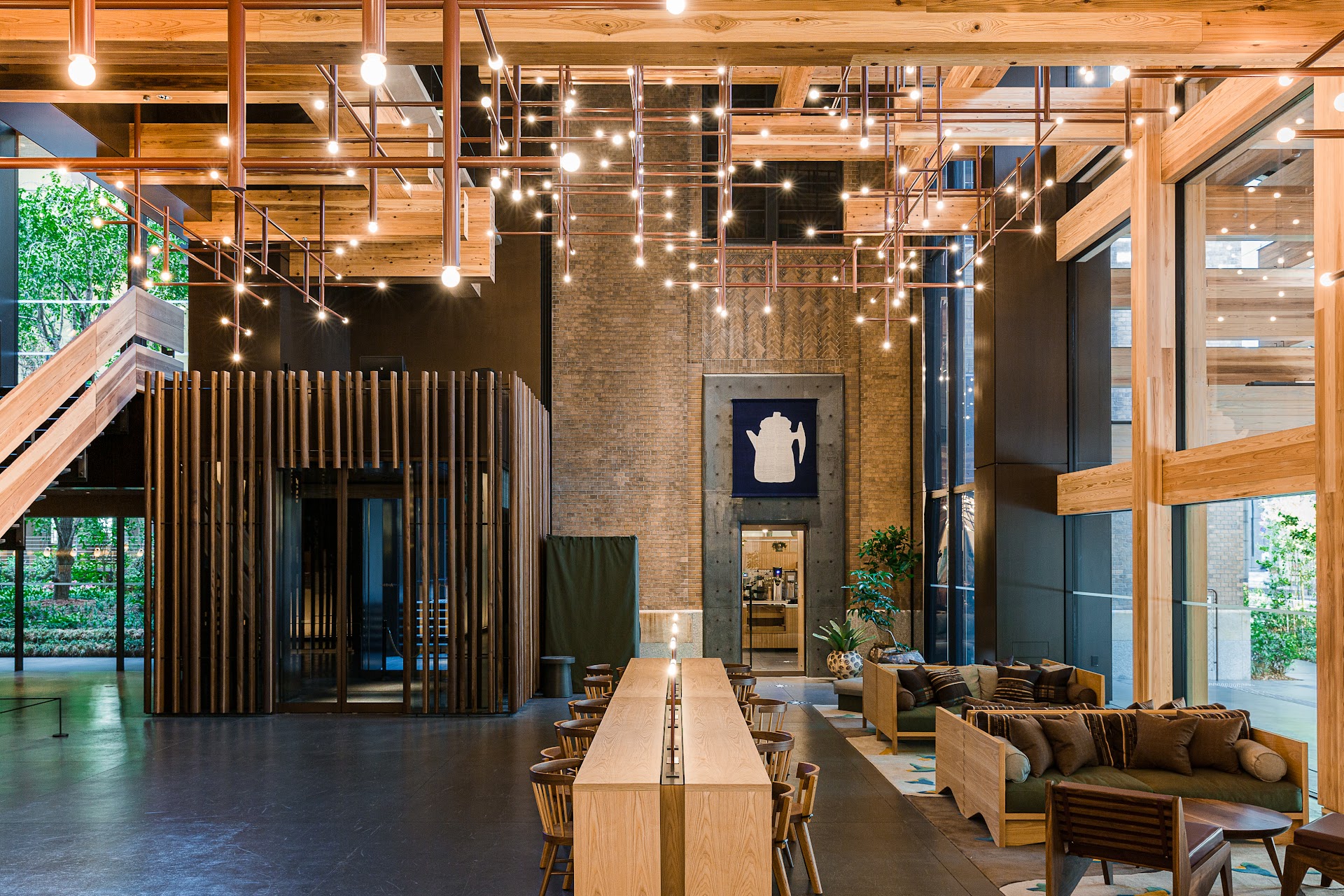
The ground floor of Ace Kyoto is not a lobby in the conventional hotel sense — it functions more like a curated public room that the city is invited into. The 1926 Kyoto Central Telephone Exchange building was designed by architect Maybeile, and the renovation by Kengo Kuma’s firm preserved the original reinforced-concrete skeleton while layering in warm oak, washi paper panels, and locally sourced ceramics. Check-in happens at a low desk that feels more like a conversation than a transaction. At dawn, when the building’s east-facing windows catch the first light, the space has a hushed editorial quality — cream walls, brass fixtures, the faint smell of hinoki from somewhere in the back. It sets a tone for the entire stay before you’ve touched the elevator button.
- 📍 Karasuma-Oike, Nakagyo-ku, Kyoto (5-min walk from Kyoto City Hall subway station)
- 💰 Rooms from approx. ¥45,000–¥85,000/night depending on season and room category
- ⏰ Check-in from 15:00 · Check-out by 12:00 · Lobby public areas open 24 hrs
- ⭐ 4.5 / 5 (aggregated guest score)
What locals know: Walk through the lobby even if you’re not staying — the ground-floor café and retail space are open to non-guests, and the building’s architectural detail is best appreciated from the café seating at the back corner, looking toward the original facade.
The Standard King Room
The rooms at Ace Kyoto are not large by international luxury-hotel standards, and that honesty is actually part of their appeal. A standard King runs approximately 28–32 sqm, with ceilings just high enough to avoid feeling compressed. The design vocabulary is consistent with the lobby: raw concrete columns left exposed, warm wood floors, a writing desk that occupies genuine square footage rather than sitting decoratively in a corner. The bed — a Hypnos mattress by most accounts — delivers. Natural light is generous on upper floors facing Oike-dori, though rooms on the lower floors facing the inner courtyard trade the street view for quiet. The bathroom features a deep soaking tub in most King configurations, with locally made ceramic amenity dispensers rather than the usual plastic miniatures. What the room reveals about modern Kyoto is something interesting: the city has learned to hold its heritage and its design ambitions in the same frame without one apologizing to the other.
- 📍 Floors 3–9, multiple orientations available at booking
- 💰 Standard King approx. ¥50,000–¥65,000/night (excluding tax and service)
- ⏰ Room service available 07:00–23:00
- ⭐ 4.6 / 5
What locals know: Request a high-floor Oike-facing room at booking rather than on arrival — the street-side views of ginkgo trees and the distant Higashiyama ridge are the room’s best-kept differentiator from similarly priced properties.
Stumptown Coffee & The Hotel Breakfast
The breakfast offering at Ace Kyoto is where the hotel’s Portland-meets-Kyoto identity becomes most legible. The ground-floor café runs on Stumptown Coffee — the Portland roaster that has been part of Ace’s DNA since the brand’s early days — and the morning menu operates on a hybrid model: a compact Western selection (avocado toast, eggs, granola with local yuzu-infused yogurt) sits alongside a short Japanese set that includes dashi tamago, pickled vegetables, and a small bowl of Kyoto-style white miso soup. The quality is consistent; the portion calibration is honest rather than generous. A full breakfast for two, with two specialty coffees, typically lands around ¥6,000–¥8,000. What it lacks in drama it compensates for in execution — the coffee is reliably excellent, and the miso soup alone makes a case for not walking three blocks to the nearest convenience store.
- 📍 Ground-floor café, Ace Hotel Kyoto
- 💰 Full breakfast set approx. ¥3,000–¥4,000/person · Coffee from ¥700
- ⏰ Café opens at 07:00 · Breakfast service until 11:00 weekdays, 11:30 weekends
- ⭐ 4.4 / 5
What locals know: Arrive before 8:00 a.m. on weekends to avoid the queue that forms by 9:00 — the café draws non-hotel Kyoto residents who treat it as a neighborhood spot, which is both a compliment to the space and a practical scheduling note.
Nijo-jo Castle — The 10-Minute Walk
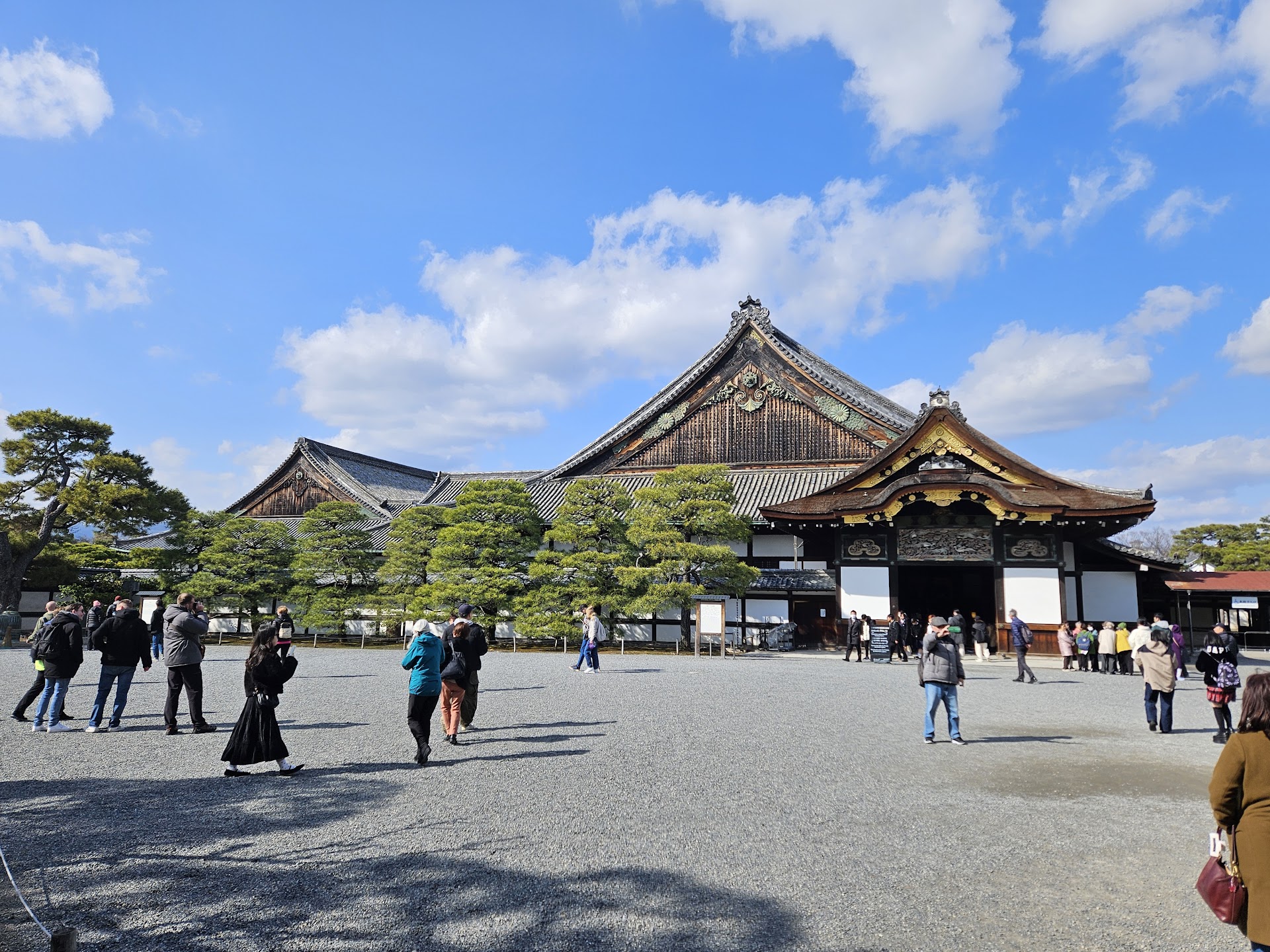
One of the most underappreciated arguments for Ace Hotel Kyoto’s location is that Nijo-jo Castle sits a 10-minute walk northwest of the front door. A UNESCO World Heritage Site since 1994, Nijo-jo is the former Kyoto residence of the Tokugawa shogunate — its Ninomaru Palace features the famous “nightingale floors” (uguisubari), wooden corridors engineered to creak melodically underfoot as a security measure against silent intruders. The castle grounds cover 275,000 sqm and contain two concentric moats, extensive garden paths, and stone walls that frame the sky in a way that feels compositionally deliberate. In late March, the inner garden’s 50 cherry trees create a scene that is visited by roughly 1.5 million people annually. The walk from the hotel passes through the Oike-dori ginkgo corridor and several quiet residential blocks — those 10 minutes tell you as much about Kyoto’s spatial logic as the castle itself does.
- 📍 541 Nijo-jo-cho, Nakagyo-ku, Kyoto · 10-min walk from Ace Hotel
- 💰 Admission ¥1,300 adults (castle + palace) · ¥800 grounds only
- ⏰ Open 08:45–17:00 (last entry 16:00) · Closed Tuesdays in Jan and Jul–Aug
- ⭐ 4.6 / 5
What locals know: The castle’s east gate (Higashi-Otemon) opens earlier than the tourist-bus arrival wave; getting there at 09:00 sharp means Ninomaru Palace with almost no other visitors in the first 30 minutes — a different experience entirely from the midday crowd.
Nishiki Market — Kyoto’s Kitchen
Fifteen minutes on foot southeast of the hotel, Nishiki Market (錦市場) runs 390 meters through a covered arcade and has supplied Kyoto’s restaurants and home cooks for over 400 years. The stalls number around 130 and cover the full range of Kyoto food culture: yuba (tofu skin) pulled fresh from simmering water, skewered kushikatsu, jars of kyoto-style tsukemono (pickles) in colors that range from pale green to deep amber, and the city’s beloved dashimaki tamago — a rolled egg omelet cooked with a savory dashi broth that is distinctly softer and more delicate than Tokyo’s version. Morning visits (before 10:00) offer a calmer, more local-facing experience; by noon the arcade is dense with domestic and international tourists. Nishiki is not a place to sit down for a long meal — it rewards slow walking and strategic stopping.
- 📍 Nishiki Market Arcade, Nakagyo-ku, Kyoto · ~15-min walk from Ace Hotel or 1 subway stop
- 💰 Individual tastings ¥200–¥600 per item · Full browse + snacking approx. ¥1,500–¥2,500/person
- ⏰ Most stalls open 09:00–18:00 · Some close Monday or Wednesday
- ⭐ 4.3 / 5
What locals know: The Aritsugu knife shop at the market’s western end (founded 1560) sells professional-grade Japanese kitchen knives with on-site engraving — a functional souvenir that clears customs and outlasts a dozen Kyoto-themed trinkets.
Recommended Route
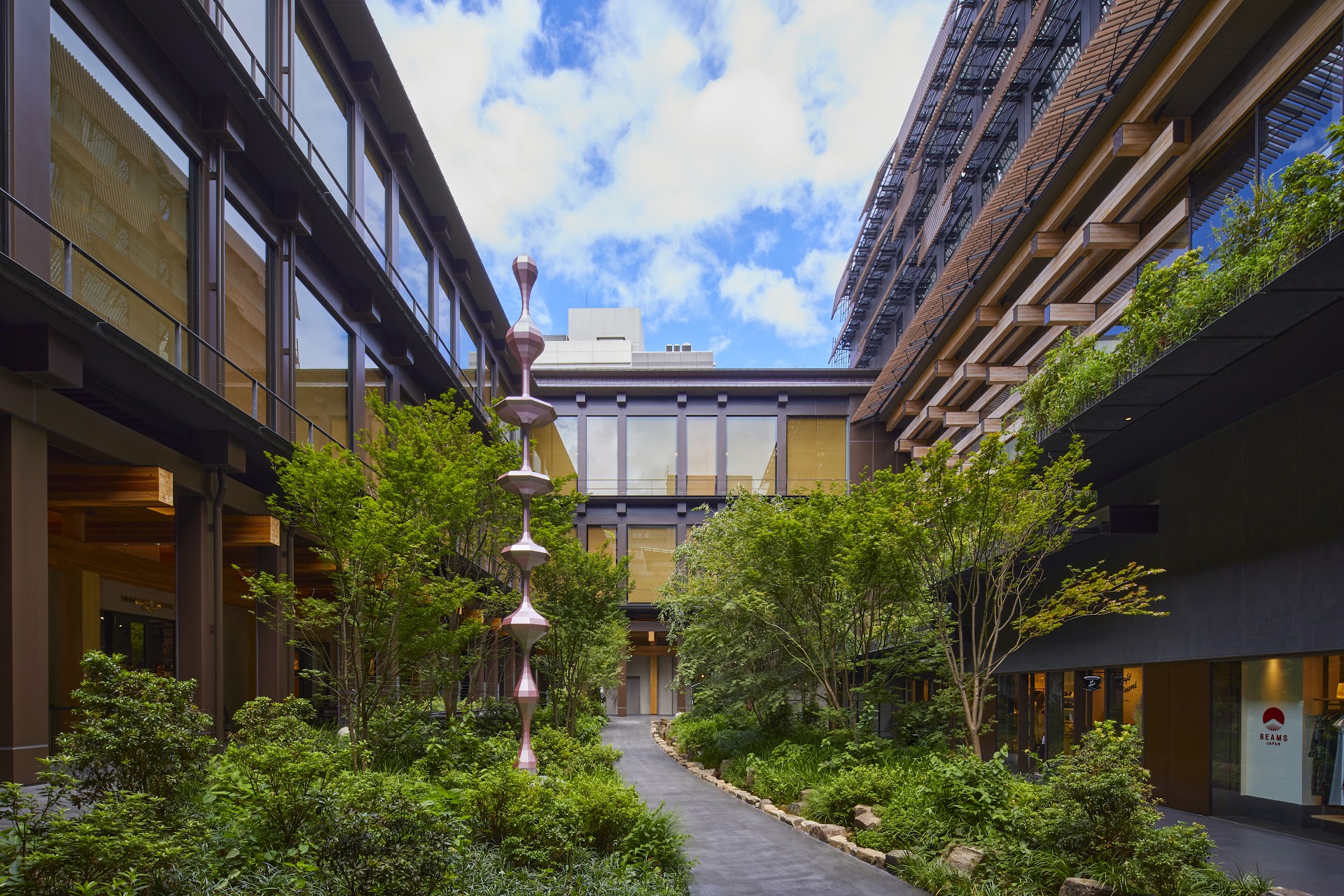
This half-day itinerary makes use of the hotel’s walkable position and can be completed before checkout.
- 06:30 — Wake to early light in the room; note the street view and the way the city sounds at this hour before it fully starts.
- 07:00 — Lobby café opens. Order the Japanese breakfast set + Stumptown pour-over. Claim a window seat before 7:30.
- 08:30 — Walk northwest (10 min) to Nijo-jo Castle. Arrive just before 09:00 opening. Spend 60–75 min inside, prioritizing Ninomaru Palace before the tour groups arrive.
- 10:15 — Walk back through the residential Oike-dori corridor (12 min) toward the hotel, then continue southeast 15 min to Nishiki Market.
- 10:45 — Enter Nishiki from the eastern end (Teramachi side). Work westward slowly: sample yuba, dashimaki tamago, and at minimum one tsukemono. Exit at the Aritsugu end.
- 12:15 — Return to hotel (12 min walk or 1 subway stop on Karasuma line). Late checkout at 12:00 is standard; the lobby holds luggage if you’ve already vacated.
- Total walking distance: approximately 4.5 km · comfortable in flat shoes
Budget · Transport · Booking
Room rate: ¥45,000–¥85,000/night depending on season and room type. This puts Ace Kyoto at the upper-mid to premium tier — above most business hotels, below the city’s top ryokans and the Park Hyatt tier.
By comparison, neighborhood ryokans within 3–5 blocks (around Oike and Fuyacho) typically run ¥18,000–¥35,000/night with meals included — a meaningful gap. The Ace rate buys design, an international café brand, English-fluent service, and a specific cultural positioning. It does not include meals by default.
Day budget estimate (one person, one night):
- Room (standard King, mid-season): ¥55,000
- Breakfast: ¥3,500
- Nijo-jo admission: ¥1,300
- Nishiki snacking: ¥2,000
- Coffee/incidentals: ¥1,500
- Total approx.: ¥63,300 (~$420 USD at current rates)
Transport: The hotel is a 5-minute walk from Kyoto City Hall subway station (Karasuma/Tozai lines), making it one of the better-located hotels in central Kyoto. A day subway pass costs ¥800. Taxis are readily available on Oike-dori.
Booking lead time: Ace Kyoto operates on standard hotel booking windows, but cherry blossom season (late March–mid April) and autumn foliage (late October–mid November) require reservations 4–8 weeks in advance minimum via the hotel’s direct site or major OTAs. Cancellation policies tighten to 72 hours during peak periods.
Must-Know Tips
- 🕐 Request floor and orientation at booking, not arrival. High-floor Oike-facing rooms are limited; by check-in day, your options narrow significantly.
- 💴 Cash still matters in Kyoto. Nishiki Market stalls and smaller Nakagyo restaurants are often cash-only. Carry at least ¥5,000–¥10,000 in bills; the nearest 7-Eleven ATM (international-card compatible) is 3 minutes from the hotel.
- 📷 Photography at Nijo-jo: The Ninomaru Palace interior is strictly no-photography. The gardens and exterior walls are unrestricted — wide-angle lenses work well for the stone wall compositions.
- 👟 Footwear for Nijo-jo: The palace requires removing shoes at the entrance; slip-on or easily removed footwear saves time and awkwardness at the entry threshold.
- 🌧️ June rain: If visiting in early June, pack a compact umbrella — Kyoto’s tsuyu (rainy season) arrives around June 10, but light rain before that date is common and often softens the city’s light in ways that photograph beautifully.
- 🥢 Ryokan comparison worth making: Before dismissing the ryokan option as “too traditional,” price-check Fuyacho-area properties with dinner and breakfast included — the all-in cost sometimes undercuts a room-only Ace rate by ¥5,000–¥15,000 per person.
Closing
Ace Hotel Kyoto earns its rate on design consistency, location logic, and the particular feeling of a building that knows what it is — a 1920s telephone exchange that decided to keep listening to the city rather than shout over it. The ten-minute walk to Nijo-jo, the miso soup at 7 a.m., the exposed concrete column beside a Hypnos mattress: these details accumulate into a stay that reads as modern Kyoto rather than a generic luxury holdout. Whether that justifies ¥55,000–¥65,000 over a neighborhood ryokan depends entirely on what you’re calibrating for.
The actionable takeaway: book the Oike-facing King on floor 6 or above, arrive hungry enough to sit down for the full breakfast set, and build your first morning around Nijo-jo before 9:15 a.m. That sequence is worth more than any amenity the rate includes.
🏨 Where to Stay
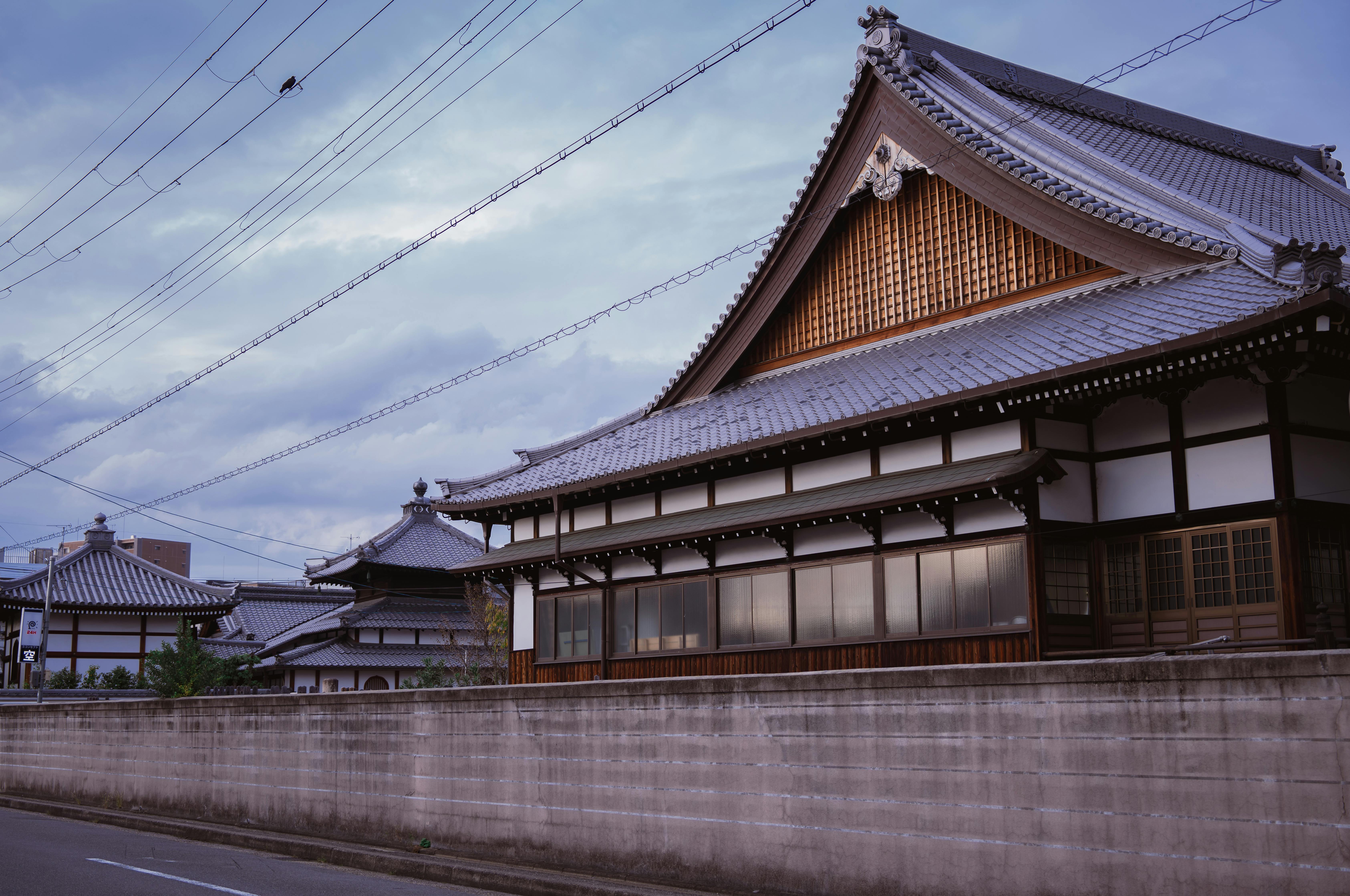 HOTEL FORZA KYOTO SHIJO KAWARAMACHI⭐ 4.0 · 9.1/10 (7,552) · $44 /night
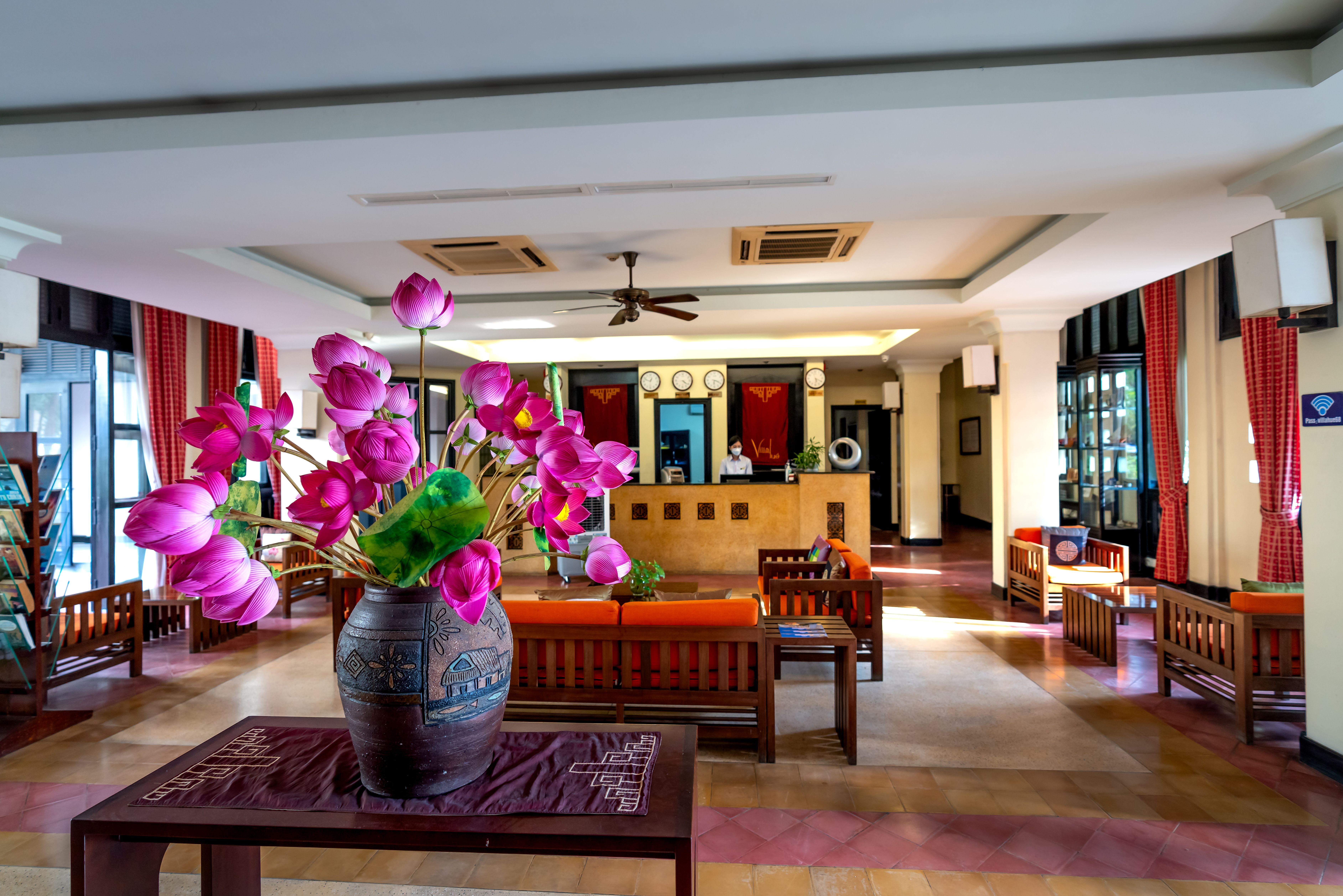 CANDEO HOTELS Kyoto Karasuma Rokkaku⭐ 4.0 · 8.9/10 (2,468) · $96 /night
 Kyoto Central Inn⭐ 3.0 · 8.0/10 (3,583) · $58 /night
Agoda affiliate link — clicks go to the price-comparison page.