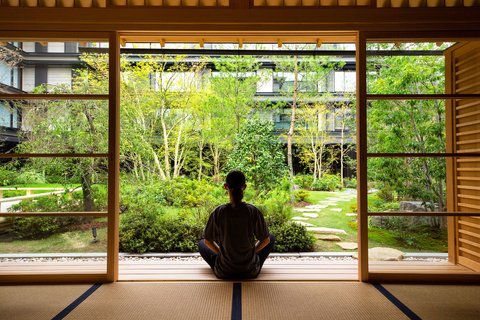
The Mitsui Kyoto sits on a plot of land that the Mitsui clan has held for three centuries — and the hotel, opened in 2020 on the edge of Nijo Castle, carries that weight quietly, without advertising it. The question worth asking before you tap “Reserve” on a ¥200,000 night: does the history, the design, and the breakfast actually reshape how Kyoto feels — or does the bill just feel heavy?
Best Timing
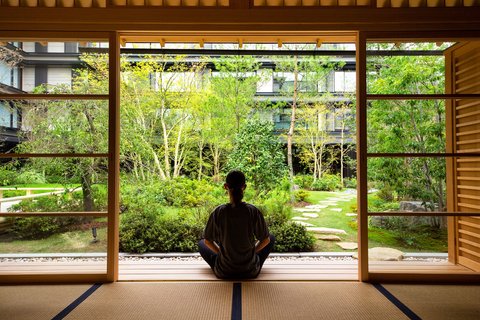
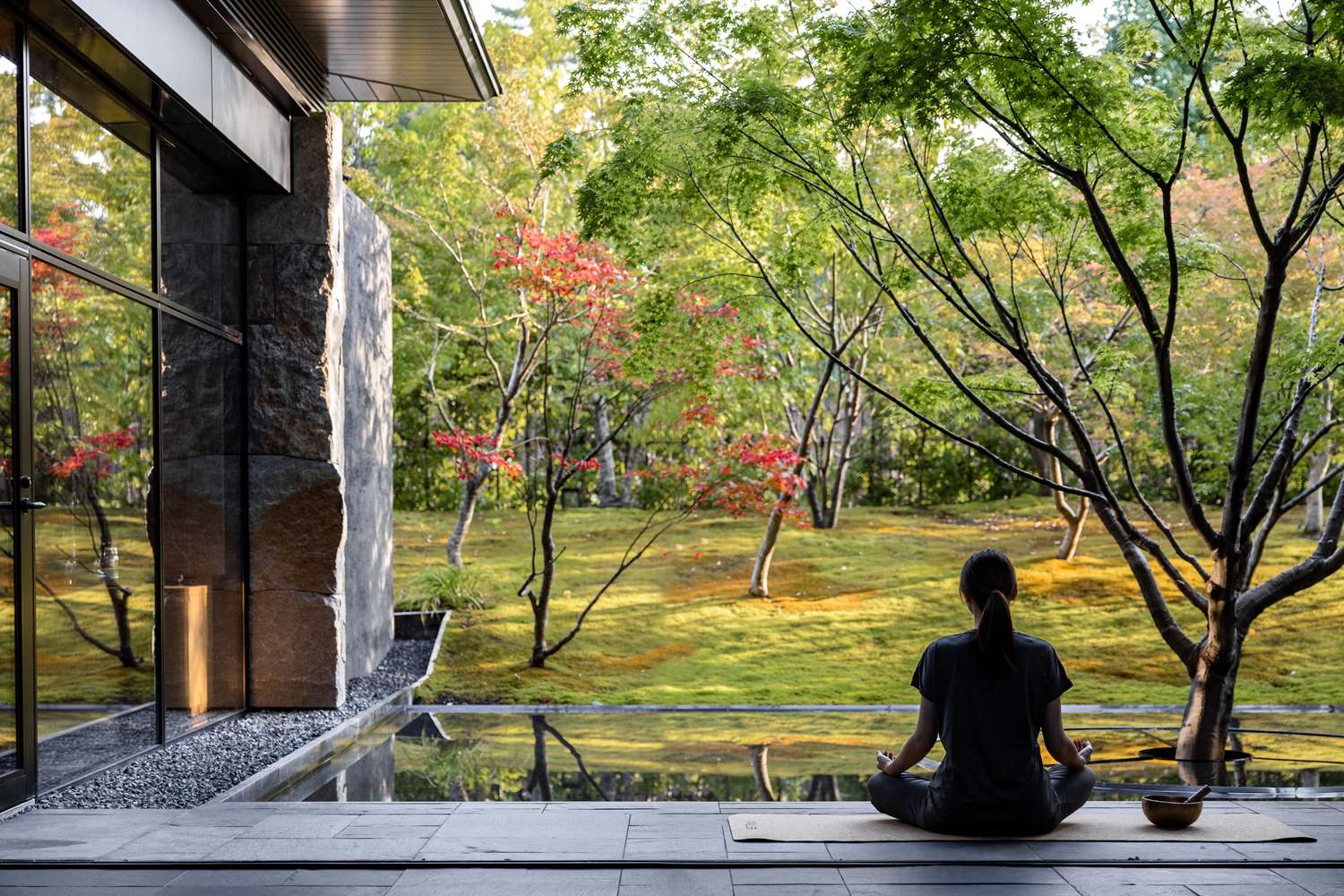
Kyoto’s shoulder seasons — mid-March through early April (cherry blossom) and mid-October through mid-November (autumn foliage) — are when The Mitsui Kyoto earns its rate most clearly. The garden facing the tatami suites transitions from pale pink to deep amber, and the morning light through shoji screens becomes something a photographer would plan a trip around. Nightly rates spike during peak foliage weeks (late November), sometimes clearing ¥250,000 for garden-view suites, so booking at least 60–90 days in advance is the practical floor, not a suggestion.
For a quieter experience at a slightly lower rate, early February offers frosted garden mornings and almost no crowds along Nijo Castle’s outer moat walk. Summer (July–August) is hot, humid, and busy with domestic tourism — the hotel manages it well, but the streets immediately outside do not.
Core Experiences
The Check-In Corridor & Garden-View Suite
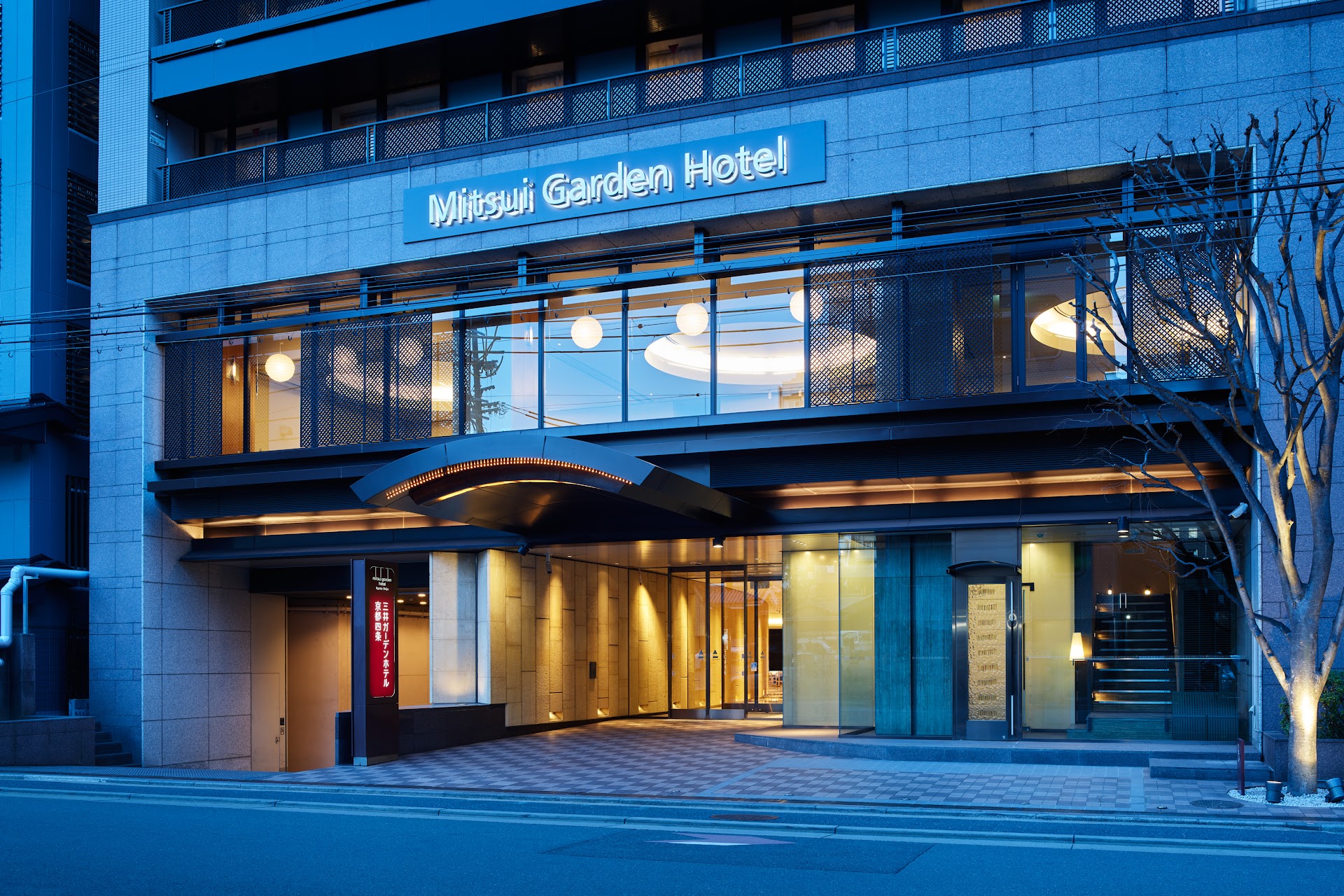
The arrival sequence at The Mitsui Kyoto is deliberately slow. Guests enter through a pale Oya stone corridor — a volcanic tuff quarried from Tochigi Prefecture — that immediately lowers the ambient temperature and the noise level. Staff greet by name before reaching the front desk. The suites facing the inner garden (the Tokiwa-style garden, restored from the Edo-period Mitsui estate) are the rooms the hotel is actually selling, even if it doesn’t say so. A Tokiwa Suite at roughly 72 square meters includes a tatami ante-room, a soaking tub positioned to face garden greenery, and window proportions that feel designed by someone who understood stillness. At this price point, the room is not competing on size — it’s competing on composition.
- 📍 Nakagyo Ward, Kyoto (2-minute walk from Nijojo-mae subway station)
- 💰 ¥80,000–¥220,000 per night depending on room type and season
- ⏰ Check-in: 15:00 / Check-out: 12:00
- ⭐ 4.8 / 5.0 (aggregate traveler reviews)
What locals know: Request a room on floors 3–5 facing the garden, not the street side. The difference in morning light quality is significant, and the hotel will note the preference at booking if asked directly.
Mizuki — The Hotel’s Kaiseki Dining Room
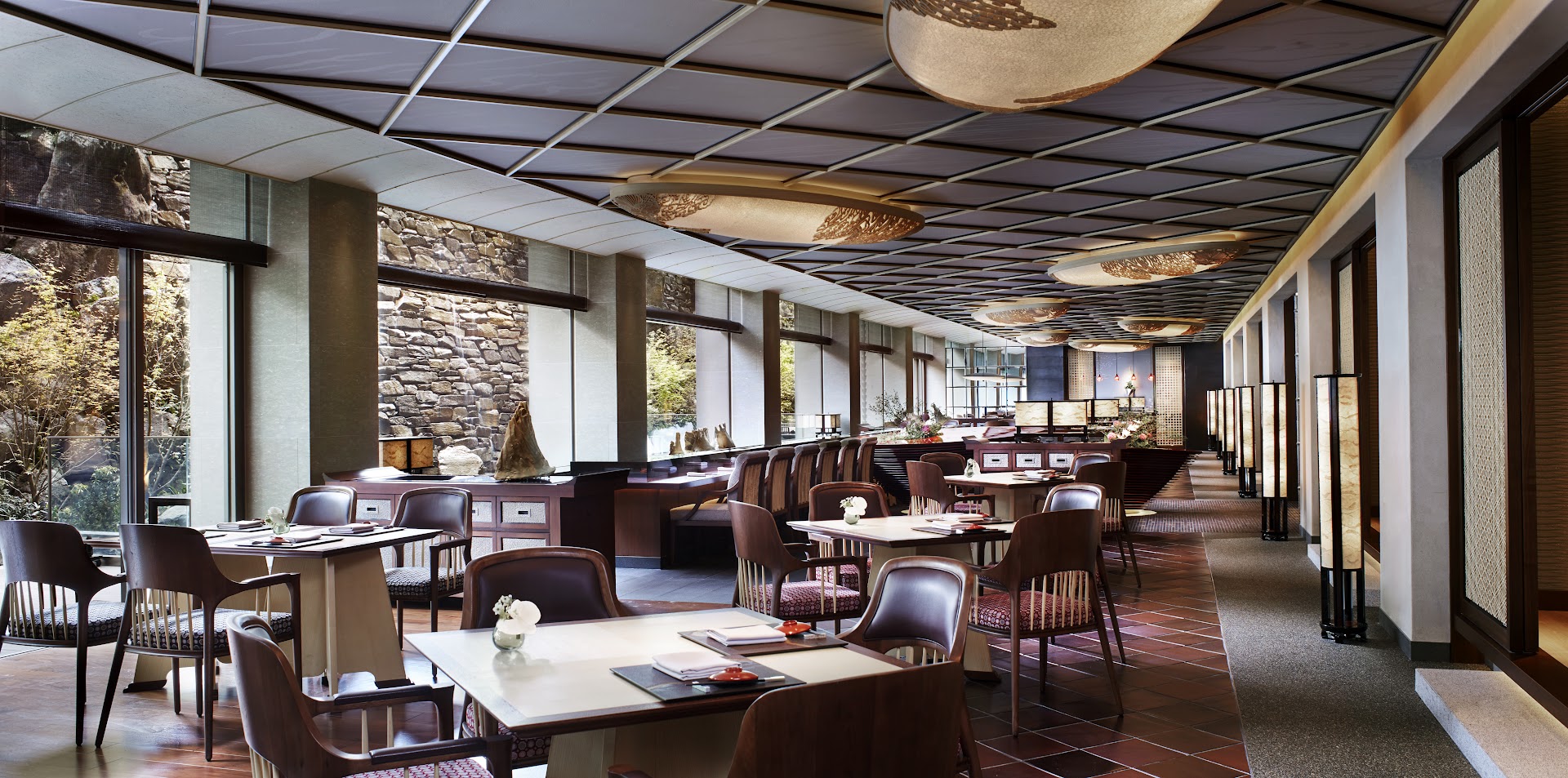
Mizuki, the hotel’s Japanese fine-dining venue, operates on the principle that breakfast and dinner should feel like two different conversations with the same city. The kaiseki dinner menu (¥25,000–¥35,000 per person, seasonal) draws on Kyoto’s kyo-yasai heritage vegetables — Kamo eggplant, Kujo green onion, Shogoin turnip — and presents them with the kind of restraint that makes ingredient quality the only argument on the plate. The breakfast service, however, is the more revealing meal: a traditional Japanese breakfast of grilled fish, tofu in dashi, pickled vegetables, and rice arrives on lacquerware that the hotel commissioned specifically for Mizuki. It’s the breakfast that tells you most clearly what the hotel believes Kyoto is.
- 📍 Inside The Mitsui Kyoto, ground floor
- 💰 Breakfast: ¥5,500–¥8,000 (add-on to room rate) / Dinner kaiseki: ¥25,000–¥35,000
- ⏰ Breakfast 07:00–10:00 / Dinner 18:00–21:30
- ⭐ 4.7 / 5.0
What locals know: The counter seats at Mizuki — there are only four — face the open kitchen and are the best vantage point for watching the kitchen’s morning prep rhythm. Worth requesting at reservation.
Nijo Castle & the 10-Minute Walk
The Mitsui Kyoto’s most underplayed selling point is its address. Nijo Castle (Nijo-jo), a UNESCO World Heritage Site dating to 1603, is a literal two-minute walk from the hotel entrance. Most luxury hotels in Kyoto position themselves near Gion or Higashiyama — historically evocative, but crowded by 9 a.m. Nijo opens at 08:45, which means a guest who exits the hotel at 08:30, after a quiet breakfast, arrives before the tour groups. The castle’s ninomaru palace, with its famous “nightingale floors” (uguisubari) that creak intentionally to alert inhabitants to intruders), is a piece of living architectural security theater that still works as intended. Standing in the shogun’s reception hall with three other people at 08:50 a.m. is a different experience than standing in it at 11:00 a.m. with 200.
- 📍 541 Nijojocho, Nakagyo Ward, Kyoto
- 💰 ¥1,300 adults (includes palace interior)
- ⏰ 08:45–17:00 (last entry 16:00), closed Tuesdays in Jan/Jul/Aug/Dec
- ⭐ 4.5 / 5.0
What locals know: The castle’s seiryu-en garden on the east side receives far fewer visitors than the ninomaru garden. It’s a Showa-era addition, less famous, and often completely empty by 09:15.
The Tōzan Bar & Sake Library
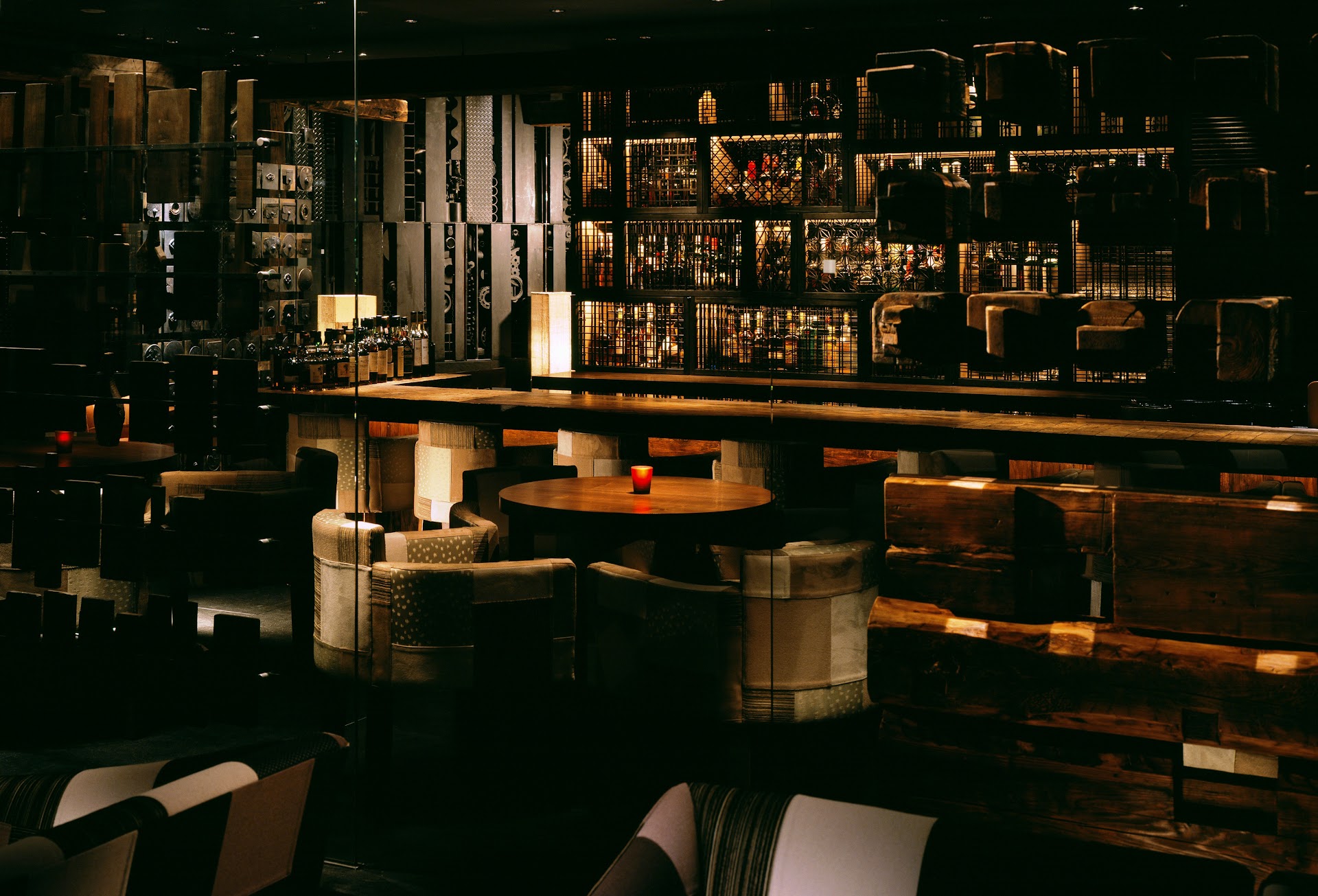
The Mitsui Kyoto’s Tōzan Bar is housed in a space that retains the original kura (storehouse) timber structure of the Mitsui estate. The bar’s sake program is one of the more serious in the city’s hotel landscape — over 100 labels, organized by prefecture and rice variety, with staff trained to walk guests through the difference between a junmai daiginjo from Fushimi (Kyoto’s brewing district, just 30 minutes south) and one from Niigata. It is a slow-evening room: dim, lacquered wood, low seating, and a cocktail menu that pairs Japanese whisky with local ingredients in ways that don’t feel forced. The sake flight (¥3,500 for three pours) is the most efficient way in.
- 📍 Inside The Mitsui Kyoto, lobby level
- 💰 Sake flights from ¥3,500 / Cocktails ¥2,200–¥3,800
- ⏰ 17:00–23:00 (last order 22:30)
- ⭐ 4.6 / 5.0
What locals know: Wednesday and Thursday evenings tend to be the quietest. Weekend evenings draw a mix of hotel guests and Kyoto’s wealthier dining-out crowd, which changes the room’s atmosphere noticeably.
The Mitsui Spa & Onsen
The hotel’s spa occupies the basement level and includes two private onsen suites — indoor stone tubs fed by water brought in from the Arashiyama area — alongside treatment rooms offering a menu that leans heavily on Japanese skin-care traditions (rice bran exfoliation, camellia oil treatments). The onsen suites are bookable by the hour for hotel guests (¥8,000–¥12,000 per 60-minute session), and unlike a public sento, the privacy and water temperature are entirely controllable. For the target traveler — not a spa maximalist, but someone who wants the onsen experience without the public bath protocol — this is the most accessible version Kyoto offers at a luxury tier.
- 📍 Basement level, The Mitsui Kyoto
- 💰 Private onsen suite: ¥8,000–¥12,000/hour / Spa treatments from ¥18,000 (90 min)
- ⏰ 10:00–21:00 (last booking 20:00)
- ⭐ 4.7 / 5.0
What locals know: Book the private onsen for early morning (10:00–11:00) rather than evening — the light through the small garden window adjacent to some suites is at its best, and the spa is at its quietest.
Recommended Route
A one-night stay at The Mitsui Kyoto is best structured to extract maximum value from the hotel’s own programming and its address.
Day of Check-In:
- 15:00 — Check in. Take 20 minutes to sit in the garden-facing room before doing anything else. The decompression is part of the value.
- 17:30 — Head to Tōzan Bar for the sake flight while the bar is still quiet. Order one cocktail alongside.
- 19:00 — Dinner at Mizuki (reserve in advance — the kaiseki requires a 48-hour booking window).
- 21:30 — Return to the bar or the room. The garden is lit at night; worth a look from the window before sleep.
Morning After:
- 07:00 — Japanese breakfast at Mizuki. Take the full hour.
- 08:30 — Walk to Nijo Castle (2 min on foot).
- 08:45 — Enter at opening. Spend 45–60 minutes in the ninomaru palace and the less-visited east garden.
- 10:00 — Return to the hotel. Book the private onsen for 10:00–11:00 if reserved.
- 12:00 — Check out. Optional: the Kyoto Gyoen National Garden (the former imperial park) is a 10-minute walk east and free — a useful decompression before heading to Kyoto Station.
Budget · Transport · Booking
Room: ¥80,000–¥220,000 per night (Tokiwa Suite peak season at the upper end). Standard rooms start lower but lack the garden-facing composition.
Meals: Dinner at Mizuki, ¥25,000–¥35,000 per person. Breakfast add-on, ¥5,500–¥8,000. Tōzan Bar sake flight, ¥3,500.
Experiences: Nijo Castle, ¥1,300. Private onsen, ¥8,000–¥12,000.
Total realistic 1-night budget (two people): ¥250,000–¥350,000 all-in, including room, both meals at the hotel, bar, and castle entry.
Getting there: The hotel is a 2-minute walk from Nijojo-mae Station on the Tozai subway line (from Kyoto Station, approximately 15 minutes, ¥260). Taxis from Kyoto Station run ¥1,200–¥1,800 depending on traffic. For arrivals from Tokyo by Shinkansen, Kyoto Station is the natural entry point — the Hikari takes approximately 2 hours 20 minutes from Tokyo (¥13,850 unreserved).
Booking notes: Direct booking via the hotel website occasionally offers breakfast inclusion or early check-in not available through OTAs. Kaiseki dinner at Mizuki requires a 48-hour advance reservation minimum; during peak season (cherry blossom, autumn foliage), 2–3 weeks is closer to practical reality. The private onsen books out quickly on weekends — reserve at the same time as the room.
Must-Know Tips
- 🗓️ Book 60–90 days ahead for peak foliage (mid-November) and cherry blossom (late March–early April). Rates are non-negotiable during these windows; the hotel does not discount.
- 💴 Cash for Nijo Castle — the entrance booth accepts cash only. Carry ¥1,500–¥2,000 per person.
- 👟 Wear slip-on shoes to Nijo Castle. The ninomaru palace requires removing shoes repeatedly across multiple halls — laces slow you down noticeably.
- 📷 Photography inside Mizuki is permitted but the lighting is dim and intimate — phone cameras struggle. The garden and corridor are better subjects and more accommodating of a longer lens.
- 🗣️ English service at the hotel is strong — all front-desk staff are fluent. Outside the hotel, in the Nijo neighborhood specifically, English is less common than in Gion or Arashiyama. A translated note with your destination (in Japanese) is useful for local taxis.
- 🍶 The sake at Tōzan Bar is priced honestly — a pour of well-regarded junmai daiginjo here is comparable to what a specialist sake bar in Gion would charge. It is not hotel-inflated.
Closing
The Mitsui Kyoto does not try to be the most dramatic hotel in a city full of dramatic options. It tries to be the most considered — and that restraint, translated into pale stone and garden light and a breakfast that arrives on lacquerware with no theater attached, is what the rate is actually buying. Whether ¥200,000 changes how you see Kyoto depends on whether you’re prepared to slow down enough to let the hotel show you something. For the traveler who arrives with that willingness, the answer is yes — measurably, specifically yes.
Actionable takeaway: If the full suite rate is beyond the budget ceiling, book the smallest room category facing the garden, skip the spa, and put the savings toward the kaiseki dinner. The breakfast-plus-Nijo-Castle-at-opening sequence is free to structure regardless of room type — and it is, by itself, worth the address.
🏨 Where to Stay
 Hotel Resol Kyoto Kawaramachi Sanjo⭐ 3.5 · 8.9/10 (4,695) · $148 /night
 HOTEL FORZA KYOTO SHIJO KAWARAMACHI⭐ 4.0 · 9.1/10 (7,578) · $110 /night
 CANDEO HOTELS Kyoto Karasuma Rokkaku⭐ 4.0 · 8.9/10 (2,475) · $129 /night
Agoda affiliate link — clicks go to the price-comparison page.