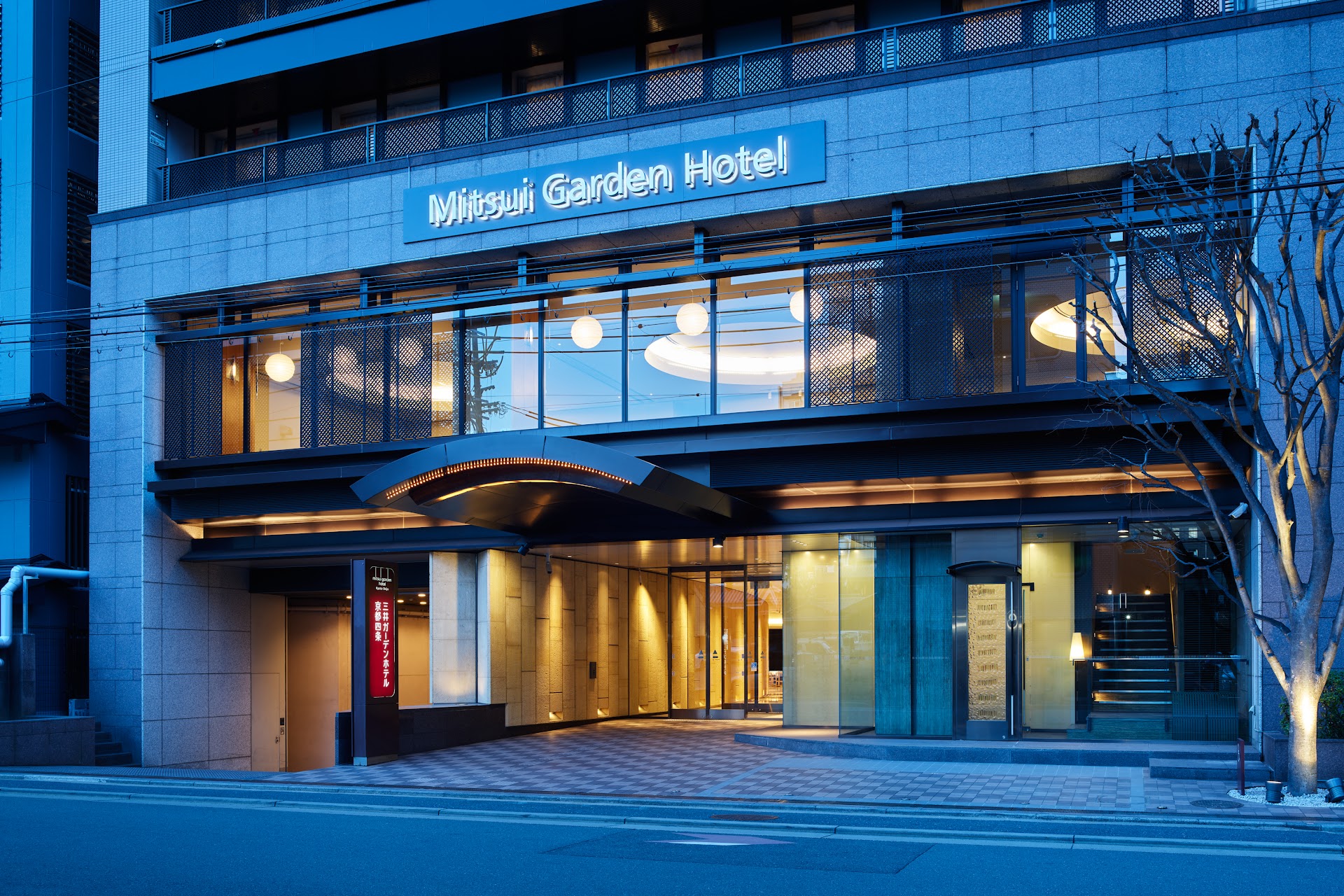
There are hotels that offer luxury, and then there are hotels that offer history you can actually sleep inside. The Mitsui Kyoto sits firmly in the second category — a property built around a 300-year-old private garden once belonging to one of Japan’s most powerful merchant clans, now asking ¥150,000 (~$1,000 USD) per night for the privilege. The question worth asking before you tap “Reserve”: does the rate hold?
Best Timing
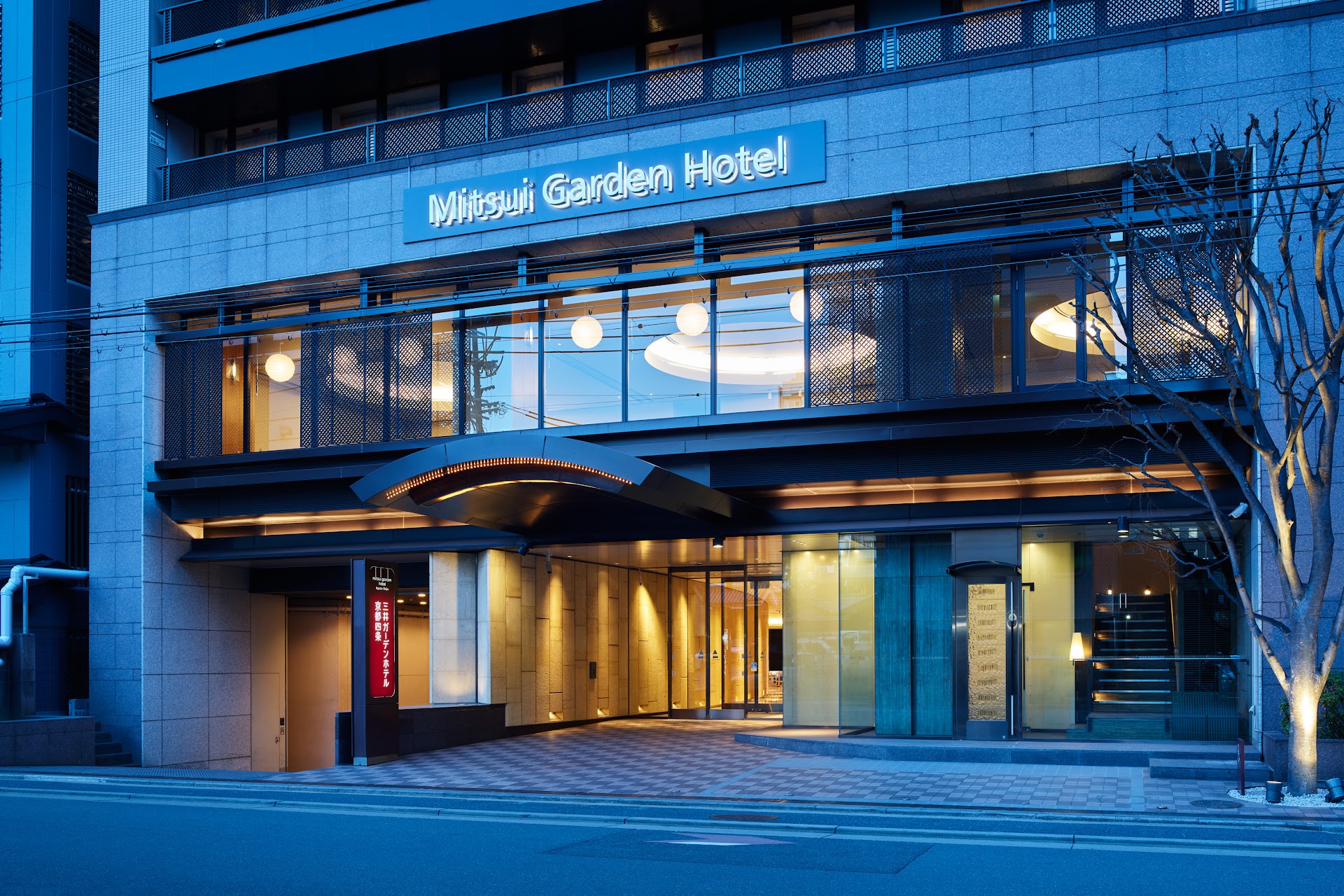
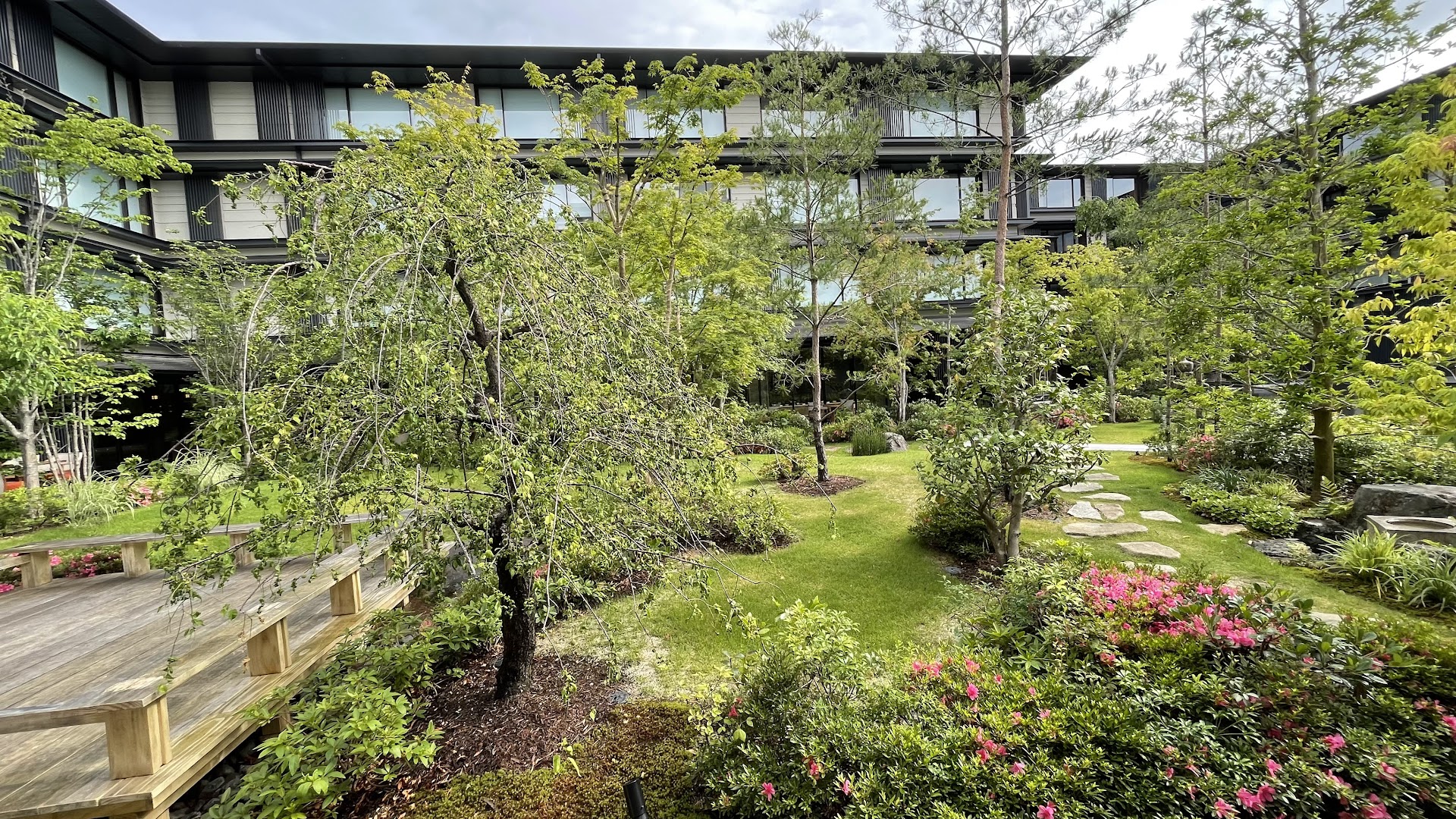
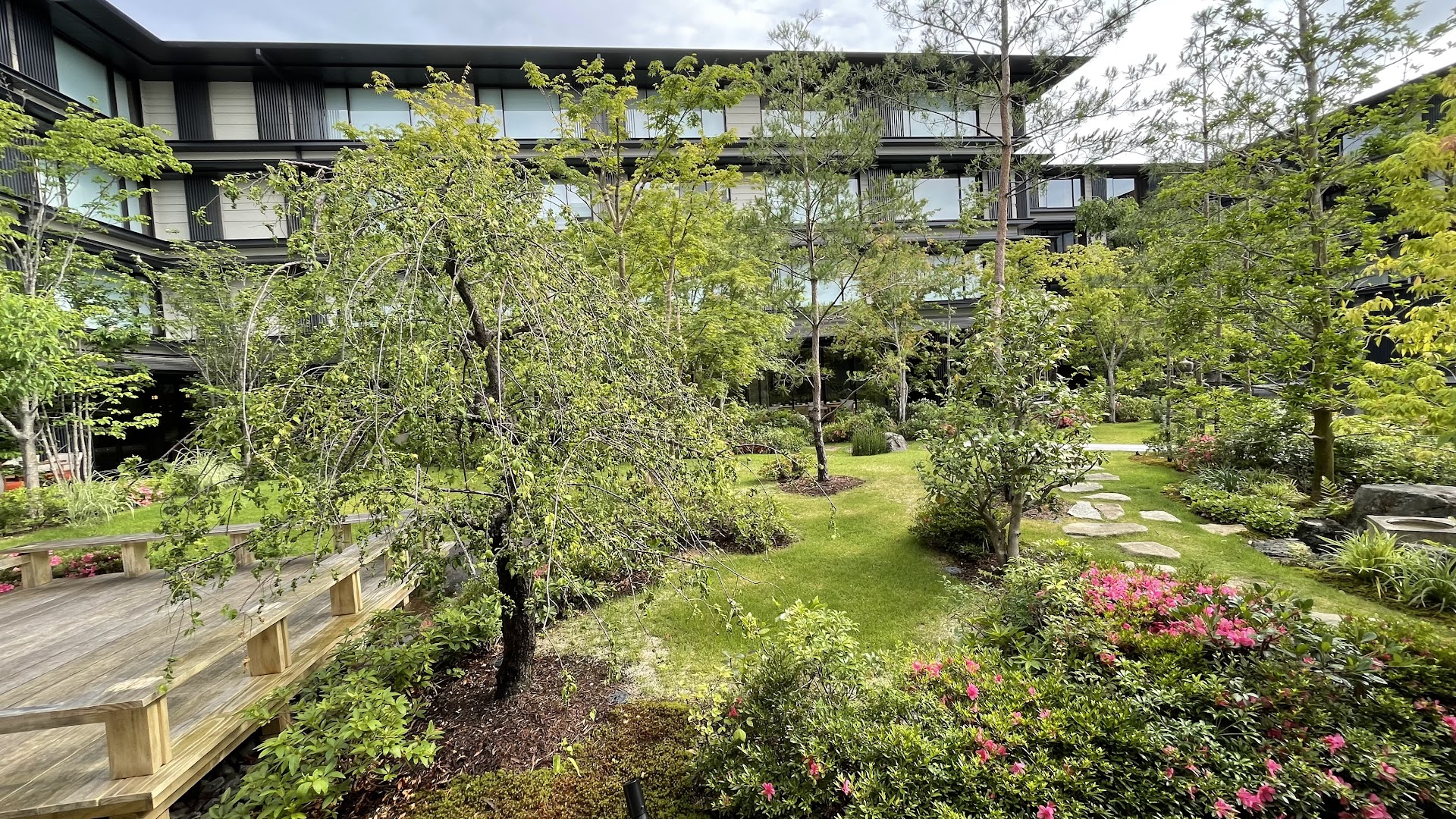
The Mitsui Kyoto earns its rate most convincingly in mid-March through mid-April (cherry blossom season) and early November (peak autumn foliage). During these windows, the inner courtyard garden transforms into something genuinely cinematic — blossoms or crimson maples reflected in the still surface of the pond, morning light arriving at an angle that makes the stone lanterns look painted. Expect rooms to sell out 3–4 months in advance during these peaks; June and September offer the same architecture and service at slightly lower occupancy and occasionally softer rack rates.
For daily timing, the hotel rewards early risers. The garden and inner courtyard are quietest between 6:30 and 8:00 a.m., before organized tours and late check-outs disturb the atmosphere. That first hour of morning light over the koi pond is, by most accounts, the single strongest argument for the nightly rate.
Core Experiences
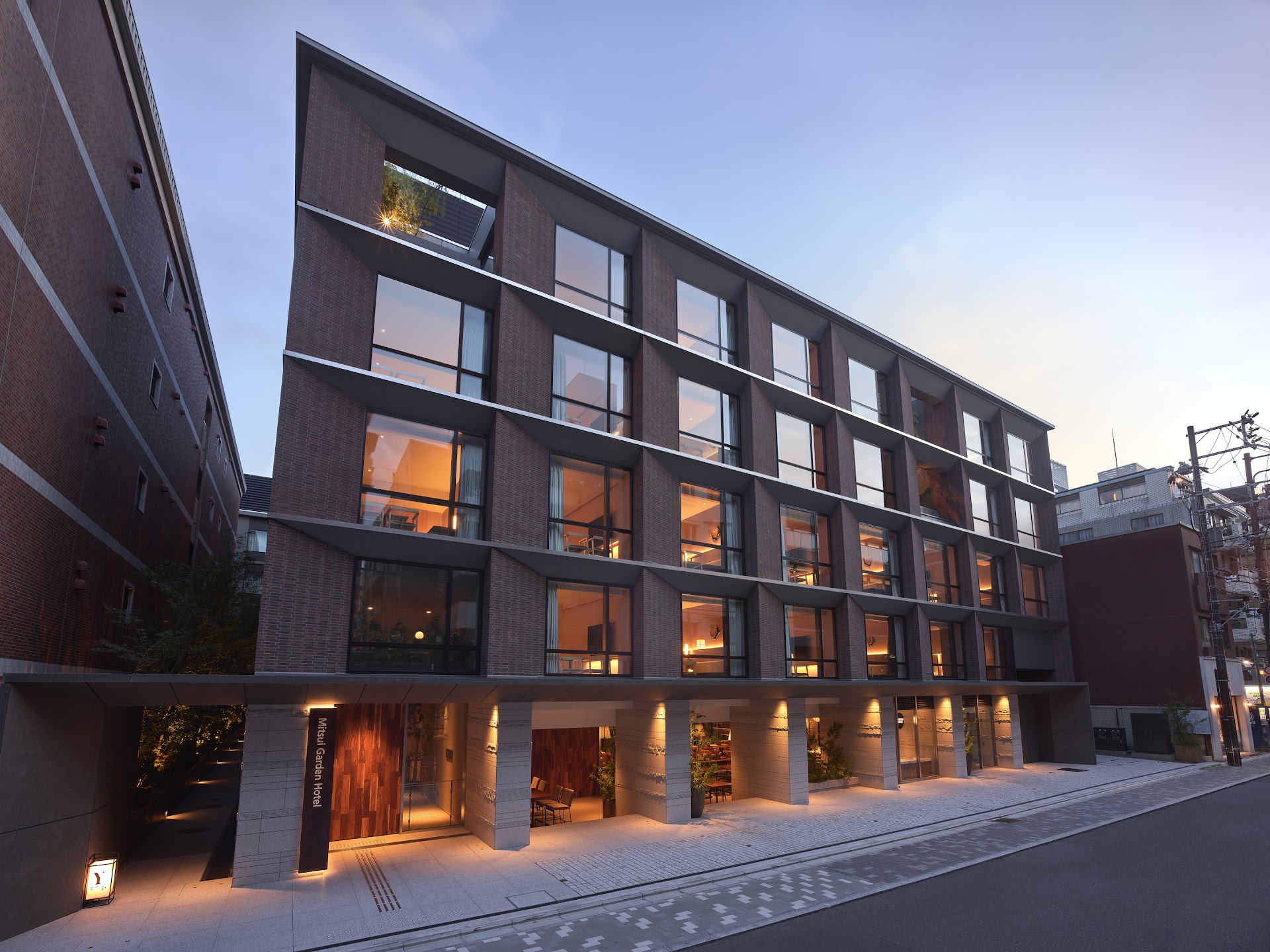
The Mitsui Garden (Inner Courtyard)
At the physical and philosophical center of the property sits the garden — not a decorative afterthought, but the original reason the land is valuable at all. The Mitsui clan cultivated this space for over three centuries, and the current hotel was designed around preserving it rather than building over it. Moss-covered stone pathways wind past a central pond, traditional stone lanterns, and a teahouse pavilion that anchors one corner of the grounds. The garden changes register completely depending on season and hour: silver-grey at dawn, deep amber under autumn afternoon light. It is the one feature that no competitor in Kyoto can replicate.
- 📍 Central courtyard, accessible from the lobby and all wing corridors · 💰 Included with stay · ⏰ Open to guests 24 hrs · ⭐ 4.9
- What locals know: The northeast corner of the garden, near the stone water basin, receives the last direct light of the afternoon — a detail worth knowing if you want unobstructed photography before golden hour ends.
YUKI — The Signature Restaurant
The hotel’s flagship dining room, YUKI, serves a kaiseki-influenced menu that sources its seasonal ingredients from Kyoto’s Nishiki Market suppliers and local farm networks in the Tamba region. The dining room itself is a deliberate contrast to the warm garden exterior — pale limestone walls, brushed brass fixtures, linen the color of unbleached washi paper. Breakfast here is arguably the most revealing hour of the stay: a spread of grilled Kyoto-style tofu, dashi tamago, pickled seasonal vegetables, white rice, and miso soup that tells you more about the city’s culinary restraint than any restaurant tour could. The ¥6,500 breakfast set is steep, but included for many room tiers.
- 📍 Ground floor, north wing · 💰 Breakfast ¥6,500 / Kaiseki dinner from ¥28,000 per person · ⏰ Breakfast 07:00–10:00, Dinner 18:00–21:30 · ⭐ 4.7
- What locals know: Request a table along the interior garden-facing window for dinner — only four such tables exist, and they are not automatically assigned even to suite guests without a specific ask at check-in.
The Spa & Onsen Facility
The wellness floor sits one level below the lobby, insulated from the hotel’s public sounds by thick concrete and careful acoustic design. The centrepiece is a private onsen suite — a hinoki cypress tub set in a room with a garden-view window that can be booked in 90-minute private slots, separate from the shared thermal bath facilities available to all guests. The mineral water is sourced from a designated well beneath the property, a detail the hotel takes care to document. Treatments run from a 60-minute Kyoto botanical oil massage (¥22,000) to multi-step facial protocols using sake-lees extract, a quietly distinctive ingredient that appears throughout the product line.
- 📍 Lower ground floor, accessible via dedicated elevator · 💰 Shared onsen included with stay / Private hinoki suite ¥18,000 per 90 min · ⏰ 06:00–23:00 daily · ⭐ 4.8
- What locals know: The shared bath is least crowded between 06:15 and 07:00 — most guests prioritize breakfast at that hour, leaving the thermal pools nearly empty.
The Deluxe Garden-View Room
The entry point for the ¥150,000 rate is typically a Deluxe Garden-View Room at roughly 48 sqm — not outsized by Tokyo standards, but thoughtfully proportioned for Kyoto. The room language is quiet and precise: shoji-screen panels filter morning light into soft geometry, the bed frame is low and wide with a firm futon-style mattress option available on request, and the bathroom pairs a deep soaking tub with heated floors and a window positioned so you can see the garden canopy. The minibar stocks local Kyoto craft beer alongside the standard spirits, and the in-room tea selection — twelve varieties, including a single-origin gyokuro from Uji — is taken seriously enough to come with a brewing time card. Press photos consistently flatter these rooms; the real space is smaller but more intimate.
- 📍 Garden wing, floors 2–4 · 💰 From ¥150,000/night (rack rate, double occupancy) · ⏰ Check-in 15:00 / Check-out 12:00 · ⭐ 4.8
- What locals know: Rooms ending in -05 on floors 3 and 4 have the most direct garden sightline without an obstructing roofline — worth specifying at reservation.
The 10-Minute Walk: Nijo Castle & Surroundings
One of The Mitsui’s strongest location arguments is what exists within a 10-minute walk of its front door. Nijo Castle (Nijō-jō), the UNESCO-listed 17th-century Tokugawa shogunate residence, sits less than 600 meters away — close enough that a pre-breakfast walk to its outer moat is a practical option rather than a half-day excursion. The castle grounds cover 275,000 square meters, and the Ninomaru Palace interior, with its famous “nightingale floors” (designed to squeak as an intruder alarm), remains one of Kyoto’s most architecturally distinctive interiors. Beyond the castle, the immediate neighborhood holds a cluster of small tofu specialty shops and a Kyoto-style morning market that operates Tuesday and Friday from 07:00.
- 📍 Nijō-jō, Nijojo-cho, Nakagyo-ku — 8 min walk from hotel entrance · 💰 Nijo Castle entry ¥1,300 · ⏰ 08:45–17:00 (last entry 16:00), closed Tue in Jan/Jul/Aug/Dec · ⭐ 4.6
- What locals know: The castle’s inner garden, Seiryu-en, is rarely crowded even in peak season because most visitors exit after the Ninomaru Palace tour — it rewards the extra 20 minutes.
Recommended Route
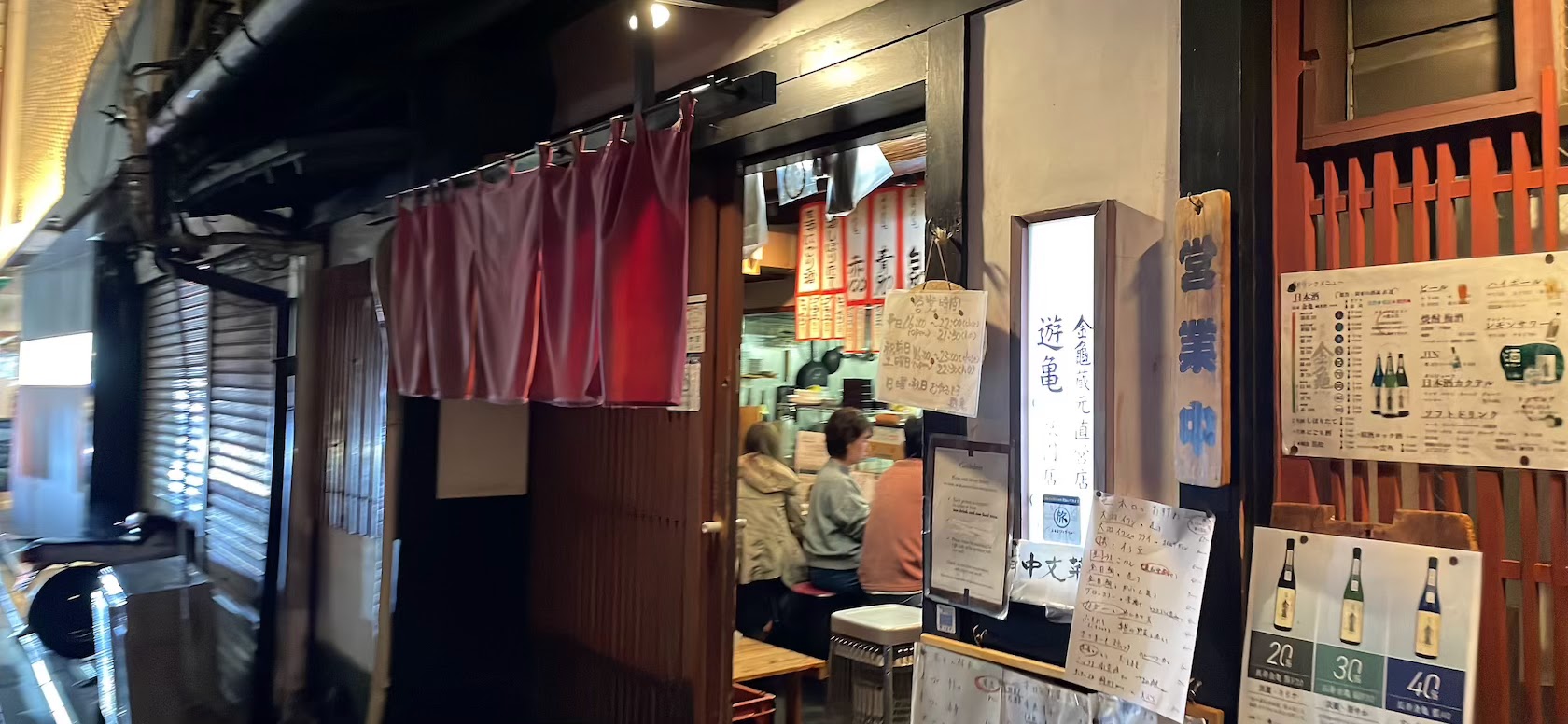
A full-day itinerary built around the hotel:
06:30 — Wake early, take tea from the in-room selection, and step into the inner garden before other guests are moving. Natural light on the pond surface at this hour is at its best. Allow 20–30 min.
07:15 — Breakfast at YUKI. Allow 60–75 min; this is not a rushed service. The pacing is part of the experience.
09:00 — Walk to Nijo Castle (8 min on foot). Visit the Ninomaru Palace interior and the garden. Allow 90 min.
10:45 — Return via the side streets, stopping at one of the Fuyacho-dori tofu shops for a standing soy-milk purchase (~¥200).
11:15 — Return to the hotel for the spa — book the private hinoki onsen suite in advance for a 12:00 slot. 90 min.
14:00 — Return to room. Afternoon rest, or venture further to Nishiki Market (25 min on foot or 10 min by taxi).
18:00 — Kaiseki dinner at YUKI. Reserve 2–3 months in advance for peak season.
20:30 — Evening garden walk. The courtyard is lit by low lantern fixtures after dark — underrated and almost always empty.
Budget · Transport · Booking
- 🏨 Room: ¥150,000/night (rack, Deluxe Garden View, double) — rates fluctuate; cherry blossom and autumn peak can reach ¥200,000+
- 🍽️ Breakfast: ¥6,500/person if not included in your room tier
- 🍽️ Dinner (YUKI kaiseki): ¥28,000–¥45,000/person depending on menu selection
- 🏯 Nijo Castle: ¥1,300/person
- 🚕 Airport transfer (KIX to hotel): ¥28,000–¥35,000 by private car; Haruka Express to Kyoto Station + taxi ≈ ¥4,500 total
- 💰 Estimated full-day spend (2 people, including room): ¥340,000–¥400,000
Booking notes: The hotel accepts direct reservations via their website and through major OTAs. For cherry blossom season (late March–mid April 2027), booking windows open approximately October–November 2026. The private onsen suite must be reserved separately, either at booking or immediately after check-in — it books out same-day regularly.
Must-Know Tips
- 🕐 Check-in time is 15:00, but luggage storage is seamless — arriving from Tokyo on a morning Shinkansen (arriving Kyoto ~10:00), there is no need to wait outside; the lobby and garden are accessible to stored-luggage guests.
- 💳 All major cards accepted at the hotel; however, the small tofu shops and the Tuesday/Friday street market nearby are cash-only — carry ¥5,000–¥10,000 in small bills.
- 📸 Photography in the garden is unrestricted for guests; the YUKI dining room asks that you avoid flash photography during dinner service, which is reasonable and easily respected.
- 👘 No formal dress code for dinner, but the room context makes smart-casual feel natural — casual sportswear reads visually out of register with the dining room.
- 🌐 English service is fluent at reception and concierge, notably including knowledge of specific room attributes — worth calling the concierge desk rather than relying solely on OTA room descriptions when selecting your room.
- 🏯 Nijo Castle is closed on specific Tuesdays in January, July, August, and December — check the official calendar at nijojo.net before planning a morning visit.
Closing
The Mitsui Kyoto does not attempt to compete on scale or spectacle — it competes on depth. The 300-year-old garden, the precise breakfast service, the hinoki tub, the nightingale floors within walking distance: these are not amenities assembled from a luxury checklist but things that exist because of where the building is and what it was built around. Whether ¥150,000 holds up depends entirely on what you’re measuring it against. Against a generic five-star with a rooftop bar, it’s hard to justify. Against a chance to wake up inside one of Kyoto’s oldest private estates and walk to a UNESCO castle before your coffee gets cold — the rate becomes, at minimum, a serious conversation.
The actionable takeaway: Book the Deluxe Garden-View room, specify a -05 room on floors 3–4, reserve the private onsen suite at the same time, and add a 06:30 garden walk to your first morning before breakfast. Those three decisions account for most of what the rate is actually paying for.
🏨 Where to Stay
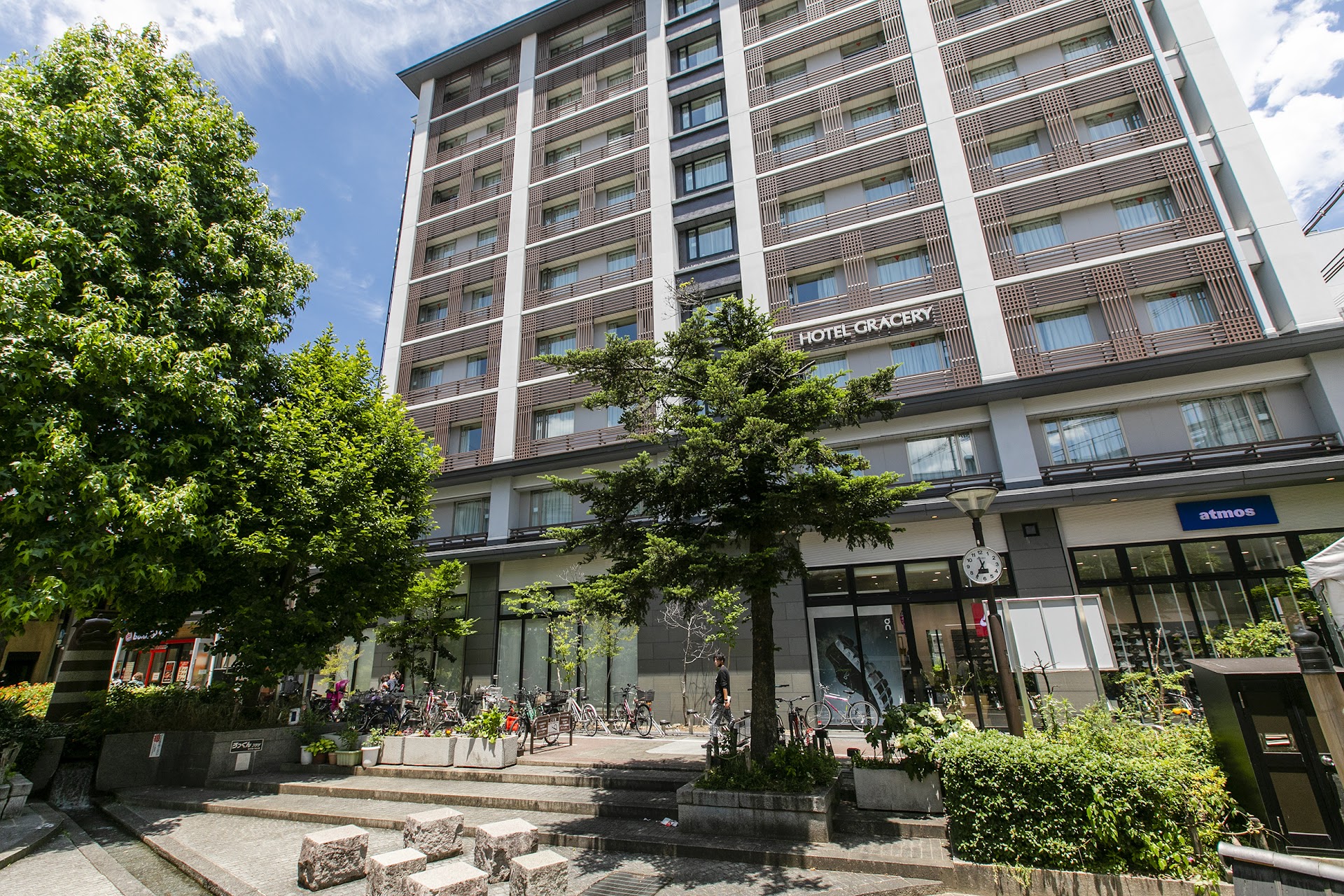
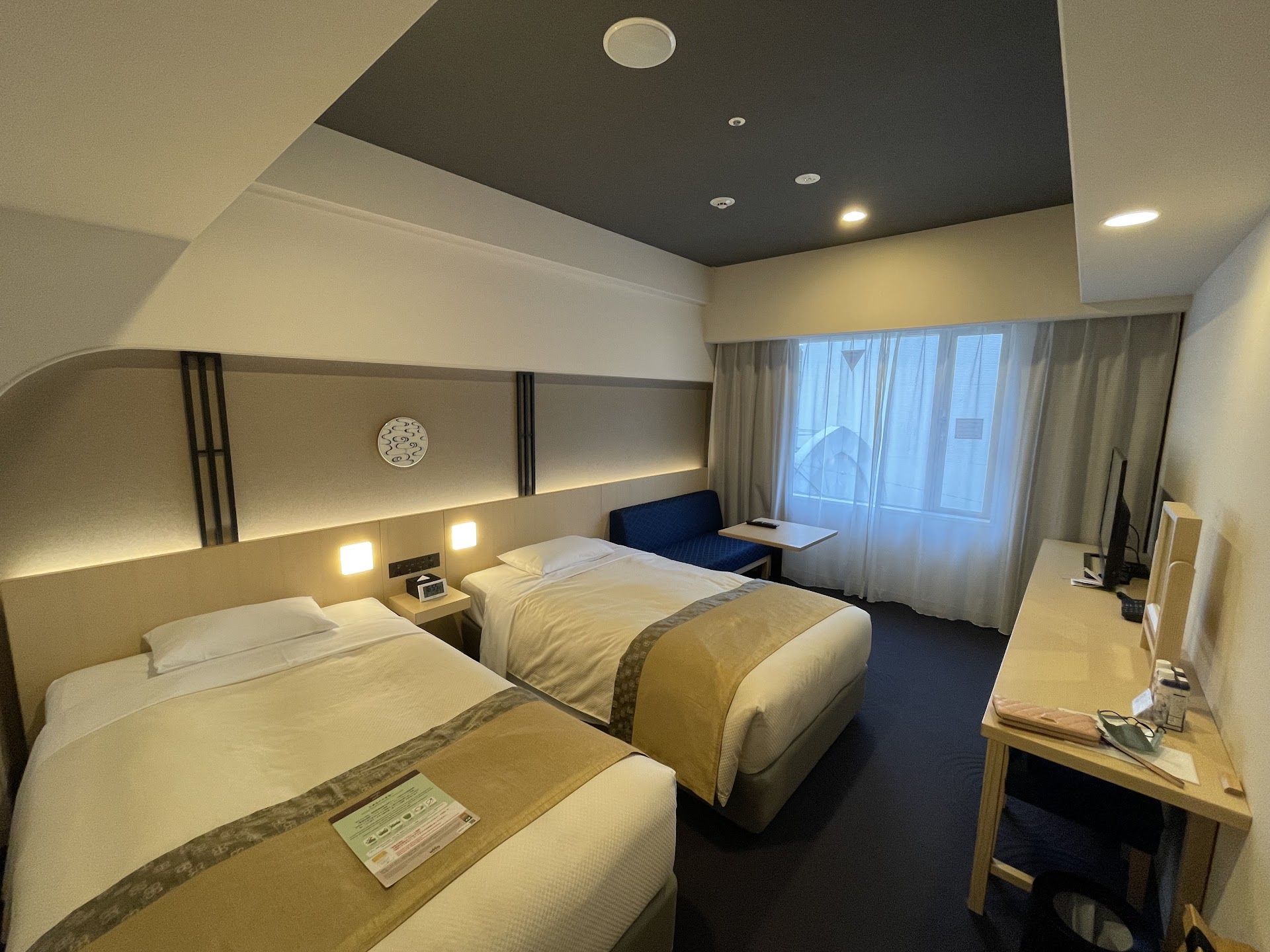 Hotel Gracery Kyoto Sanjo⭐ 4.0 · 9.0/10 (9,942) · $144 /night
 Cross Hotel Kyoto⭐ 4.0 · 9.2/10 (11,325) · $156 /night
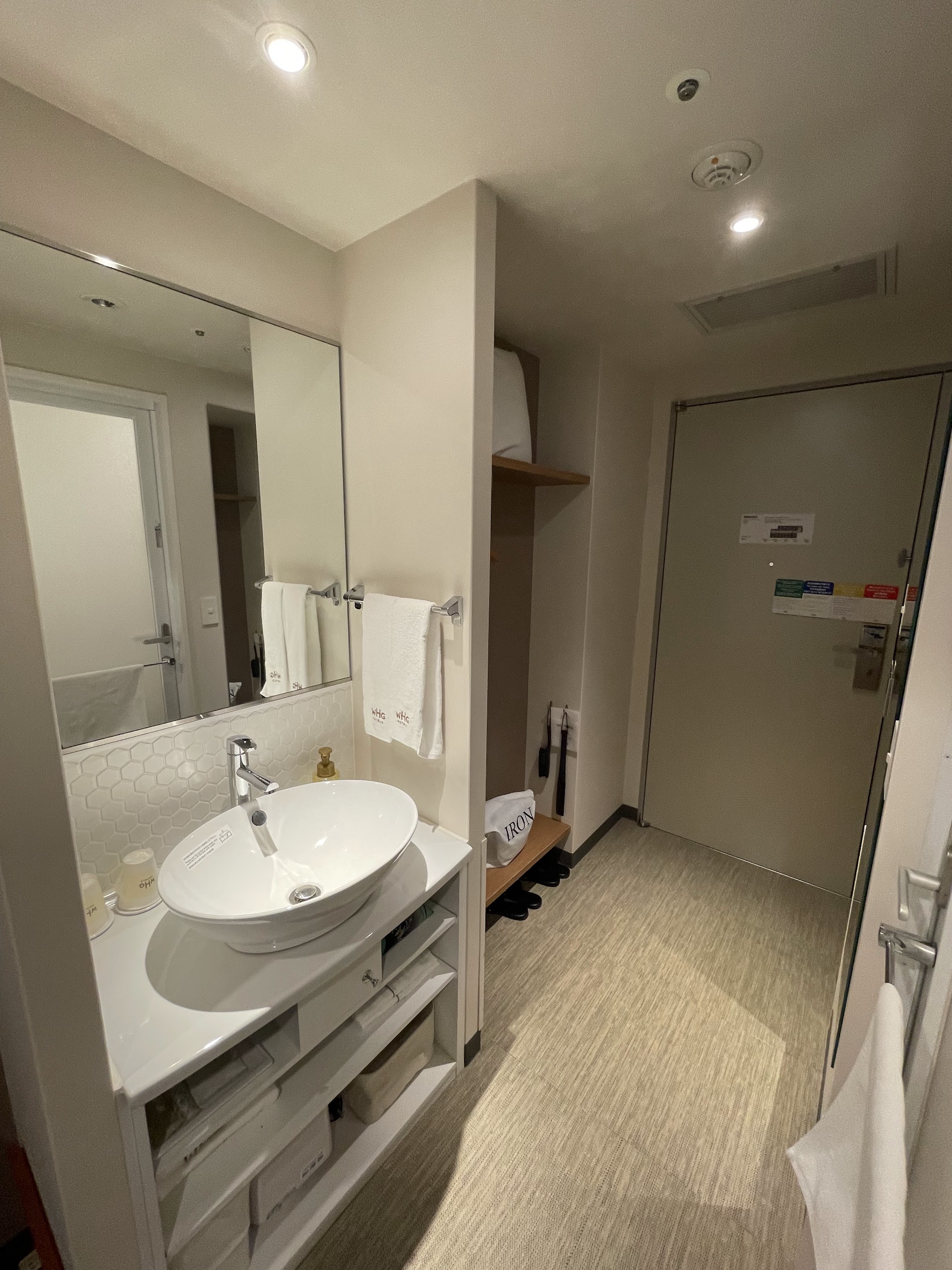 CANDEO HOTELS Kyoto Karasuma Rokkaku⭐ 4.0 · 8.9/10 (2,500) · $217 /night
Agoda affiliate link — clicks go to the price-comparison page.