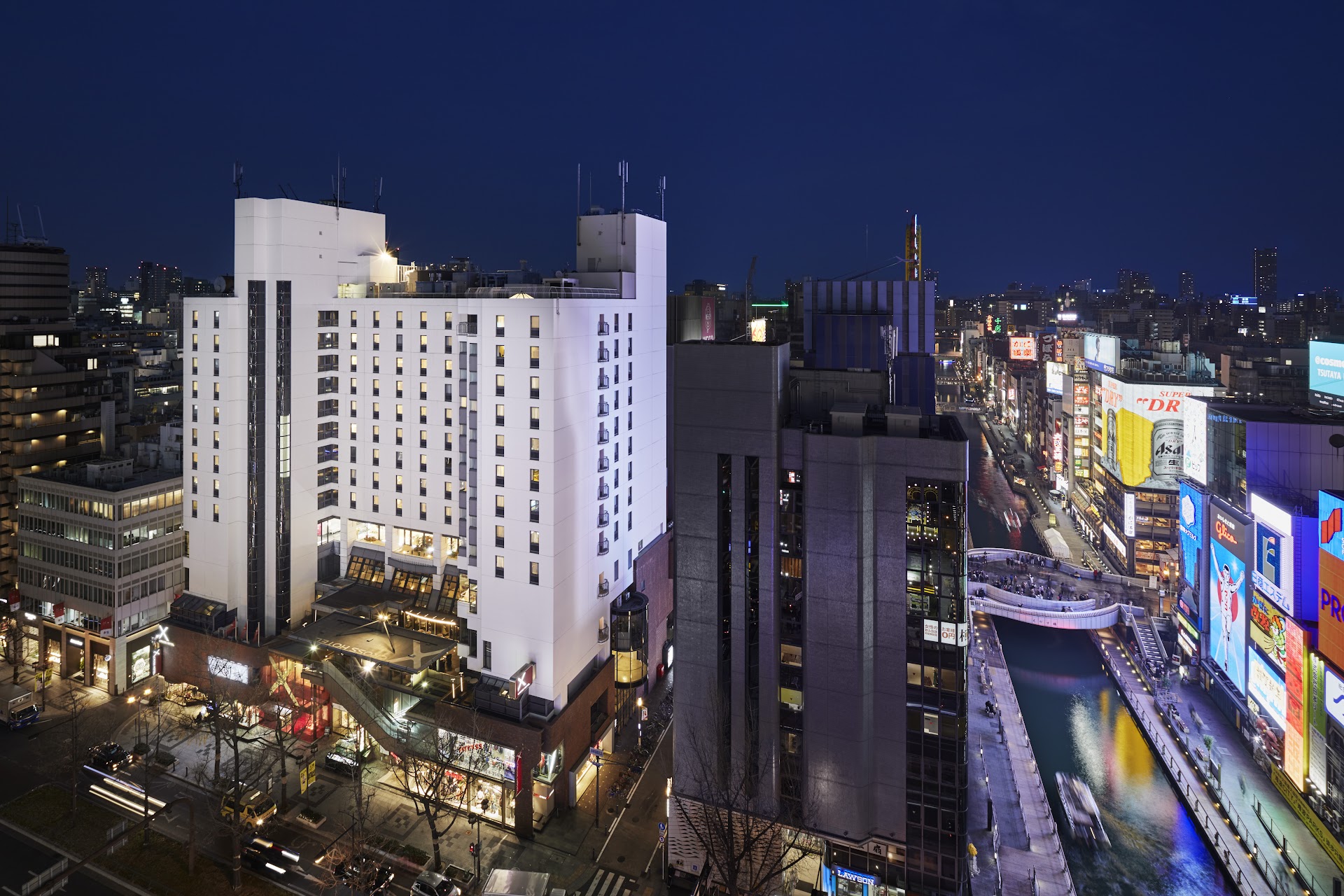
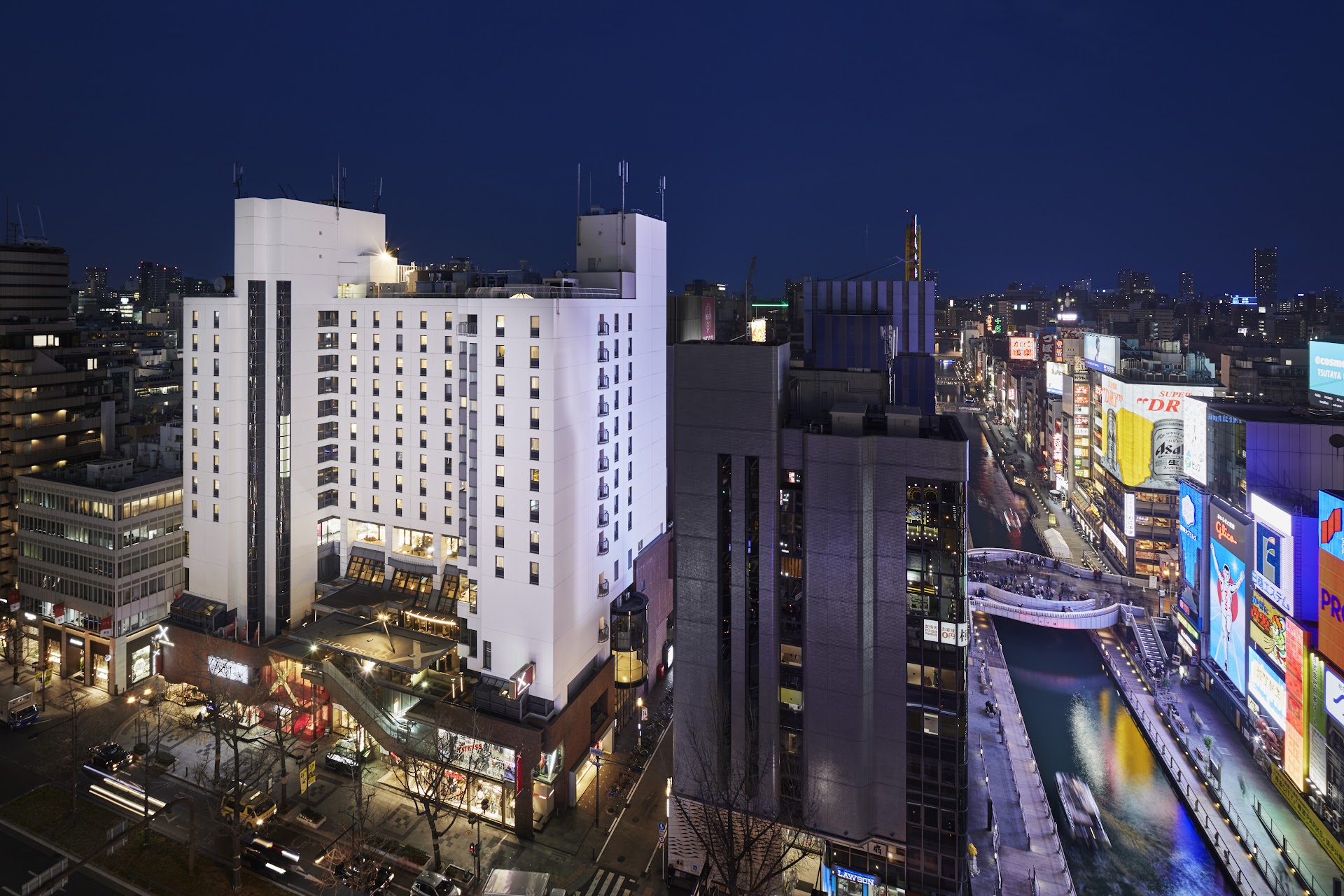
The canal doesn’t sleep. Stand at the Dotonbori bridge at any hour and the neon bleeds into the water — Glico Man mid-stride, crab claws spinning, the whole theatrical skyline of Osaka’s most compressed neighborhood. Cross Hotel Osaka sits directly above this circus, and the question isn’t whether the location is good. The question is whether paying a location premium actually earns its keep when you close the curtain and try to sleep.
Best Timing
Osaka runs warm and crowded from late July through August; the Dotonbori canal district in particular feels compressed to the point of discomfort on summer weekends. The sweet spots are mid-March to early April — cherry blossoms appear in Namba Parks and along the riverside walks — and October to November, when humidity drops, crowds thin on weekdays, and the neon looks its best against a cool charcoal sky. If you’re booking for cherry season, rates at canal-facing properties climb roughly 30–40% above shoulder-month prices; book at least eight weeks out.
For the hotel itself, the geometry of the building matters: canal-view rooms face east, which means early light floods in around 06:30 in spring and summer. That’s either a feature or a liability depending on how you feel about mornings. The lobby and breakfast floor, however, catch the quietest part of the day — the hour between 07:00 and 08:00 when the street below has not yet remembered it exists.
Core Experiences
Cross Hotel Osaka — Canal-View Rooms
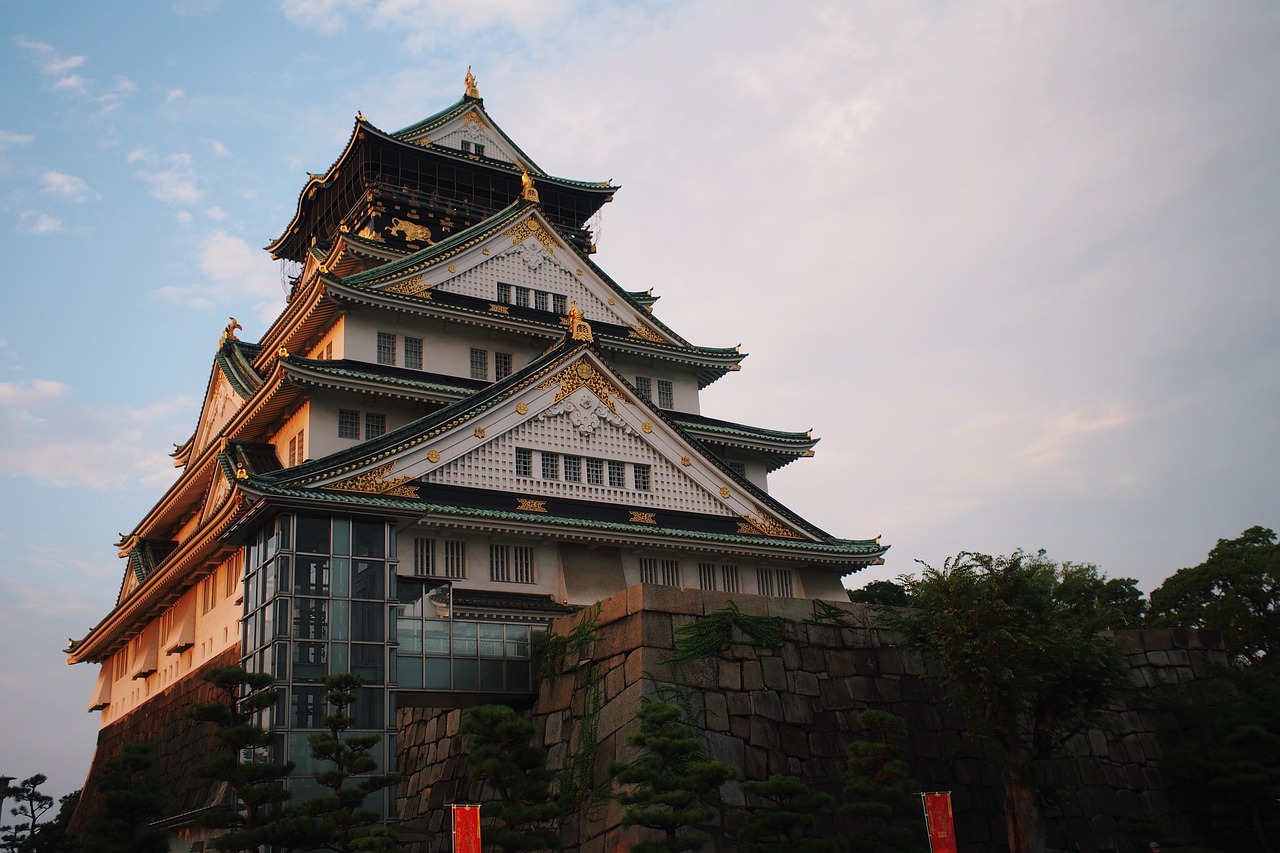
The property rises over the Dotonbori canal on Shinsaibashisuji, a location so central it borders on aggressive. The canal-facing room tier — labeled Superior Canal View in the booking matrix — runs roughly ¥18,000–¥28,000 per night depending on season and platform, which puts it in the upper-middle band for Namba-area business hotels. What justifies the delta over a quieter Namba business hotel at ¥12,000? The window. Floor-to-ceiling glass frames the canal and the illuminated Ebisu Bridge as a living painting; at 23:00, with the room light off, that view is genuinely cinematic. The room itself is compact — standard Tokyo-style efficiency, about 22–25 sqm in the entry tiers — with beds that are firmer than average and blackout curtains that do real work against the neon. Bathroom is a standard Japanese unit bath: clean, functional, not a selling point. The real product here is real estate, not square footage.
- 📍 1-3-22 Shinsaibashisuji, Chuo-ku, Osaka · 💰 ¥18,000–¥28,000/night (canal view) · ⏰ Check-in 15:00, check-out 11:00 · ⭐ 4.2 / 5 (Google)
- What locals know: Request a room on floors 7–10 for the best unobstructed canal angle — floors 3–5 are partially blocked by the bridge structure.
Dotonbori Canal Walk & Ebisu Bridge
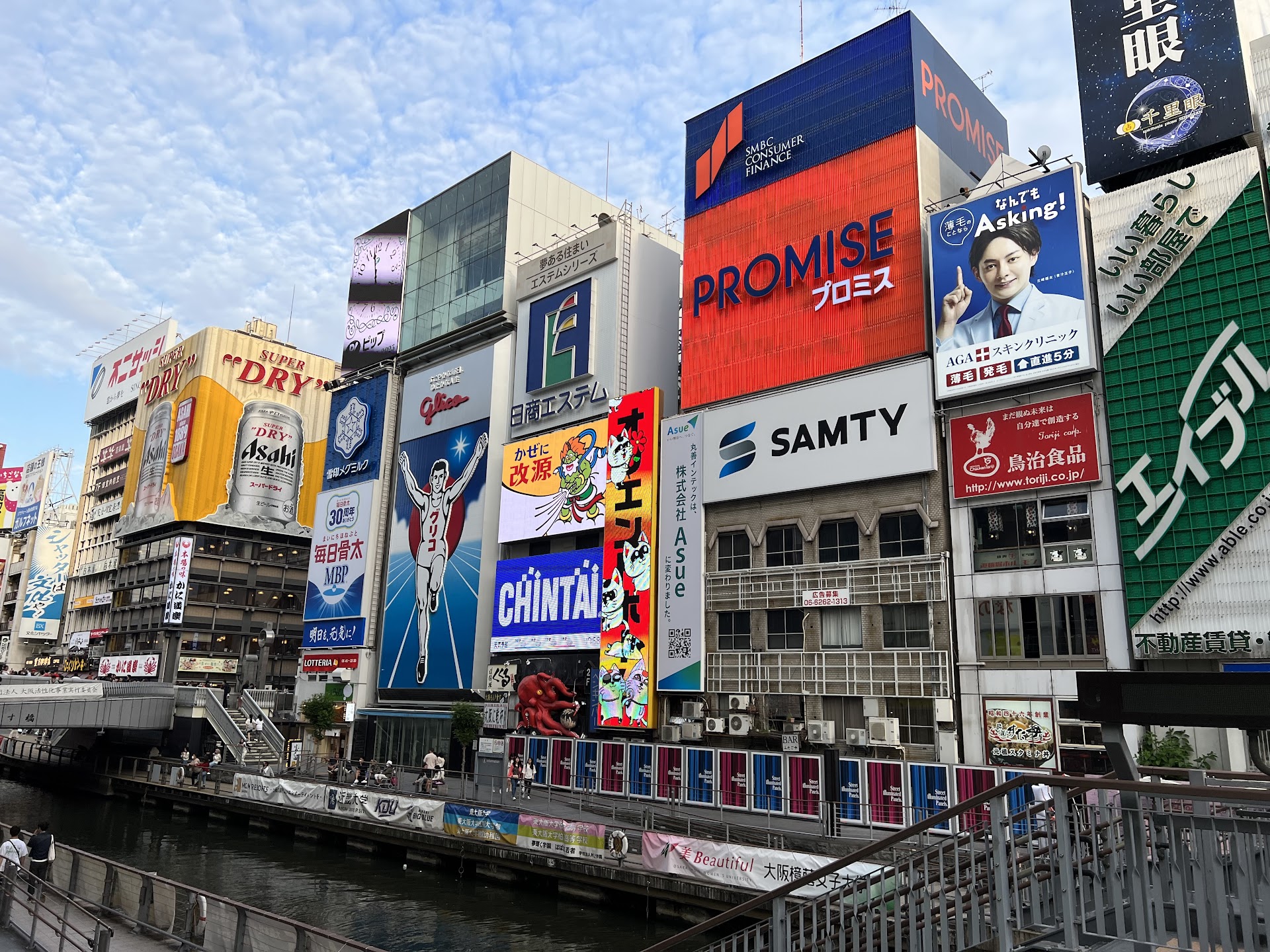
Step out the hotel’s side entrance and you are, without exaggeration, thirty seconds from the Ebisu Bridge — the most photographed single spot in Osaka. The canal walk stretches roughly 600 meters east to west, lined with restaurant signs competing for vertical space, and it rewards two very different visits: daytime for the structural absurdity of the signage (the moving Kani Doraku crab has been here since 1960), and after 20:00 for the full neon-on-water effect. Walking the full canal promenade from the bridge to the Hozenji Yokocho alley takes about 20 minutes at a relaxed pace. This is not a quiet cultural experience — it is Osaka’s central nervous system, loud and intentional about it, and staying directly above it means you understand the city’s pitch within hours of checking in.
- 📍 Dotonboribori, Chuo-ku, Osaka · 💰 Free · ⏰ Always accessible · ⭐ 4.5 / 5
- What locals know: The less-photographed western end of the canal, past the Tazaemon Bridge, is noticeably quieter and offers a cleaner reflection shot without the crowd density.
Cross Hotel Breakfast — The Morning Read
Breakfast at Cross Hotel Osaka runs as a buffet priced at ¥1,800–¥2,200 per person (sometimes included in package rates — check at booking). The spread is a reliable hybrid: Japanese side — steamed rice, miso soup with tofu, pickled vegetables, grilled fish — alongside a Western section with scrambled eggs, bacon, toast, and yogurt. It is not a destination breakfast; no single dish will anchor a memory. But the room faces the street, and by 07:30 the canal below is visibly quieter than it will be for the rest of the day — delivery trucks, a lone jogger, the restaurant staff hosing down the promenade. That window onto a neighborhood in its pre-performance mode is worth the buffet price on its own terms. The coffee is standard hotel drip; the miso soup is consistently good.
- 📍 Cross Hotel Osaka, 2F Dining · 💰 ¥1,800–¥2,200/person · ⏰ 06:30–09:30 · ⭐ 3.9 / 5
- What locals know: Arrive within the first 15 minutes of opening (06:30) to secure a window table with the canal view — by 07:15 those seats are consistently taken.
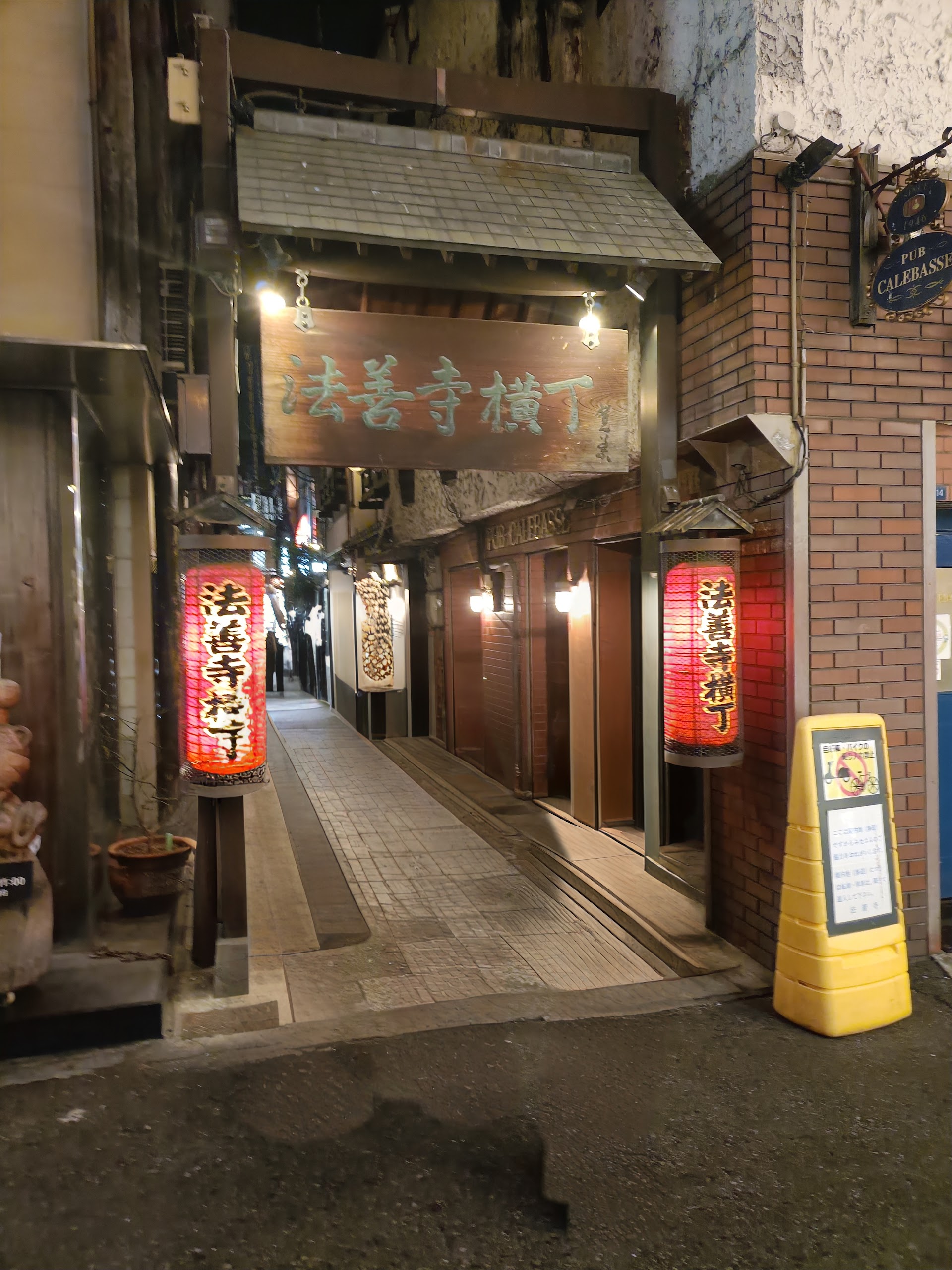
Hozenji Yokocho — The Lane Behind the Neon
Two minutes on foot from Cross Hotel’s south exit, Hozenji Yokocho is a stone-paved alley roughly 80 meters long that has operated in the shadow of Dotonbori’s main drag since the Edo period. It is anchored by Hozenji Temple, where a moss-covered Fudo Myoo statue has been doused with water by visitors for generations — the accumulated moss is now several centimeters thick and treated as a kind of slow living monument. The alley holds around a dozen small restaurants and bars, most seating under 20, and the price point is noticeably higher than the tourist-facing canal strip — this is where Osaka residents come when they want to eat well and not be photographed. The light in the lane is low and warm even at midday. It is the most direct rebuttal to the idea that staying in Dotonbori means sacrificing atmosphere for convenience.
- 📍 Hozenji Yokocho, Namba, Chuo-ku, Osaka · 💰 Dinner avg ¥3,500–¥6,000/person · ⏰ Most restaurants open 17:00–23:00 · ⭐ 4.4 / 5
- What locals know: Kigawa, a long-standing kaiseki-adjacent counter restaurant in the alley, does a set lunch not widely advertised — worth asking directly when you walk past before 12:00.
Shinsaibashi Shopping Arcade & The 10-Minute Walk
The hotel’s front address sits at the top of Shinsaibashisuji, Japan’s longest covered shopping arcade at 600 meters, connecting Dotonbori to Shinsaibashi station and, further north, to Amerikamura. The walk north from the hotel to Shinsaibashi station takes under 10 minutes and passes through a compressed cross-section of Osaka commerce: 100-yen shops next to luxury watch boutiques, takoyaki counters beside streetwear flagships. This walk is the clearest evidence for or against the location premium — you are within 10 minutes of essentially everything in central Osaka on foot, with no subway fare required. The arcade is covered, which matters more than it sounds: Osaka receives significant rainfall across spring and summer, and the ability to walk 20 minutes in any direction without an umbrella is a genuine logistical advantage.
- 📍 Shinsaibashisuji, Chuo-ku, Osaka · 💰 Free to walk; shopping variable · ⏰ Most shops open 11:00–21:00 · ⭐ 4.3 / 5
- What locals know: The side streets east of the arcade (particularly the blocks toward Nagahori Street) have a cluster of independent Osaka-origin coffee shops that open at 08:00 — earlier and quieter than anything on the main strip.
Recommended Route
This itinerary is built around a single full day based out of Cross Hotel, capturing the neighborhood across three distinct moods.
06:30 — Breakfast at the hotel. Arrive early, take the window seat, observe the canal before the crowd arrives. Allow 45 minutes.
07:30 — Walk the canal promenade westward from Ebisu Bridge toward Tazaemon Bridge. Low foot traffic, good light, the best reflection in the water. 20 minutes of walking.
08:00 — Turn south into Hozenji Yokocho for a quiet look at the temple before the lunch crowd. The alley is essentially empty before 10:00. 15 minutes.
08:30 — Walk north up Shinsaibashisuji to Shinsaibashi station, noting the side-street coffee shops east of the arcade. Stop for a second coffee if the hotel’s drip was not enough. Return to hotel by 10:00 to leave luggage if checking out.
12:00 — Return to Dotonbori for lunch; the canal-side restaurants begin filling by 11:30 but are manageable before 12:30. Kani Doraku’s set lunch (crab-centric, ¥2,500–¥4,000) is a reliable landmark choice.
14:00 — Explore Amerikamura, 10 minutes north of the hotel on foot — Osaka’s vintage and streetwear district, concentrated around Triangle Park.
19:00 — Return to Hozenji Yokocho for dinner. Book at least two days ahead for smaller counter restaurants. The canal neon is at full saturation by 20:30 — walk back along the promenade for the exit shot.
Budget · Transport · Booking
Accommodation: Canal-view room at Cross Hotel Osaka, ¥18,000–¥28,000/night. Standard city-view rooms start around ¥13,000. Breakfast add-on ¥1,800–¥2,200 per person if not included.
Meals: Budget ¥1,500–¥2,500 for a canal-area lunch (ramen, takoyaki, set menus). Hozenji Yokocho dinner: ¥3,500–¥6,000. Full day food budget: ¥7,000–¥12,000 per person is realistic without splurging.
Transport: The hotel’s location makes subway use optional for most central Osaka sightseeing. Namba Station (Midosuji Line) is a 5-minute walk; a single subway ride costs ¥180–¥280. Osaka 1-day pass: ¥820 — worth it only if venturing to Osaka Castle or Umeda in the same day.
Advance booking: Cross Hotel canal-view rooms during cherry blossom season (late March to early April) or Golden Week (late April to early May) sell out 6–10 weeks ahead. For Hozenji Yokocho’s smaller counter restaurants, 2–3 days’ notice is typically sufficient except during peak holidays.
Total realistic day budget (one person): ¥8,000–¥15,000 excluding accommodation.
Must-Know Tips
- 🔊 Noise is real. The canal-facing rooms above floors 6 are manageable with closed windows; floors 3–5 pick up street audio through the night. Pack earplugs as a contingency, not an afterthought.
- 💳 Cash still matters in Hozenji Yokocho. Several small restaurants in the alley remain cash-only; carry ¥10,000 in notes for evening dining. The 7-Eleven one block from the hotel has an international-card ATM.
- 📸 Photography rules at Hozenji Temple: photographing the moss-covered statue is permitted, but selfie sticks and tripods are discouraged inside the temple precinct. Keep it to a phone and move through.
- 🌧️ Osaka’s rain is sudden. The arcade coverage is your best wet-weather asset — plan shopping and street food around the covered arcade route rather than canal-side if the forecast shows afternoon showers.
- 🍡 Specific street food worth finding: Takoyaki from Aizuya (operating since 1933, located on the Dotonbori strip) is the benchmark against which all Osaka takoyaki is measured — eight pieces for ¥700–¥800.
- 🏨 Room tier decision: If budget allows, the Superior Canal View is worth the ¥4,000–¥6,000 premium over the standard city-view room specifically for the 23:00 neon view. If you’re a light sleeper or tend to wake before dawn, the city-view room and a later checkout serves you better.
Closing
Dotonbori is Osaka at its most unfiltered — the volume turned all the way up, the signage competing with the sky, the canal carrying reflections of a city that has decided spectacle is a reasonable way to live. Staying directly inside it, rather than commuting to it from a quieter hotel, changes how quickly the city makes sense. By the second morning, the neon is furniture. The canal walk before breakfast feels like a ritual rather than a tourist activity. That orientation — arriving fast, belonging faster — is what the Cross Hotel’s location actually sells, and for the right traveler, it is worth every yen of the premium.
Actionable takeaway: Book a canal-view room on floors 7–10, build your first evening around the Hozenji Yokocho alley rather than the main Dotonbori strip, and set a 06:30 alarm to see the neighborhood before it performs for anyone else.
🏨 Where to Stay
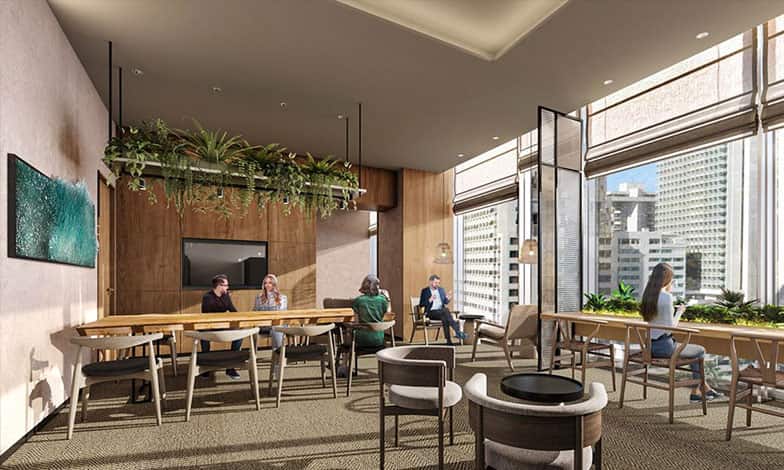 Hotel Hankyu GRAN RESPIRE OSAKA⭐ 5.0 · 8.8/10 (4,706) · $95 /night
 APA Hotel & Resort Osaka Umeda Eki Tower⭐ 3.0 · 8.5/10 (32,921) · $53 /night
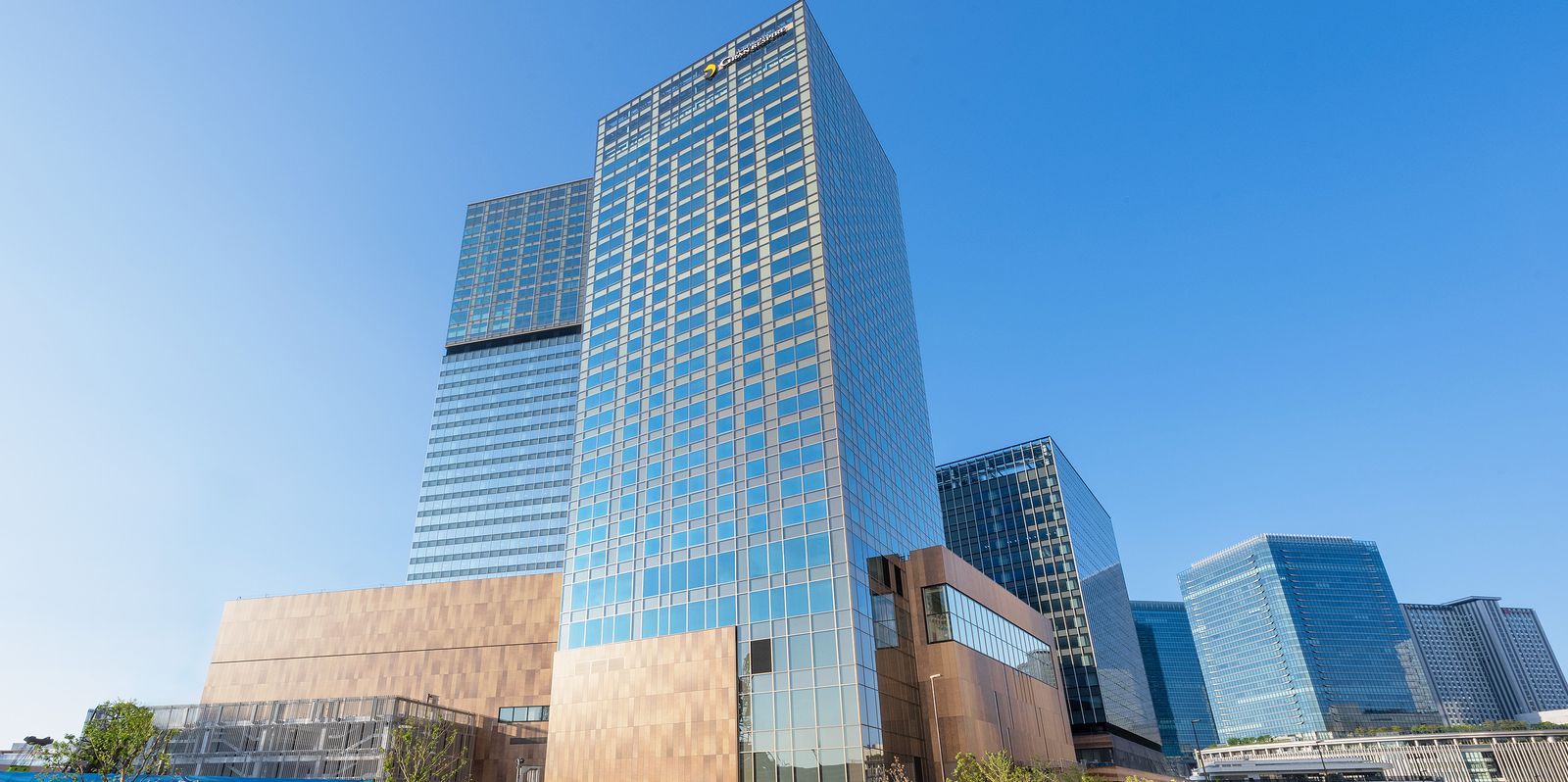
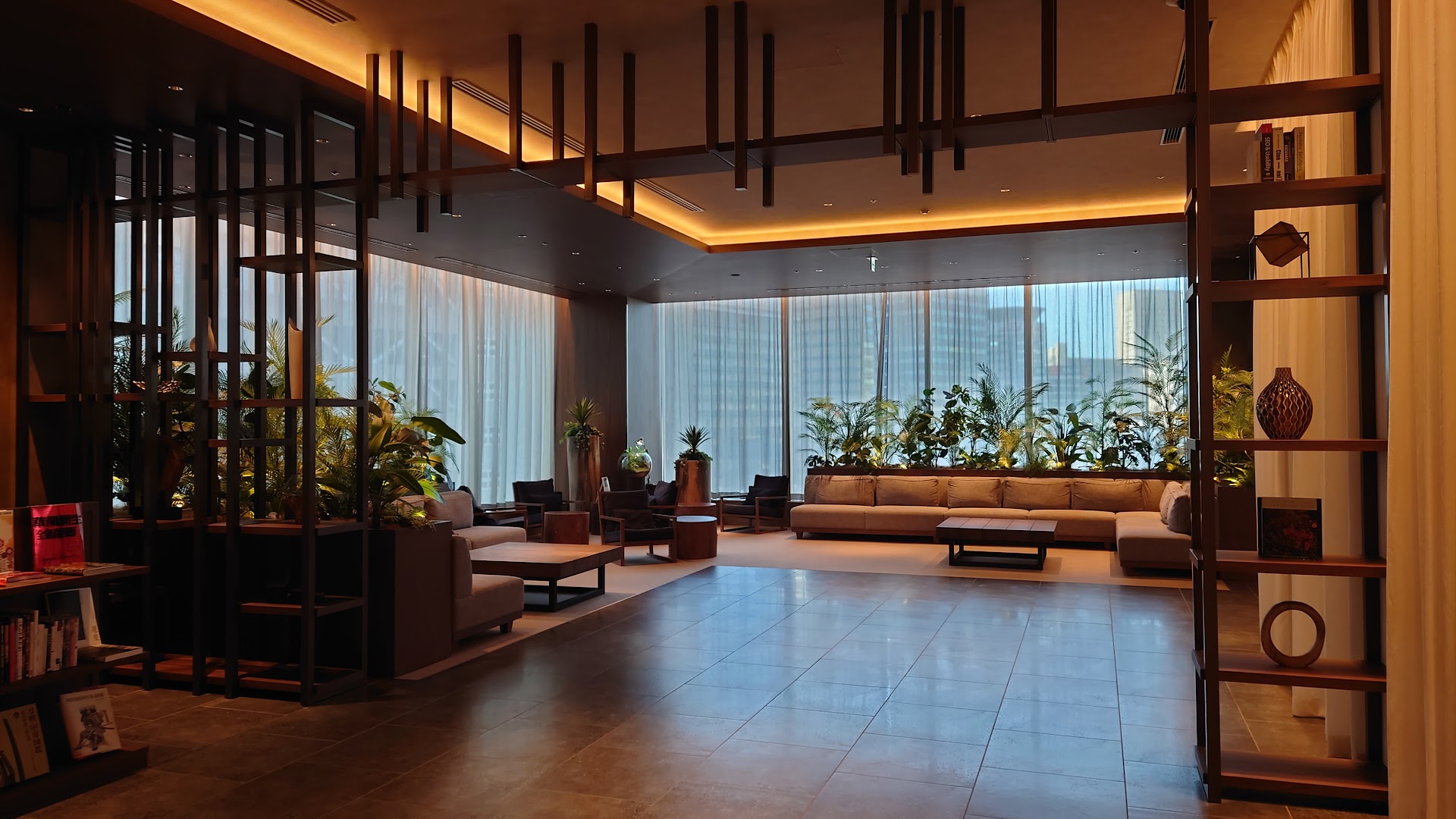 Hotel Villa Fontaine Grand Osaka Umeda⭐ 4.0 · 9.0/10 (6,468) · $88 /night
Agoda affiliate link — clicks go to the price-comparison page.