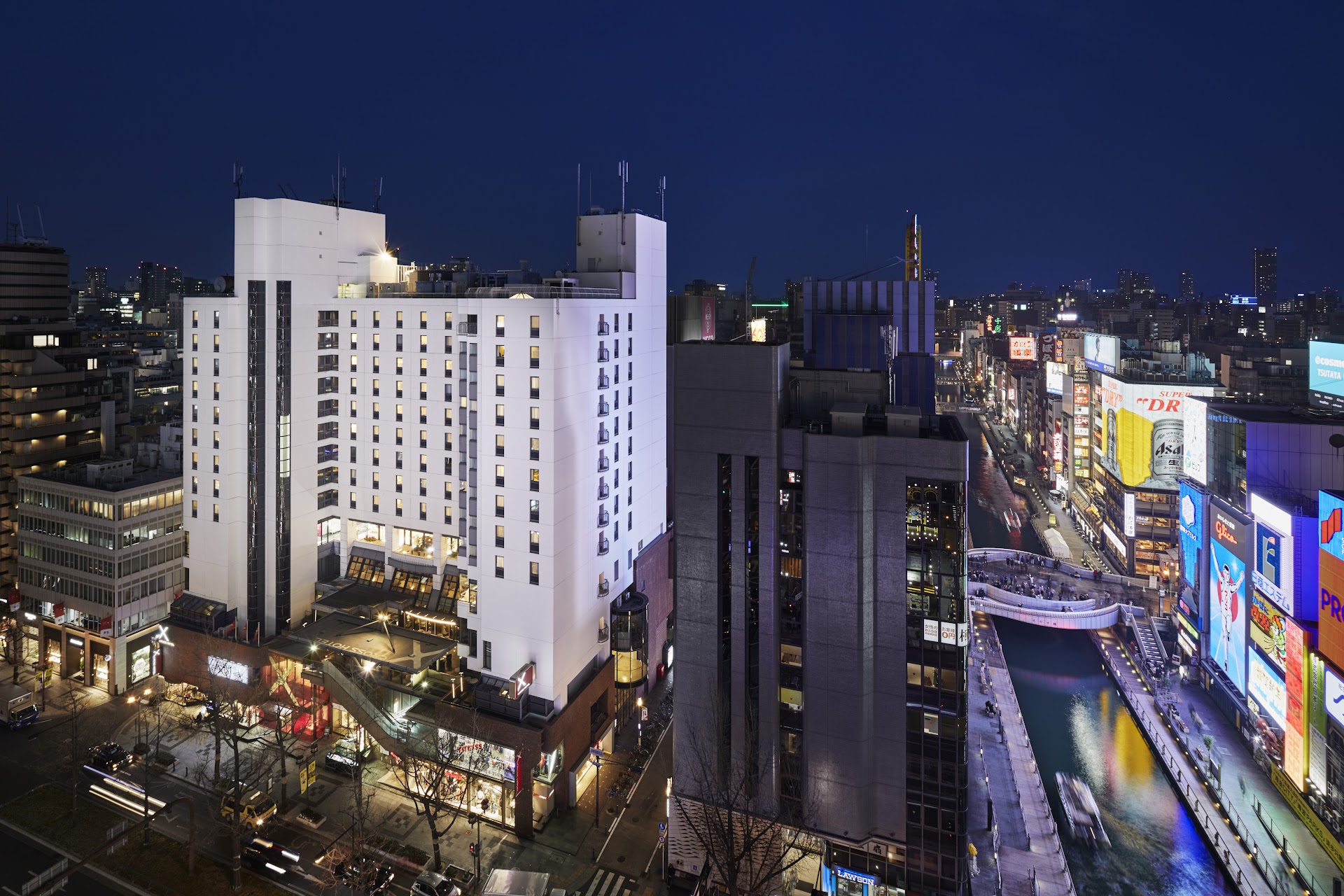
Steps from the neon blur of Dotonbori, a quietly designed boutique property sits on a side street in Namba — and most visitors walk right past it. Cross Hotel Osaka Namba earns a second look, and this guide covers exactly what that second look reveals: the rooms, the breakfast, the neighborhood walk, and whether the nightly rate holds up.
Best Timing
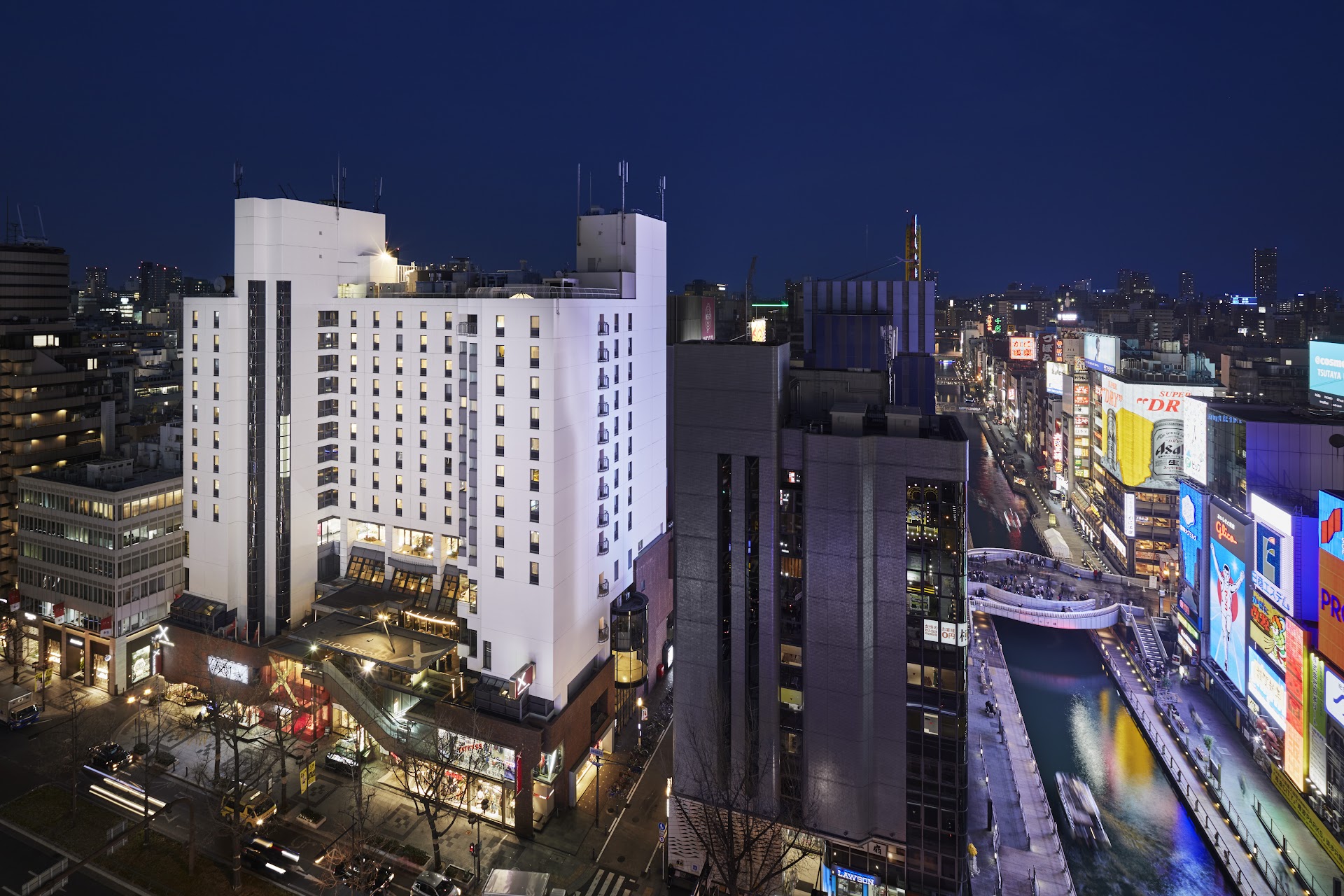
Osaka’s shoulder seasons — mid-March through early April (cherry blossom) and late October through mid-November (autumn foliage and cooler air) — are the most rewarding windows for Namba. Summer (July–August) is hot and humid, with temperatures regularly above 35°C; the crowds are relentless and the streets smell of takoyaki and sunscreen in equal measure. Winter is underrated: January and February bring crisp, manageable cold, far fewer tourists, and hotel rates that drop noticeably. Namba never truly empties — it records roughly 2 million visitors per month even in the off-season — but a weekday arrival before Friday evening gives you the neighborhood at a noticeably calmer pitch.
For the hotel itself, check-in at or after 9 p.m. has a practical appeal: the lobby is quieter, the front desk staff have breathing room to walk you through the room properly, and the upper-floor views of Osaka’s lit skyline hit their visual peak after dark.
Core Experiences
Cross Hotel Osaka Namba — The Room Itself
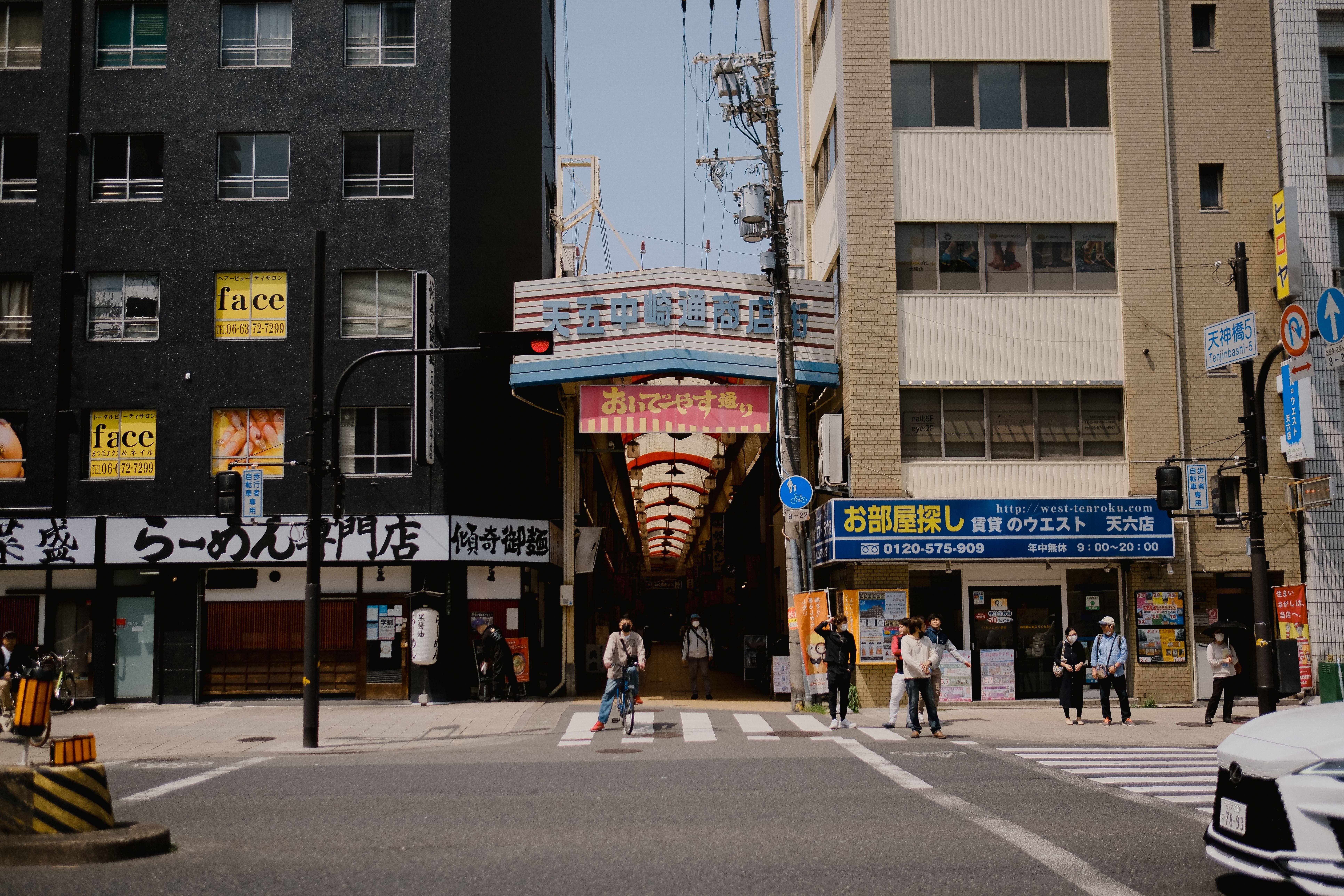
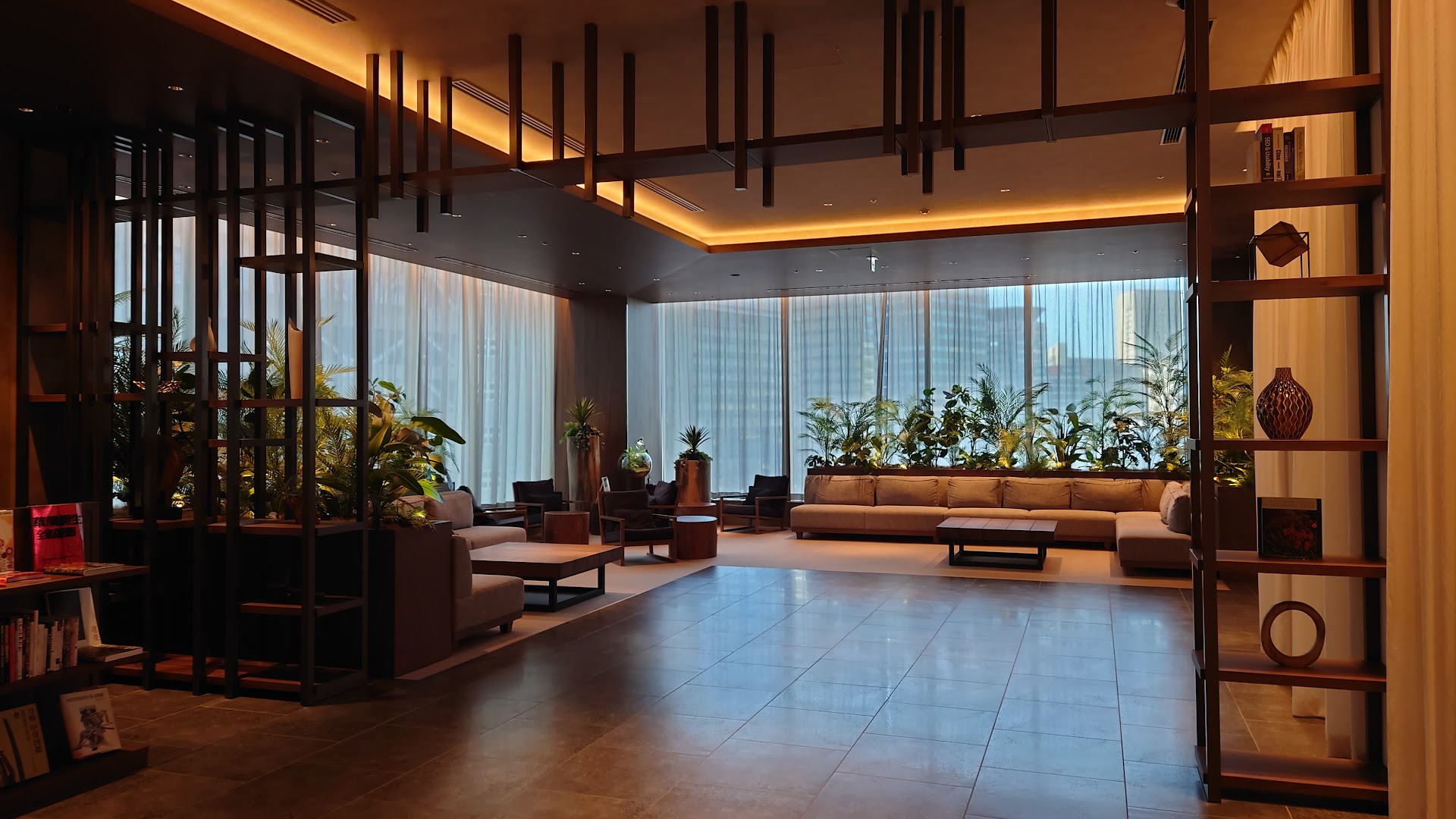
The press photos show a compact room with dark wood grain and a wall of glass. The reality is largely consistent with that image, which is itself a kind of reassurance. Rooms in the Superior category (roughly 22–24 sqm) are tight but intentional: recessed lighting keeps the mood low and warm, the bed sits on a low platform frame in walnut-tone wood, and the desk is mounted flush to the window so the view becomes the wallpaper. Upper floors — above the 10th — face east or west toward a low Osaka skyline broken by neon and tower cranes. The bathroom is separate from the toilet (a practical Japanese hotel standard), the shower pressure is strong, and the toiletries are house-brand but genuinely fine. What the room tells you about the city: Osaka is dense, efficient, and doesn’t waste a centimeter — and neither does this hotel.
- 📍 1-3-31 Motomachi, Naniwa-ku, Osaka · 💰 ¥14,000–¥22,000/night (Superior, weekday) · ⏰ Check-in 15:00 / Check-out 11:00 · ⭐ 4.4 / 5.0 (Booking.com)
- What locals know: Request a room on floors 12–15 facing west; at 8 p.m. the Tsutenkaku Tower lights up in the mid-distance and gives the window a free focal point.
Cross Hotel Breakfast — What It Reveals About Osaka
The breakfast at Cross Hotel is served on one of the upper floors and runs a hybrid format: a compact Japanese set (grilled fish, white rice, miso soup, pickles, soft-boiled egg) alongside a Western station (bread, yogurt, scrambled eggs, fruit). Neither side is elaborate. But the Japanese set is honest — the miso has dashi depth, the pickles have edge, the rice is Niigata koshihikari and noticeably good. For a hotel at this price point, that matters. Osaka is a food city that will embarrass your breakfast if you let it; Cross Hotel at least holds its own. The room fills up between 7:30 and 8:30 a.m., so arriving at 7:00 a.m. gets you a window seat and fifteen minutes of quiet before the crowd.
- 📍 In-hotel restaurant, upper floor · 💰 ¥1,800–¥2,200 (included in some room rates) · ⏰ 07:00–10:00 · ⭐ 4.2 / 5.0
- What locals know: The hotel’s breakfast miso changes slightly by season — autumn brings a version with nameko mushrooms. Worth asking the staff what’s in rotation.
Dotonbori Canal — The 3-Minute Walk
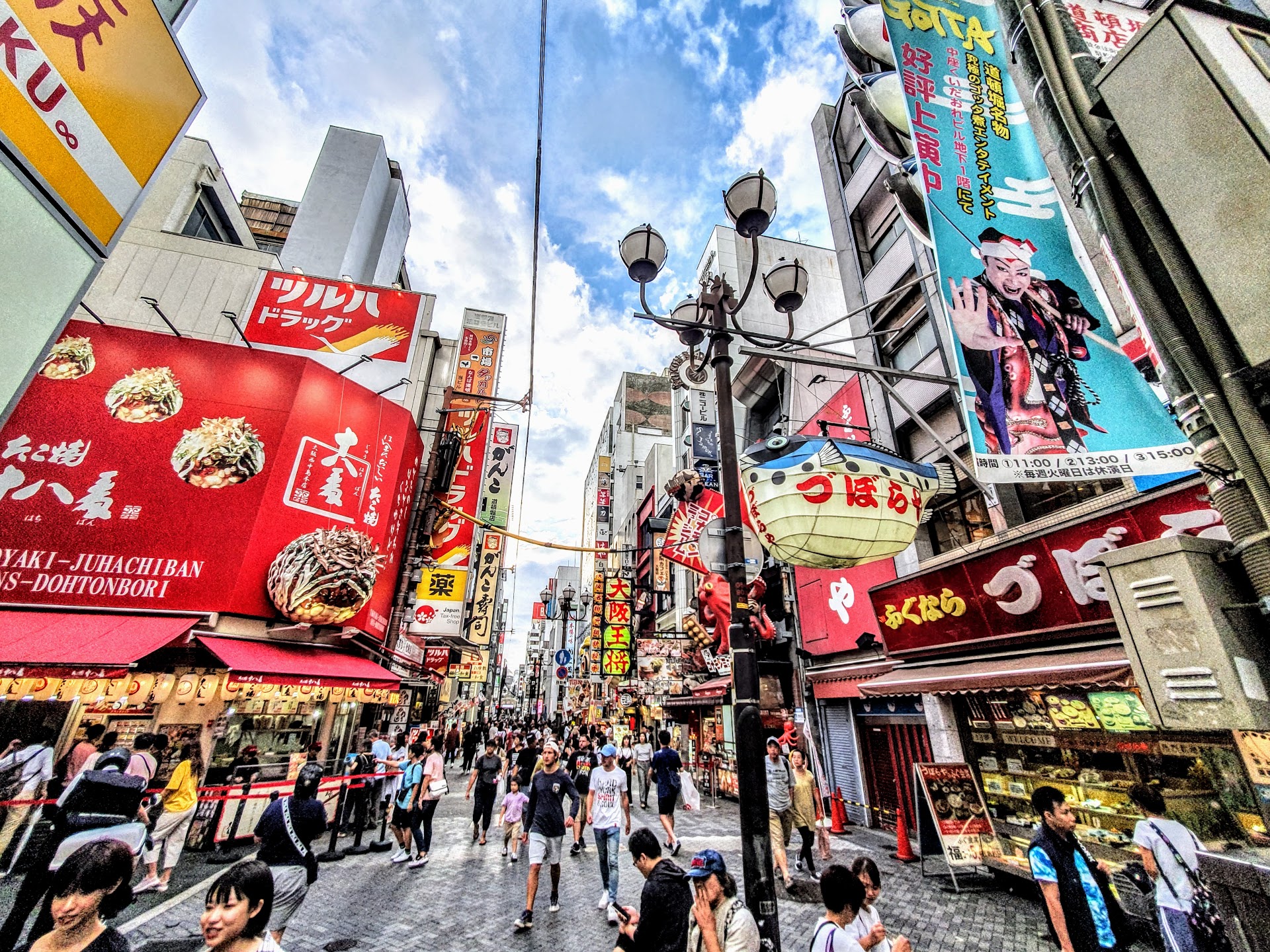
The single greatest argument for staying in Namba rather than Umeda is the walk to Dotonbori. From Cross Hotel’s front door, it takes three minutes on foot to reach the canal’s south bank — and at 7 a.m., before the tour groups arrive, it is genuinely one of the more cinematic stretches of urban Japan. The Glico Running Man sign is lit even in daylight; the canal reflects the orange-red of the signage in a way that photographs well without effort. By 10 a.m. the selfie sticks are out in force. The canal itself runs roughly 200 meters of concentrated visual noise — takoyaki stands, crab-claw mechanical signs, ramen storefronts — and the contrast between that sensory overload and the calm of the hotel lobby two minutes away is itself part of the Namba appeal.
- 📍 Dotonboribashi Bridge area, Chuo-ku, Osaka · 💰 Free · ⏰ Always open (crowds peak 11:00–22:00) · ⭐ 4.5 / 5.0
- What locals know: Walk west along the canal toward Hozenji Yokocho rather than east toward the Glico sign — the western stretch is less photographed and has better standing ramen at lunch.
Kuromon Ichiba Market — The 10-Minute Walk
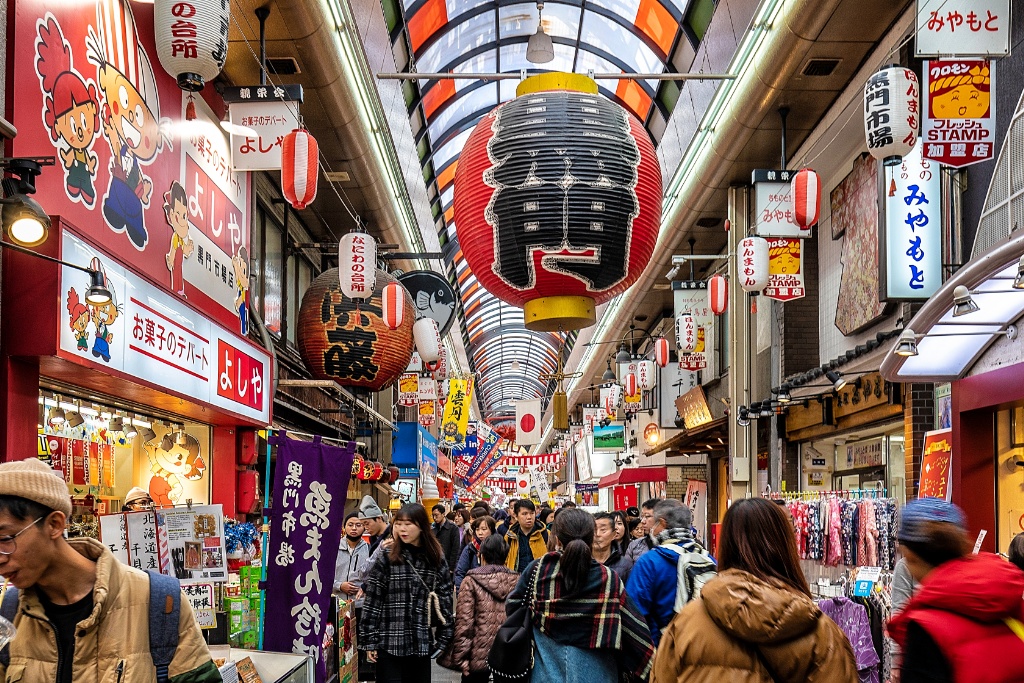
Osaka’s “Kitchen” lives a 10-minute walk southeast of Cross Hotel, and the morning hours (8:00–10:00 a.m.) are when it earns that title. Kuromon Ichiba is a 170-stall covered arcade where local restaurant buyers have shopped since the 1920s. Uni (sea urchin) on a half-shell, grilled wagyu skewers for ¥800, jumbo oysters from Hiroshima, tuna belly sliced to order — the market runs on volume and freshness, not on tourist theater. The stalls are tightly packed under a low corrugated roof; the light is fluorescent and slightly harsh. That’s the point. This is not a curated food hall; it’s a working market that happens to be walkable from one of Osaka’s best-positioned boutique hotels.
- 📍 2-4-1 Nipponbashi, Chuo-ku, Osaka · 💰 ¥500–¥2,000 per item · ⏰ 08:00–18:00 (most stalls; some close earlier) · ⭐ 4.3 / 5.0
- What locals know: Arrive before 9 a.m. on a Tuesday or Wednesday — the weekend crowd triples the queue time at the most popular stalls, and weekday mornings are when the actual restaurant buyers are present.
Hozenji Yokocho — The Evening Lane
Half a block from Dotonbori, Hozenji Yokocho is a stone-paved alley barely wide enough for two people to pass shoulder-to-shoulder. The moss-covered Fudo Myoo statue at its center has been patted with water-ladles by visitors for decades; the stone is permanently dark and soft with growth. The lane is lined with kappo restaurants and izakayas where counter seating is the standard and menus may be handwritten in Japanese only. It is the sharpest contrast available within a five-minute radius of the hotel: one street back from Dotonbori’s mechanical crabs and neon, and suddenly you are somewhere that feels like 1970s Osaka. The lane is at its best between 6:30 p.m. and 8:00 p.m. — lanterns lit, smoke from charcoal grills, the sound of ceramic on ceramic from inside the counters.
- 📍 Hozenji Yokocho, Chuo-ku, Osaka (off Sennichimae-dori) · 💰 Dinner ¥3,500–¥7,000/person · ⏰ Most restaurants open 17:00–23:00 · ⭐ 4.6 / 5.0
- What locals know: The Fudo Myoo statue doesn’t have set visiting hours — stop by after dinner rather than before; the lantern light turns the moss a deeper green and the alley empties slightly after 9 p.m.
Recommended Route
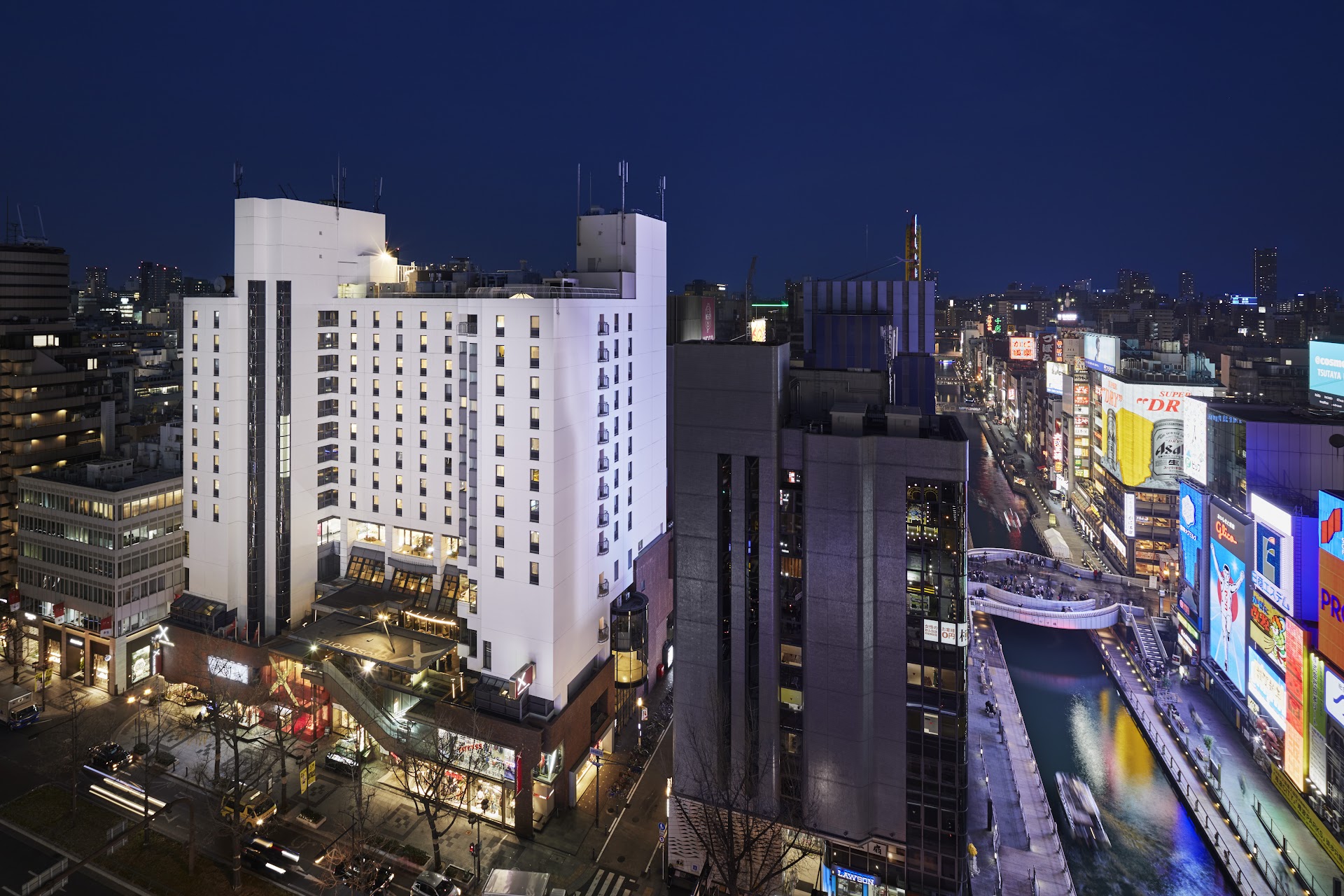
A full day built around Cross Hotel Namba moves efficiently through the neighborhood without backtracking.
07:00 — Hotel breakfast (upper floor); arrive early for window seat and quiet. 08:00 — 10-minute walk southeast to Kuromon Ichiba Market; graze on uni or grilled skewers before stalls crowd. 09:30 — Walk back north toward Dotonbori canal (10 min); 3-minute canal walk west to Hozenji Yokocho to see it in the morning calm before evening crowds arrive. 10:30 — Day departure from hotel or room hold; drop bags with concierge if checking out. 11:00 — Namba Parks, Shinsaibashi shopping arcade, or Shinsekai tower district (25 min walk or 2 stops on the Midosuji Line) for afternoon. 18:30 — Return to Hozenji Yokocho for dinner at a kappo counter; no reservation needed at smaller counters if you arrive right at opening. 20:30 — Canal walk back to hotel; Dotonbori is fully lit and at peak visual energy.
Total walking: approximately 4–5 km for the full day, all flat terrain.
Budget · Transport · Booking
Nightly rate: Cross Hotel Superior rooms run ¥14,000–¥22,000 on weekdays; weekend and sakura-season rates push toward ¥28,000. Book 3–4 weeks in advance for cherry blossom season (late March–early April); the hotel is small and popular windows sell out. Booking.com and the hotel’s direct site regularly match on price; direct booking sometimes includes breakfast.
Breakfast: ¥1,800–¥2,200 if not included. Check your rate carefully — some promotional rates bundle it.
Kuromon Market: Budget ¥1,500–¥3,000 for a morning graze.
Hozenji dinner: ¥3,500–¥7,000 per person at a mid-range kappo. Cash is strongly preferred at the smaller counter restaurants; many do not accept foreign cards.
Transport: The hotel sits a 5-minute walk from Namba Station (Midosuji, Sennichimae, and Yotsubashi lines) and 8 minutes from Osaka-Namba Station (Kintetsu and Hanshin lines). An IC card (Suica or ICOCA) loaded with ¥2,000–¥3,000 covers all subway travel for a typical 2-night stay. Taxis from Kansai International Airport run ¥15,000–¥20,000; the Nankai Airport Express (Rapit) to Namba Station takes 38 minutes for ¥1,450 and is the practical choice.
Total daily budget estimate: ¥18,000–¥30,000 per person including hotel rate share, meals, and transit.
Must-Know Tips
- 💰 Cash is essential in Namba. Hozenji Yokocho restaurants and many Kuromon stalls are cash-only. Withdraw ¥20,000–¥30,000 from a 7-Eleven ATM (accepts foreign cards reliably) before dinner.
- 📍 Ask for a high floor at booking. Cross Hotel’s standard rooms on floors 3–7 face the building across the alley. Floors 10 and above are worth the occasional rate difference.
- 🚇 The Midosuji Line runs until midnight from Namba — late dinners in Shinsaibashi or day trips to Kyoto (50 min on the Kintetsu Limited Express from Osaka-Namba) are logistically simple.
- ⏰ Kuromon Market closes earlier than most maps suggest. By 16:00, a third of the stalls are packing down. Morning is the only correct time to visit.
- 🍴 The hotel’s neighborhood is Naniwa-ku, not Chuo-ku — GPS sometimes routes incorrectly. The correct address is Motomachi; confirm before taking a taxi.
- 📷 Photography in Hozenji Yokocho: The alley is open and photogenic, but the restaurants inside are small and counter-only — ask before pointing a camera at diners or staff. A simple nod usually gets a nod back.
Closing
Namba rewards staying inside it rather than commuting to it. Cross Hotel’s particular value isn’t in any single amenity — it’s in the three-minute walk to one of Japan’s most photographed canals, the ten-minute walk to one of its best markets, and the access to a lane like Hozenji Yokocho that almost no overnight visitor is close enough to use casually. The room is honest, the breakfast holds its own, and the rate — when booked ahead and off-peak — is defensible against flashier properties twice the distance from all of this.
If Osaka is on the itinerary: book the upper floor, arrive at Kuromon before 9 a.m., and save Hozenji for the last night. That sequence alone justifies the address.
🏨 Where to Stay
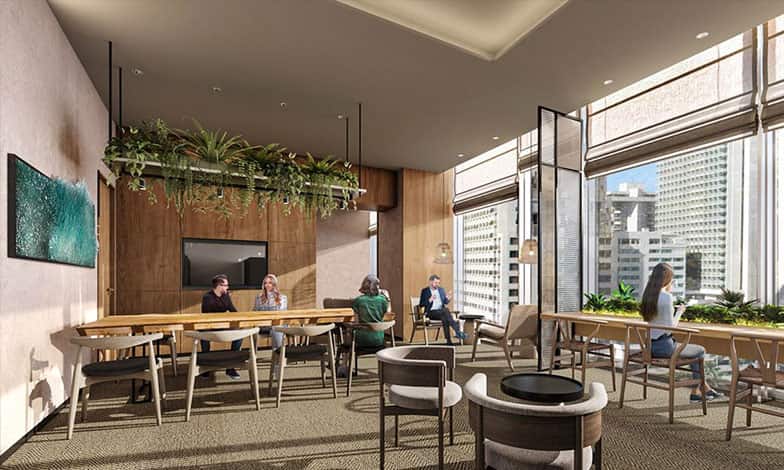 Hotel Hankyu GRAN RESPIRE OSAKA⭐ 5.0 · 8.8/10 (4,718) · $95 /night
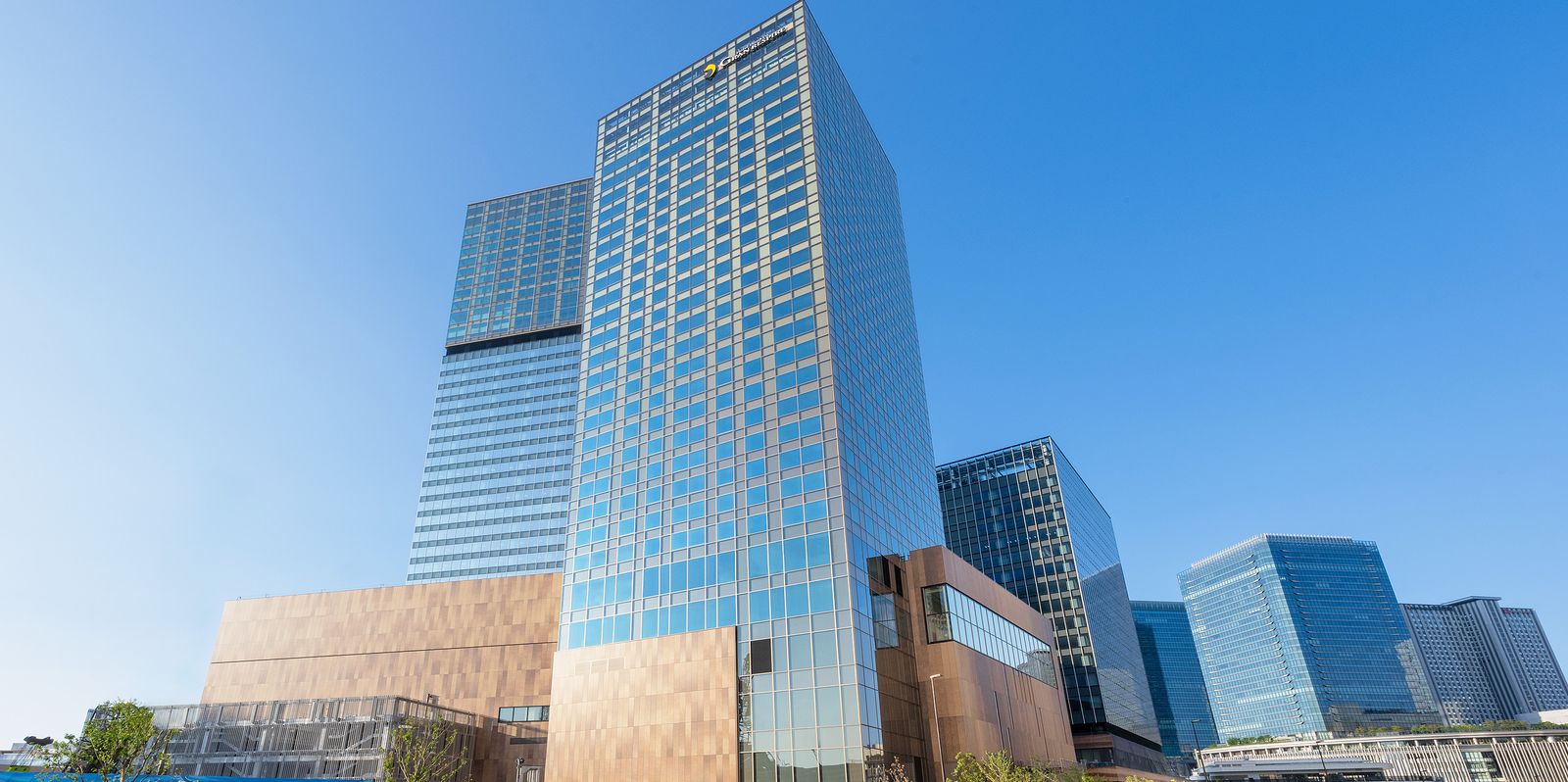 APA Hotel & Resort Osaka Umeda Eki Tower⭐ 3.0 · 8.5/10 (32,940) · $55 /night
 Hotel Villa Fontaine Grand Osaka Umeda⭐ 4.0 · 9.0/10 (6,468) · $91 /night
Agoda affiliate link — clicks go to the price-comparison page.