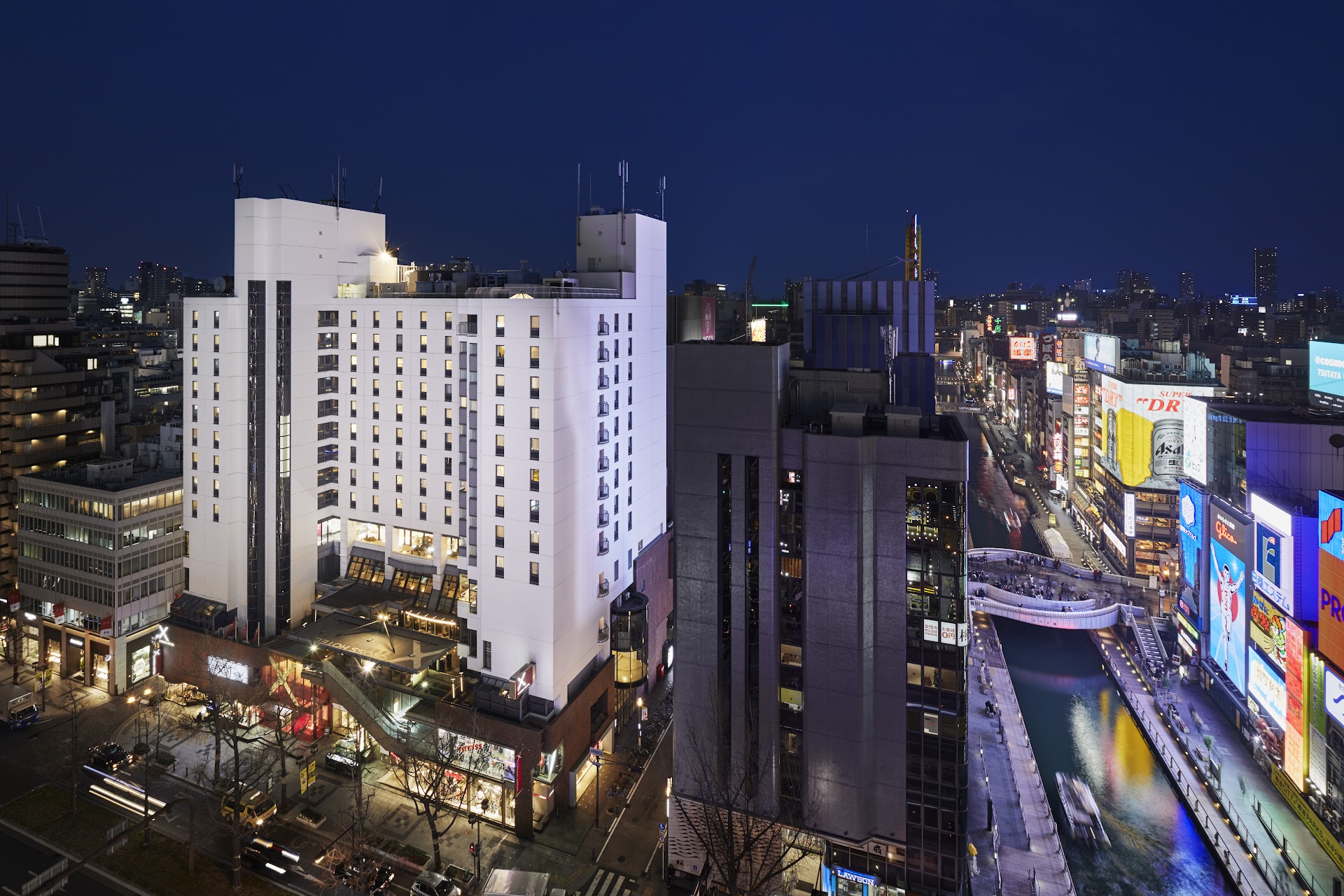
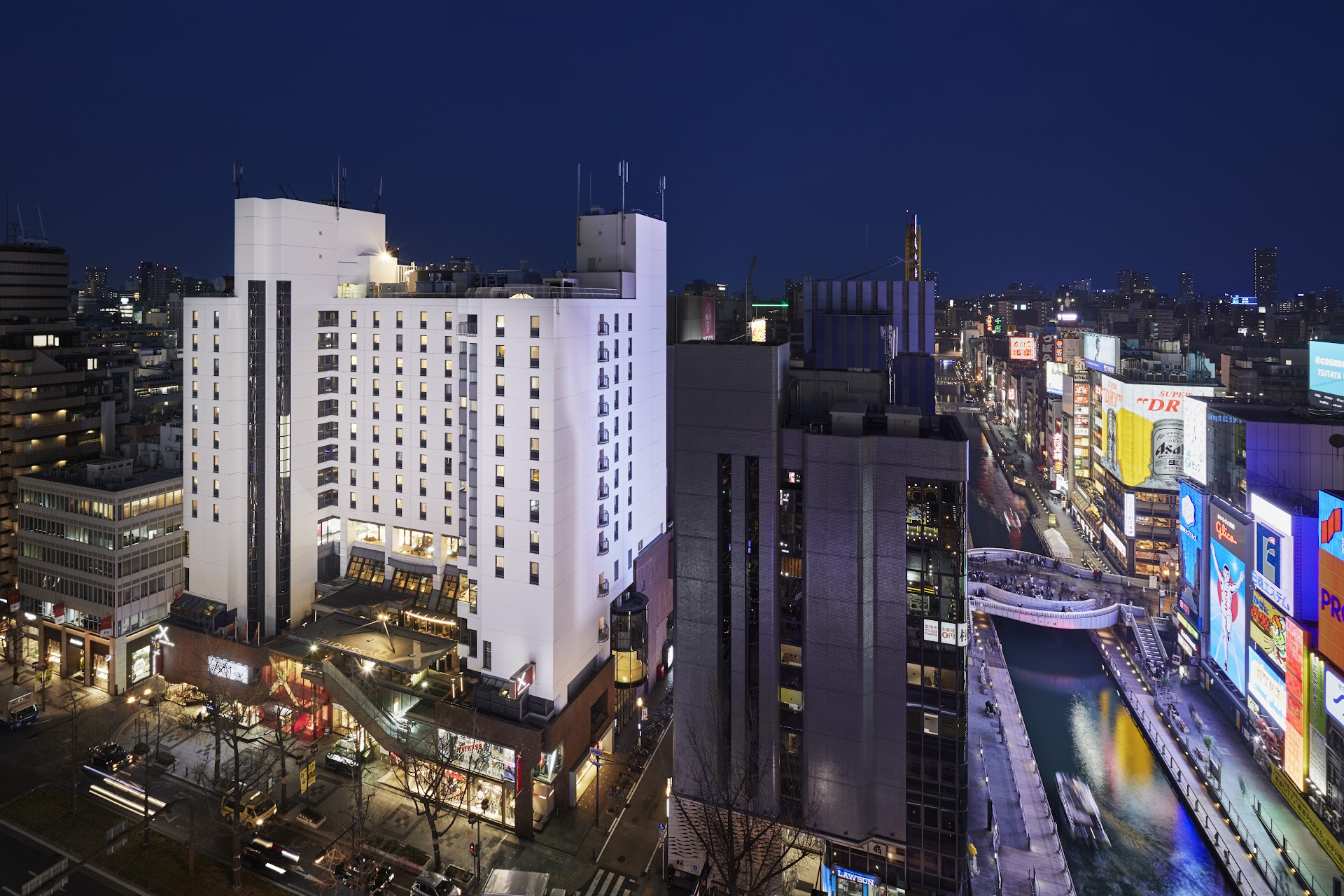
Cross Hotel Osaka sits at the edge of Namba’s pulse — close enough to hear the city, designed well enough to make you forget it. For anyone triangulating boutique options before booking Osaka, this is the honest, unhurried look worth reading before you tap “Reserve.”
Best Timing
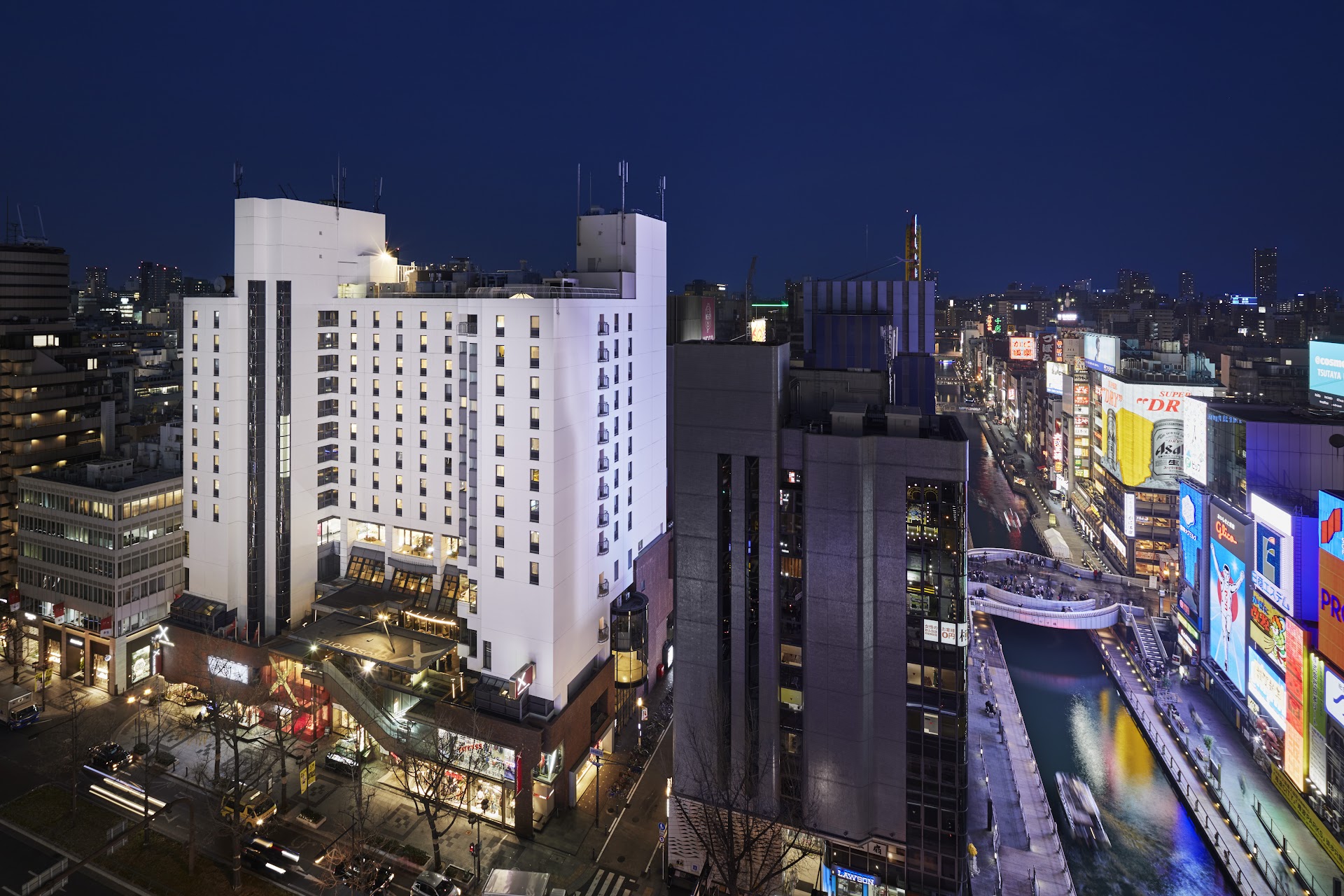
Osaka rewards visits in mid-March through early May and again in October through November — the shoulder seasons when temperatures hover between 15–22°C, humidity stays manageable, and the Namba streets have energy without the crushing summer crowds. Cherry blossom season (late March to early April) pushes occupancy and nightly rates up by 20–35%, so booking 60–90 days out is not overcautious — it is necessary.
Within any given day, the 7:00–9:30 a.m. window is when the hotel reveals its character most honestly: the breakfast floor fills with a particular rhythm, the lobby light goes golden, and the neighborhood below transitions from delivery trucks to foot traffic. Checking in on a Wednesday or Thursday typically yields the most competitive midweek rates and quieter hallways.
Core Experiences
The Guest Room: Design vs. Reality
The rooms at Cross Hotel Osaka are compact by any international standard — standard doubles run approximately 18–22 sqm — but the design team has done considered work with the footprint. The color palette leans into warm charcoal and raw wood tones, the bed platform sits low and wide, and the window-to-floor ratio is genuinely generous for this part of Namba. What the press photos don’t show: the storage is tight, the desk doubles as the luggage bench, and the blackout curtains are properly blackout. The view from mid-to-upper floors faces either the Dotonbori canal corridor or the low urban roofline spreading north — neither is a postcard, but both are authentically Osaka.
- 📍 Cross Hotel Osaka, 2-5-15 Shinsaibashisuji, Chuo-ku, Osaka
- 💰 ¥12,000–¥22,000/night (standard double, depending on season)
- ⏰ Check-in 15:00 / Check-out 11:00
- ⭐ 4.3/5 (Booking.com aggregate, 2,000+ reviews)
What locals know: Request a room on floors 8–12 facing south — these get the longest afternoon light and the least street noise from the Shinsaibashisuji shopping arcade below.
The Breakfast Spread
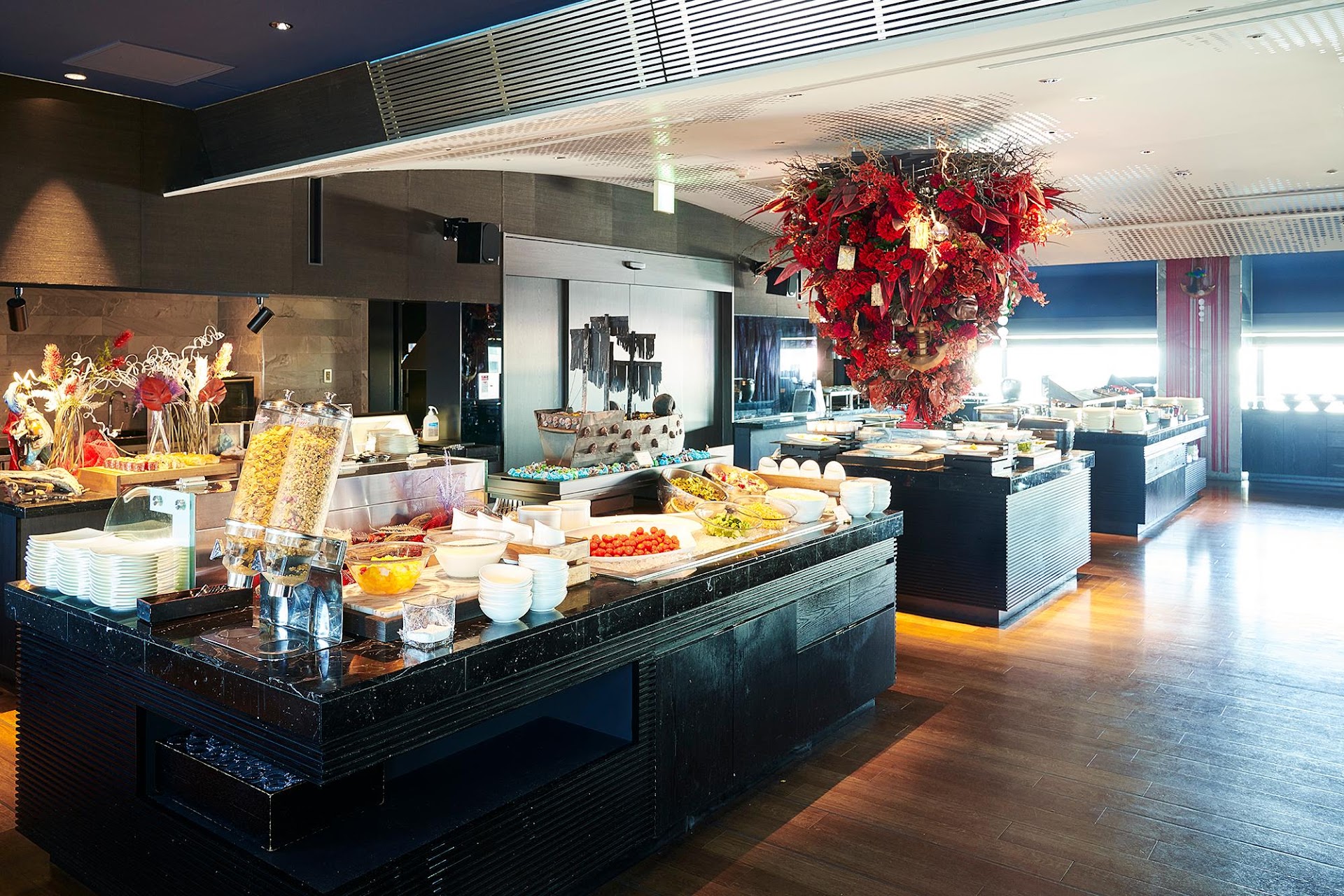
Breakfast at Cross Hotel Osaka is served buffet-style on the top-floor dining space, and it functions as an accidental survey of Namba’s food culture compressed into one room. The spread mixes Japanese staples — dashi miso soup, pickled vegetables, grilled salmon, steamed rice — alongside Western-style options: soft scrambled eggs, sliced bread, yogurt. Neither side is exceptional in isolation, but the balance is honest. What it quietly tells you about the neighborhood below: Namba feeds everyone, all day, without ceremony. The breakfast follows that same logic.
- 📍 Top-floor dining, Cross Hotel Osaka
- 💰 ¥1,800–¥2,200/person (included in some rate plans; check at booking)
- ⏰ 07:00–10:00 daily
- ⭐ 4.1/5 (guest satisfaction, Japan Hotel Review index)
What locals know: Arrive at 07:15 — before the 08:00 rush — and the miso soup is freshest and the salmon just off the grill. By 09:00 the room runs low on Japanese-side options.
The Lobby & Check-In Experience
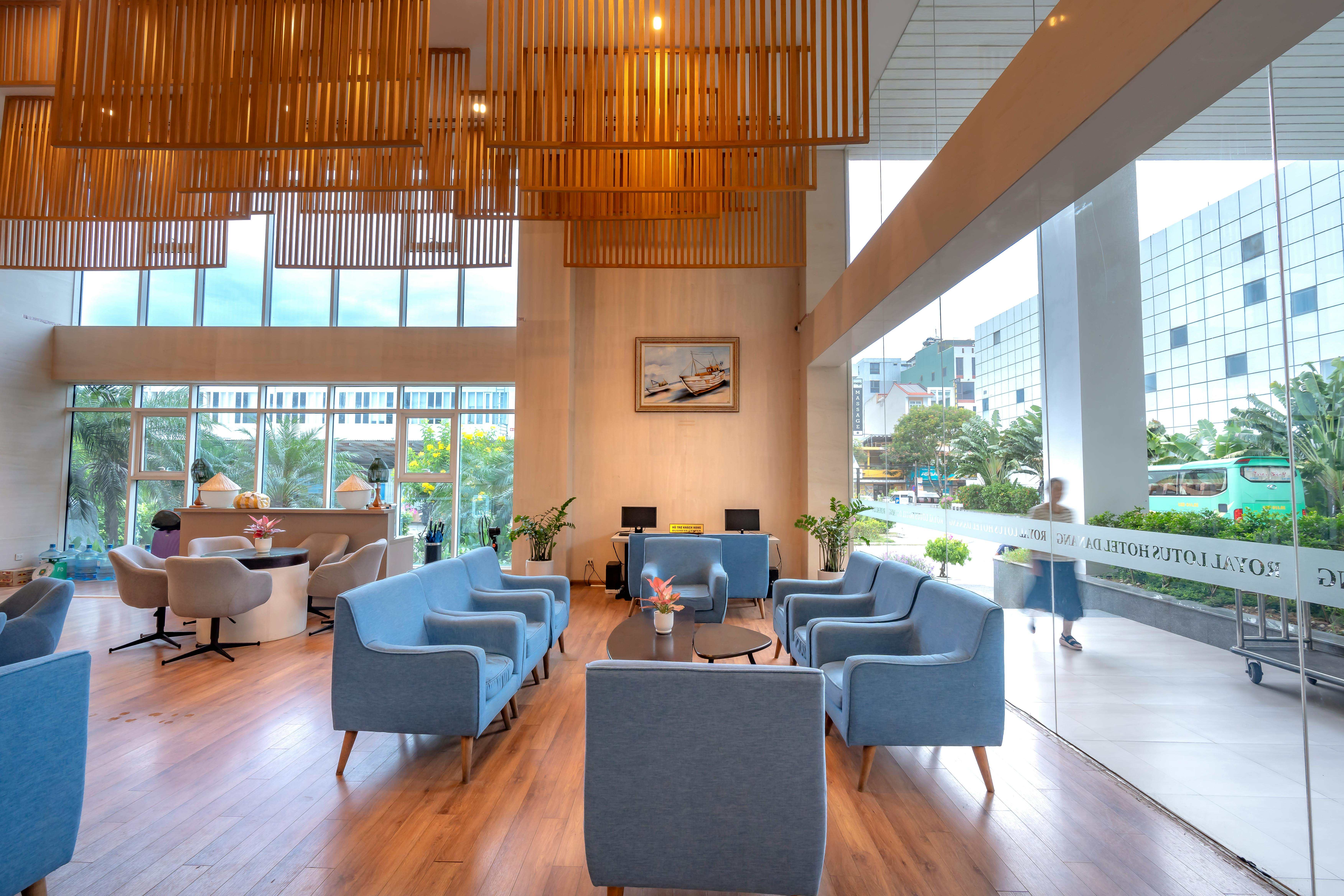
The lobby is compact and intentionally theatrical for its size — a feature wall in exposed concrete, brass-toned pendant lighting, and a check-in counter staffed by English-capable front desk personnel. The midnight check-in scenario, common among travelers arriving on late Shinkansen or flights via Kansai International, is handled smoothly: the desk runs 24 hours and the key system is card-based with no fuss. The lobby doesn’t linger — it moves you efficiently to the elevator — which is either a feature or a flaw depending on whether you want a hotel that performs or one that welcomes.
- 📍 Ground floor, Cross Hotel Osaka
- 💰 No lobby bar (vending machines on B1; convenience store 2-min walk)
- ⏰ 24-hour front desk
- ⭐ 4.4/5 (check-in experience, TripAdvisor 2025)
What locals know: The hotel’s luggage storage is free and available even after checkout — useful for a final half-day in Dotonbori before an evening departure.
The 10-Minute Walk: Dotonbori Canal
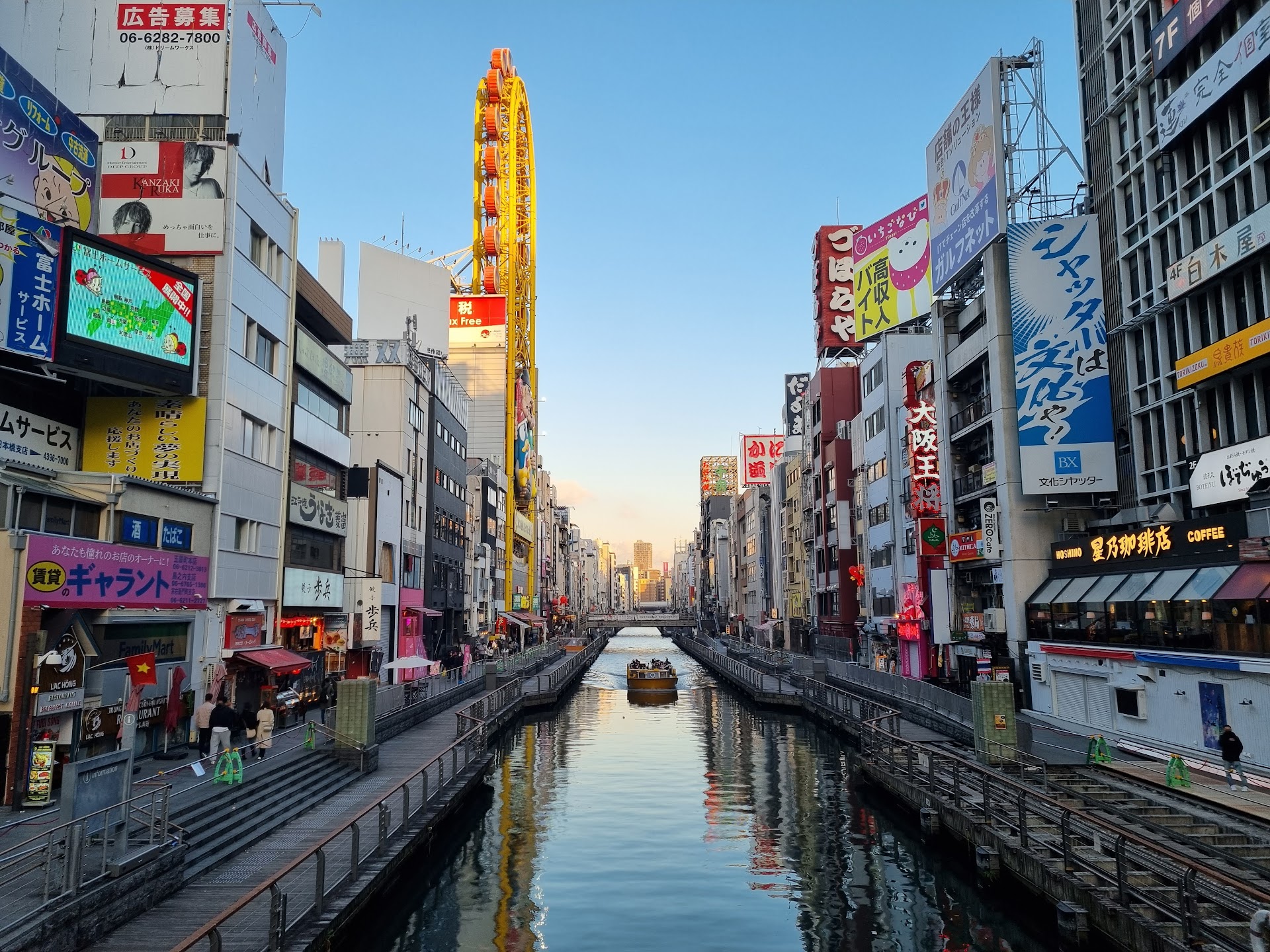
Step out the front entrance and Dotonbori is eight minutes on foot — less if you skip the light at Shinsaibashi crossing. The canal walk at dawn (before 08:00) is categorically different from the Dotonbori of midday tourist photographs: vendors are setting up, the neon Glico running man is still lit, and the canal reflects a softer version of the city. This is what the hotel’s location actually sells — proximity to one of Osaka’s most-visited corridors without sitting directly inside it. The 10-minute buffer is the right distance.
- 📍 Dotonbori Canal, 1-chome, Dotonbori, Chuo-ku, Osaka
- 💰 Free (public canal walk)
- ⏰ Accessible 24 hours; best light 06:30–08:00
- ⭐ 4.7/5 (Osaka visitor experience rating, Japan Tourism Agency 2025)
What locals know: Walk the south bank of the canal heading east from Ebisu Bridge — the north bank gets the tour groups and selfie poles; the south stays quieter and has better sightlines to the signage across the water.
The Rate Reality Check
At its midweek, off-peak rate of ¥12,000–¥14,000 per night, Cross Hotel Osaka represents a defensible midrange choice for the Namba location. The design is polished without being precious, the room size is the honest trade-off, and the breakfast adds functional value at the lower add-on price. Where the math gets harder is during peak season — when rates push toward ¥20,000–¥22,000, comparable options like Hotel Monterey Grasmere and Vessel Hotel Campana Namba enter the comparison meaningfully. At peak pricing, the Cross Hotel sells primarily on aesthetic and brand recognition. Whether that’s worth the premium is a judgment call only the individual traveler can make.
- 📍 Booking available via hotel direct, Booking.com, Agoda, Rakuten Travel
- 💰 ¥12,000 (off-peak midweek) → ¥22,000+ (cherry blossom / holiday peak)
- ⏰ Booking recommended 45–90 days ahead for peak season
- ⭐ 4.3/5 (value-for-money score, aggregate platforms)
What locals know: Rakuten Travel frequently offers a 5–10% member discount on direct-equivalent rates and includes free breakfast in select promotional packages — worth checking before booking through international OTAs.
Recommended Route
A practical day anchored at Cross Hotel Osaka might run as follows:
07:00 — Breakfast on the top floor. Arrive early for the Japanese-side options at their best.
08:00 — 8-minute walk to Dotonbori Canal. Walk the south bank east, then loop back via Ebisu Bridge before the first tour groups arrive.
09:30 — Return to the hotel. Check out or store luggage at the front desk.
10:00 — Shinsaibashisuji covered arcade, 3 minutes on foot from the hotel entrance. Weekday mornings before noon are walkable without crowd pressure.
12:00 — Kuromon Ichiba Market (Kuromon Market), a 12-minute walk northeast — Osaka’s covered food market with 180+ stalls. Grilled scallops, fresh tuna slices, and tamagoyaki are the market’s anchoring items.
14:00 — Return via taxi or a single subway stop (Namba to Shinsaibashi on the Midosuji Line, ¥230) if legs are tired.
15:00 → Late check-in guests arrive / checked-out guests collect stored luggage and continue exploring.
Budget · Transport · Booking
| Item | Estimated Cost |
|---|---|
| Room (standard double, midweek) | ¥12,000–¥18,000/night |
| Breakfast add-on | ¥1,800–¥2,200/person |
| Dotonbori canal walk | Free |
| Kuromon Market lunch | ¥1,500–¥2,500/person |
| Subway (Namba ↔ Shinsaibashi) | ¥230/trip |
| Total single-day estimate (1 person, room + meals + transport) | ¥17,000–¥25,000 |
Getting there: From Kansai International Airport (KIX), the Nankai Rapi:t express train runs directly to Namba Station in 38 minutes (¥1,290). The hotel is a 5-minute walk from Namba Station exits 1 or 2. Taxis from KIX run ¥8,000–¥12,000 and are only worth it for groups of 3+ with heavy luggage.
Booking lead time: 45 days minimum for standard seasons; 90 days for cherry blossom (late March–early April) and Golden Week (late April–early May). Cancellation policies vary by rate plan — flexible rates typically allow free cancellation up to 48 hours prior.
Must-Know Tips
- 🚇 Namba Station is the hub: Midosuji, Sennichimae, and Yotsubashi lines all converge here — the hotel’s location means virtually every Osaka attraction is within 2 subway stops or a 20-minute walk.
- 💰 Cash is still king in Osaka’s market stalls: Kuromon Ichiba vendors and many small Dotonbori restaurants operate cash-only. Carry at least ¥5,000–¥10,000 in notes; 7-Eleven ATMs (2-min walk from hotel) accept international cards.
- 📸 Photography in the lobby: Permitted for personal use; the front desk asks guests not to photograph other guests checking in — common courtesy, occasionally enforced.
- 🗣️ Language: Front desk staff handle English competently; restaurant-level English varies. A translation app (Google Translate’s camera function) handles menus efficiently.
- ⏰ Room size reality: At 18–22 sqm, two travelers with large suitcases will feel the footprint. Store one bag under the bed platform and use the closet rack actively — the room functions better with luggage off the floor.
- 🌧️ Rain contingency: The Shinsaibashisuji arcade is fully covered for 600 meters — a rainy-day Osaka experience that works perfectly with the hotel’s front-door location.
Closing
Cross Hotel Osaka is not a hotel that overpromises. The rooms are compact, the design is considered, the location is genuinely excellent, and the breakfast does its honest job. What it offers, at the right rate and the right season, is a well-edited base from which to read Osaka on its own terms — through a window that faces the city rather than away from it. Book the midweek rate, add breakfast, request a south-facing room on the 8th floor or above, and make the 07:30 Dotonbori walk the first line of the itinerary. That combination earns the rate. The hype, as usual, is a separate matter entirely.
🏨 Where to Stay
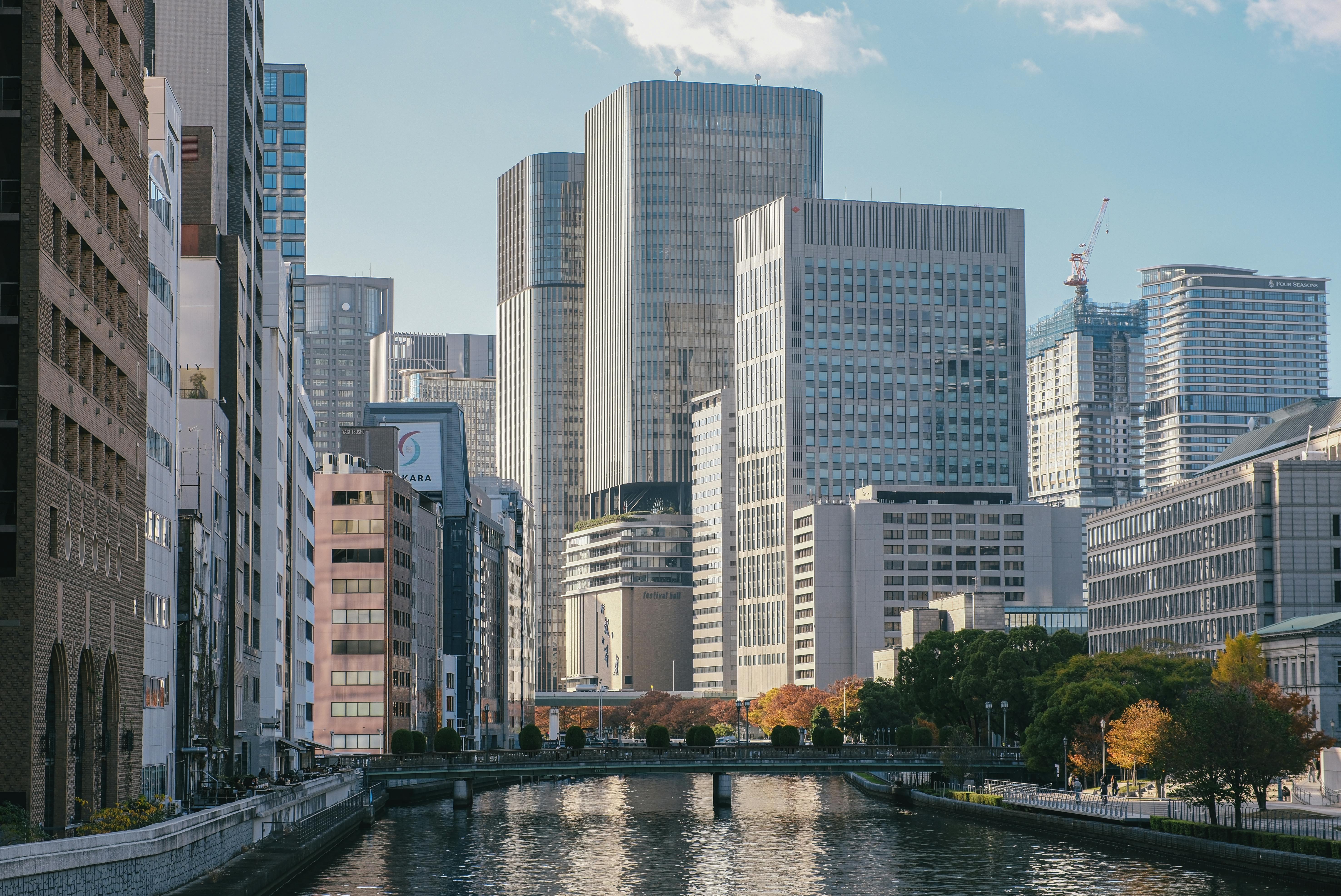 APA Hotel & Resort Osaka Umeda Eki Tower⭐ 3.0 · 8.5/10 (32,447) · $70 /night
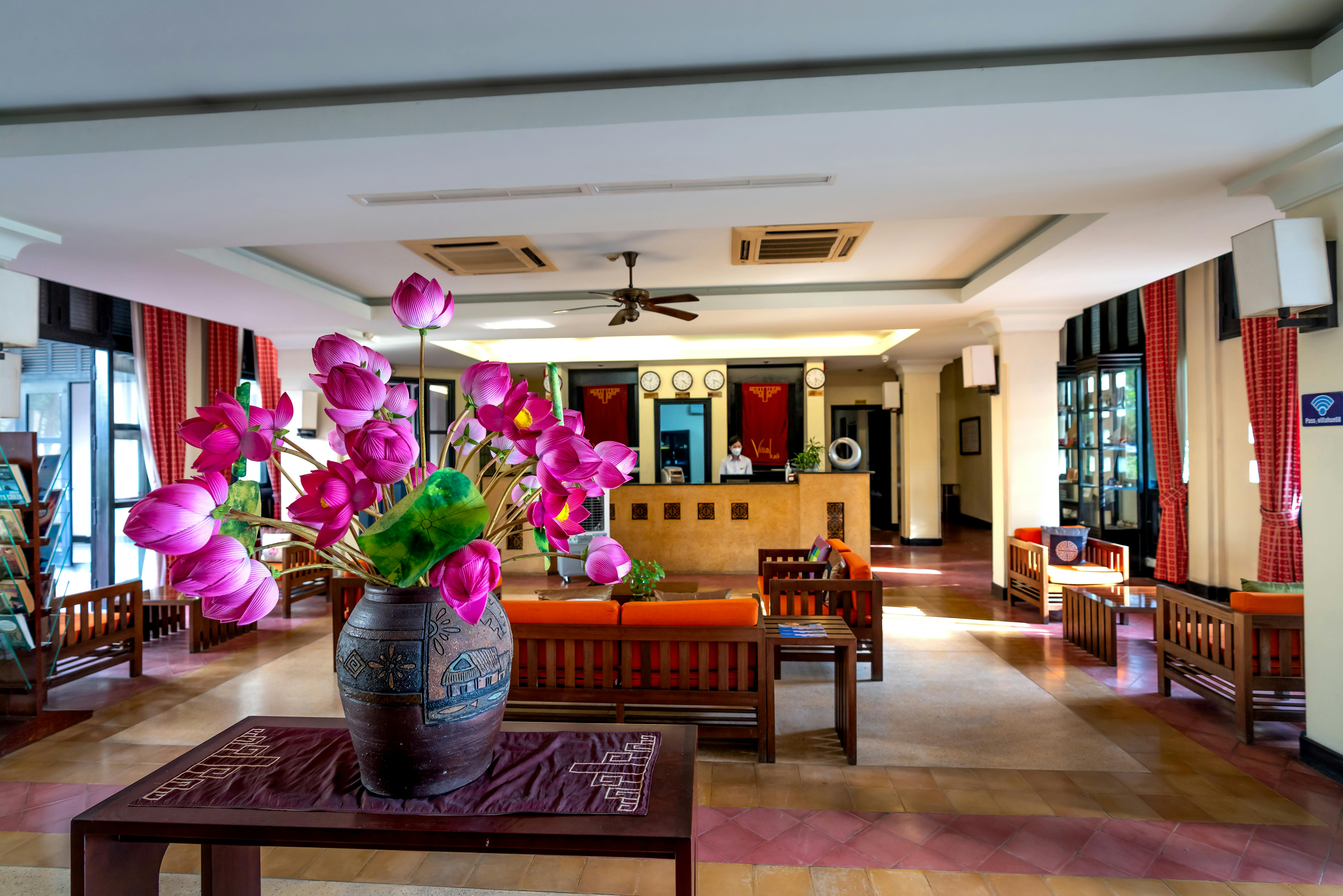 Hotel Hankyu GRAN RESPIRE OSAKA⭐ 5.0 · 8.8/10 (4,375) · $112 /night
 Hotel Villa Fontaine Grand Osaka Umeda⭐ 4.0 · 9.0/10 (6,364) · $101 /night
Agoda affiliate link — clicks go to the price-comparison page.