The St. Regis Osaka sits on Midosuji Boulevard like a quietly confident argument: that Osaka, a city famous for cheap street food and loud izakayas, can sustain a $600-a-night room without irony. The question worth asking before you tap “Reserve” is whether the hotel earns that rate — or whether the city simply outshines it.
Best Timing
Osaka rewards visits in late March through early April (cherry blossoms along the Okawa River) and again in mid-October through mid-November (mild air, lower humidity, autumn light that turns even a glass tower amber). Midosuji’s ginkgo trees line up in full gold by early November, which means the St. Regis’s street-facing rooms briefly become some of the most photogenic in the city. Summer (July–August) is genuinely brutal — 35°C with dense humidity — and while the hotel’s air conditioning is impeccable, the 10-minute walk outside will cost you.
For the hotel itself, weekday stays are meaningfully quieter and sometimes 15–20% cheaper than weekend rates. Check in on a Tuesday or Wednesday and the butler service feels personal rather than procedural. The breakfast crowd thins, the spa has open lanes, and the Midosuji view at 7 a.m. belongs almost entirely to you.
Core Experiences
Butler-Service Check-In
The St. Regis ritual begins at the entrance, where a dedicated butler — not a front-desk agent — handles the entire arrival. Bags disappear quietly. A preferences conversation happens in the suite, not at a counter. It is the kind of check-in that reframes what the word means: less transaction, more orientation. The butler learns your wake-up preference, coffee order, and whether you want the curtains drawn before arrival. For first-time guests, this moment alone shifts the value calculus.
- 📍 St. Regis Osaka, 3-6-12 Honmachi, Chuo-ku, Osaka 541-0053 · 💰 Rooms from
¥85,000/night ($600 USD) · ⏰ Check-in from 15:00 · ⭐ 4.8 / 5.0 (Booking.com) - Local tip: Request the butler’s direct line at check-in — texting requests in English is faster than calling the main desk and gets a response within minutes.
The Guest Room — Honestly
The press photos do not lie, but they do compress. The standard Deluxe Room runs approximately 52 square meters, furnished in warm ivory, brushed brass, and dark walnut — precisely the palette HotelLens would design if asked. The bed uses St. Regis’s proprietary Remède mattress with Italian linen at a thread count you notice immediately when you slide in at midnight. The bathroom is marble throughout, with a soaking tub deep enough to matter and a rain shower separate from it. What the photos omit: the city-view windows face Midosuji directly, which means you see the boulevard’s ginkgo canopy at eye level from the 12th floor and above — an intimate urban panorama rather than a sweeping skyline shot. The view rewards a weekday morning more than a weekend evening.
- 📍 Floors 12–24, city-side rooms recommended · 💰 Deluxe Room ¥85,000–¥110,000/night depending on floor · ⏰ 24-hour access · ⭐ 4.7 / 5.0
- Local tip: Rooms ending in -07 on floors 15 and above align directly with the Midosuji ginkgo corridor — ask specifically when booking, not at check-in.
Les Célébrations Breakfast at Bouchon
The St. Regis Osaka’s breakfast is served at Bouchon, the French brasserie on the second floor, and it functions as a useful stress test for any luxury hotel: breakfast reveals whether the kitchen cares as much at 7:30 a.m. as it does at 8:00 p.m. Here, the evidence is strong. The buffet anchors on house-baked croissants (properly laminated, noticeably buttery), Kyoto-sourced tamago (a soft Japanese omelette station run to order), and a cold seafood section that on weekdays includes Hokkaido sea urchin at no upcharge. The à la carte eggs Benedict arrive on brioche with miso hollandaise — a small, well-judged local edit. Coffee is single-origin, filter-brewed, refilled without asking. The room itself is hushed at 7 a.m., linen-tabled, with morning light pooling from north-facing windows.
- 📍 Bouchon, 2F St. Regis Osaka · 💰 Buffet breakfast ¥7,500/person (~$53); included in some rate packages · ⏰ Daily 07:00–10:30 · ⭐ 4.6 / 5.0
- Local tip: The Hokkaido uni station is stocked only on weekday mornings and runs out by 9:15 — arrive before 8:00 if that matters to you.
Iride Spa & Fitness
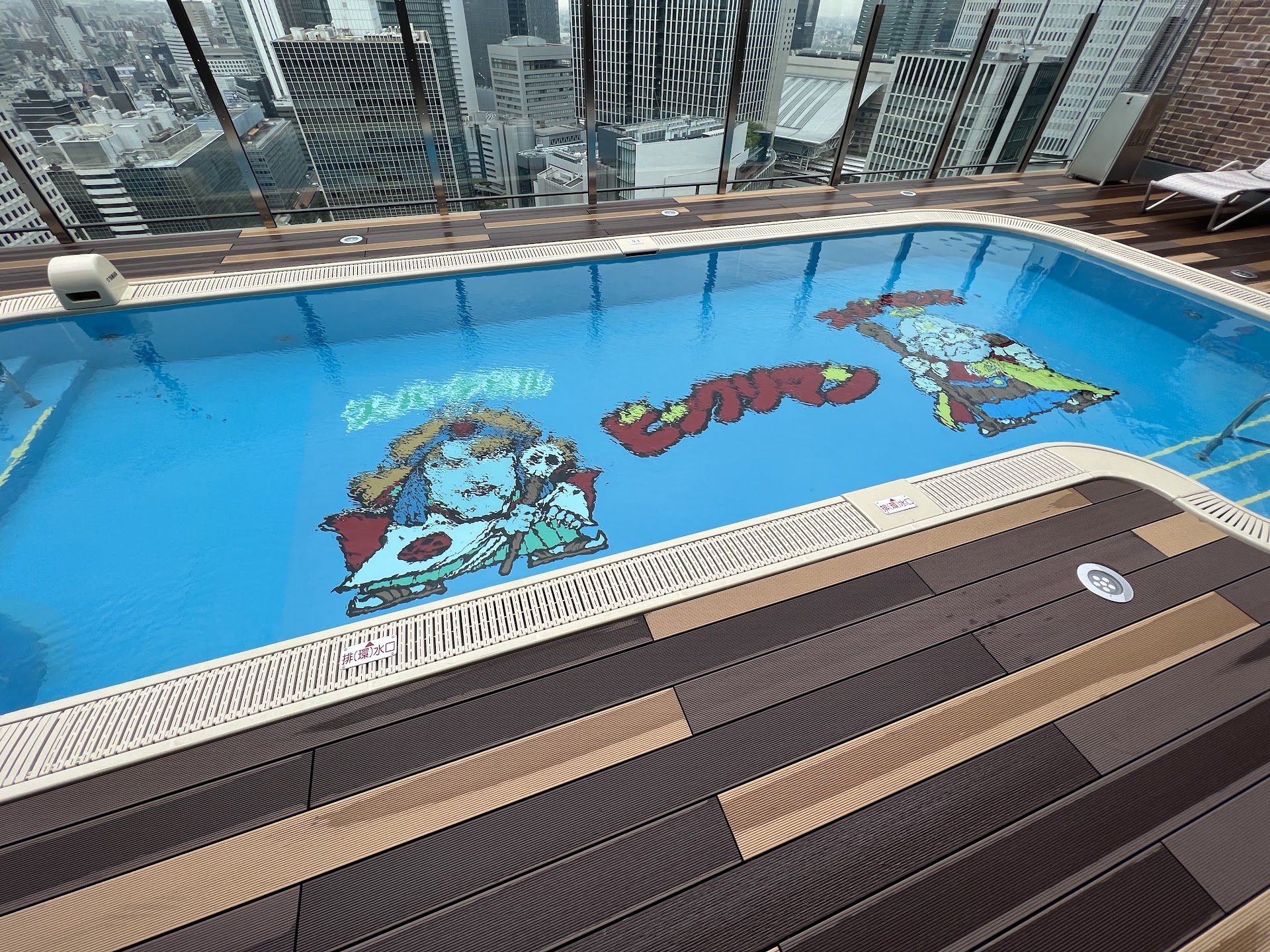
The Iride Spa occupies the upper floors and operates on a philosophy of restraint: fewer treatment rooms than a resort property, but each one larger and quieter than typical city-hotel spas. The signature treatment is the Osaka Stone Journey (90 minutes, ¥32,000), which uses locally sourced river stones alongside a Japanese pressure-point sequence. The indoor pool is 15 meters — short for laps but adequate — with an adjoining hot tub positioned to catch the same Midosuji view as the upper-floor rooms. The fitness center runs 24 hours and stocks Technogym equipment with enough variety that a serious workout is achievable. The spa’s real value-add for the rate: it is rarely crowded on weekday mornings, which makes the ¥2,500 day-use access (for non-treatment visitors) one of the hotel’s quieter bargains.
- 📍 Iride Spa, Upper Floors, St. Regis Osaka · 💰 Osaka Stone Journey ¥32,000 (~$225); day-use pool/fitness ¥2,500 · ⏰ Spa 10:00–21:00; Fitness 24 hours · ⭐ 4.5 / 5.0
- Local tip: Book spa treatments at least 48 hours in advance online — the 90-minute slots fill entirely on Friday afternoons through Sunday.
The 10-Minute Walk: Midosuji & Honmachi
The St. Regis’s Midosuji address is the sleeper argument for its rate. Step outside and within ten minutes on foot, the neighborhood delivers a compressed portrait of Osaka’s working-city identity: the Honmachi textile wholesale district (open weekdays, mostly wholesale but browsable), the Midosuji subway boulevard lined with twin rows of ginkgo that turn gold in November, and three independent coffee shops — notably Trunk Coffee & Craft on Awaza-dori — that open by 8:00 a.m. and serve filter coffee at a standard that would satisfy any serious drinker. This is not Dotonbori’s performance; it is Osaka before the tourists arrive, which is, depending on what you came for, worth considerably more.
- 📍 Start from St. Regis Osaka main entrance; walk north on Midosuji 5 min, then east into Honmachi · 💰 Free to walk; coffee ¥700–¥950 · ⏰ Best 07:00–09:00 weekdays · ⭐ 4.7 / 5.0 (neighborhood walkability, Google Maps)
- Local tip: The Midosuji ginkgo canopy is at full gold between November 5–20 most years — the hotel’s city-view rooms become disproportionately worth their rate during this window.
Recommended Route
A full day through the St. Regis Osaka lens:
07:00 — Wake to the butler’s pre-arranged curtain service and Midosuji at dawn. Coffee arrives in-room if requested the night before.
07:30 — Breakfast at Bouchon. Arrive early for the Hokkaido uni station. Allocate 45–60 minutes; it is not a meal to rush.
09:00 — Check out the Iride Spa fitness center before the mid-morning crowd. Or book the Osaka Stone Journey for 10:00 if pre-reserved.
10:30 — Exit via the main entrance and walk north on Midosuji. Turn east into the Honmachi district. Browse the textile blocks; stop at Trunk Coffee & Craft (approx. 8-min walk from the hotel).
12:00 — Walk south to Shinsaibashi (🚇 Midosuji Line, 2 stops, ¥230) for lunch. The covered arcade leads directly into Dotonbori if curiosity pulls that way.
14:00 — Return to the hotel. The afternoon is the right time for a room tour: photograph the linen, the brass fixtures, the Midosuji view. The light is direct west-facing from around 14:30.
18:00 — Sundowner at the hotel bar before dinner. The bar cart is butler-delivered to suites; the lounge is quieter than comparable properties in Shinsaibashi.
20:00 — Dinner at Bouchon or at one of three Michelin-starred restaurants within a 15-minute walk (Hajime, rated three stars, is a 12-minute taxi from the hotel).
Budget · Transport · Booking
- 🏨 Room rate: ¥85,000–¥130,000/night ($600–$920 USD) depending on room type and season. Best rates appear 45–60 days out on the St. Regis direct website; member rates (Marriott Bonvoy) save 5–10%.
- 🍴 Breakfast: ¥7,500/person if not packaged; packaging it into the room rate (often +¥10,000 for two) is marginally better value.
- 💆 Spa: ¥32,000 for the signature treatment; budget ¥5,000–¥8,000 for shorter options.
- 🚇 Transport: Osaka Metro Midosuji Line stops at Honmachi Station (Exit 7, directly beneath the hotel). Day pass ¥820. Taxis to Dotonbori: ¥900–¥1,200.
- 📅 Advance booking: Reserve spa treatments 48 hours minimum; book rooms direct for best rate and butler-preference notes — third-party platforms do not pass those preferences to the property.
- 💴 Total daily budget (room + breakfast + spa + transport + one dinner out): approximately ¥140,000–¥180,000 per person, depending on choices.
Must-Know Tips
- 💳 Card vs. cash: The hotel is fully card-compatible (Amex, Visa, Mastercard), but the Honmachi textile district and many local coffee shops are cash-preferred. Withdraw ¥10,000–¥20,000 for neighborhood spending at the 7-Eleven ATM on Midosuji (2-min walk).
- 📸 Photography: The lobby, Bouchon, and lower-floor corridors permit personal photography. The spa and pool areas do not. Ask the butler before pointing a camera anywhere in the upper-floor lounge.
- 👔 Dress code: No enforced dress code for breakfast or the bar, but Bouchon dinner service expects smart-casual minimum. The spa requires the hotel-provided robe and slippers in common areas.
- 🌡️ Seasonal packing: November visits warrant a medium-weight coat — Osaka evenings drop to 10–12°C, and the walk to/from the hotel from dinner is exposed on Midosuji.
- 🗣️ Language: Front desk and butlers are fluent in English. Neighborhood shops are not — a translation app (Google Translate camera mode) handles the textile district without friction.
- 🎌 Timing the ginkgo: If autumn color is the reason you are coming, check the Osaka Midosuji Ginkgo Twitter/X account (maintained by the city) for real-time leaf-status updates — it posts daily from late October.
Closing
A $600 room in Osaka carries an implied question: is this city — built on cheap takoyaki, communal izakayas, and the cheerful efficiency of the Midosuji Line — actually asking for this kind of hotel? After spending time with what the St. Regis Osaka genuinely delivers, the answer is conditional. The butler service is real and measurably different from front-desk theatre. The linen is the best in the city. The Midosuji address is underrated as a neighborhood, not just a postcode. But the rate only justifies itself if you use the hotel as a base of observation — breakfast slow, spa morning, neighborhood walk before 9 a.m. — rather than a trophy. Stay short and use it fully, or stay elsewhere and visit Osaka on the city’s own, considerably cheaper, terms.
Actionable takeaway: Book a weekday Deluxe Room (floor 15+, city side) 45 days out via Marriott Bonvoy direct, add breakfast, pre-reserve the spa. Total cost lands near ¥100,000/night all-in — and for that, the St. Regis Osaka largely earns it.
🏨 Where to Stay
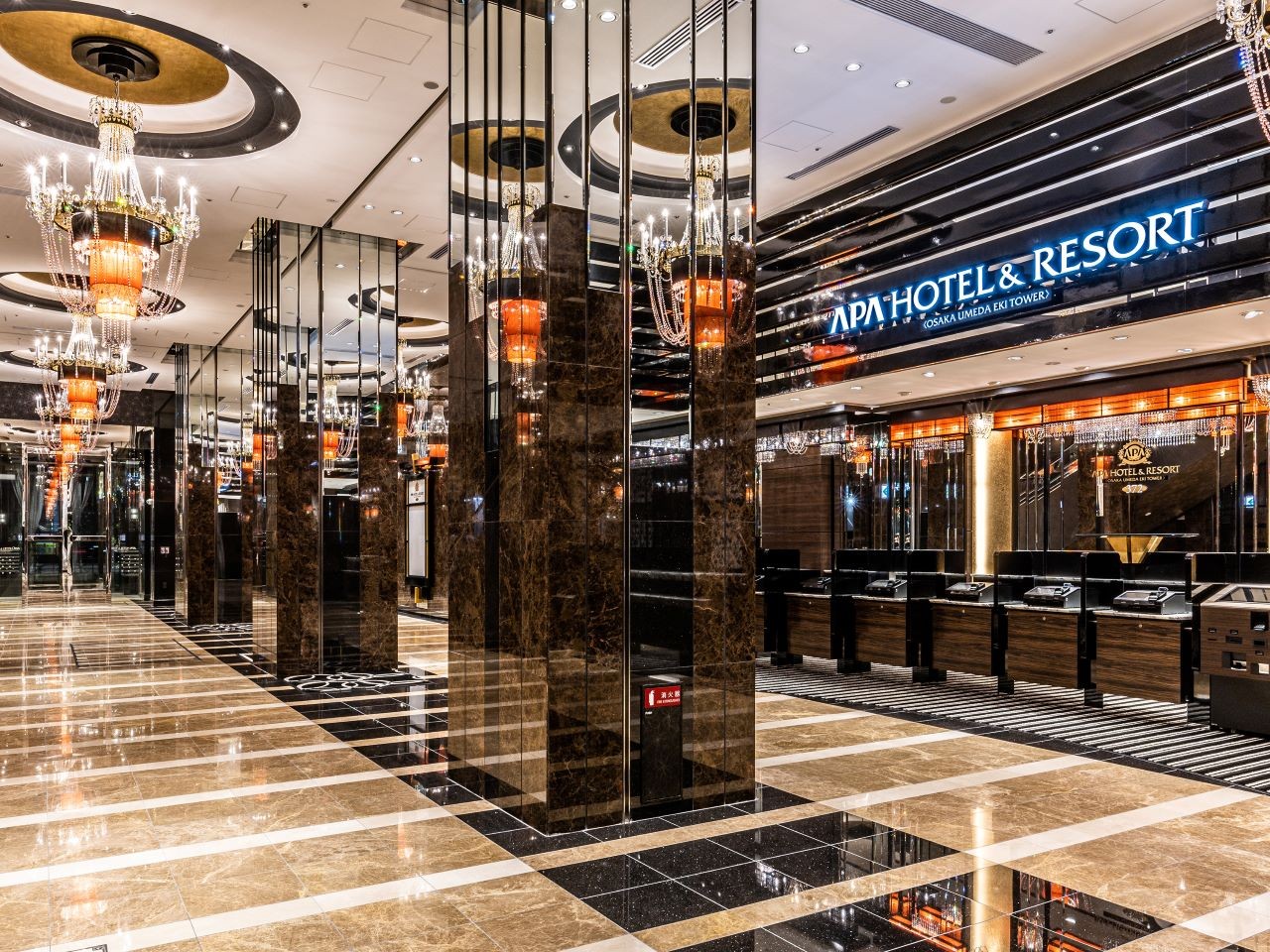 APA Hotel & Resort Osaka Umeda Eki Tower⭐ 3.0 · 8.5/10 (32,906) · $80 /night
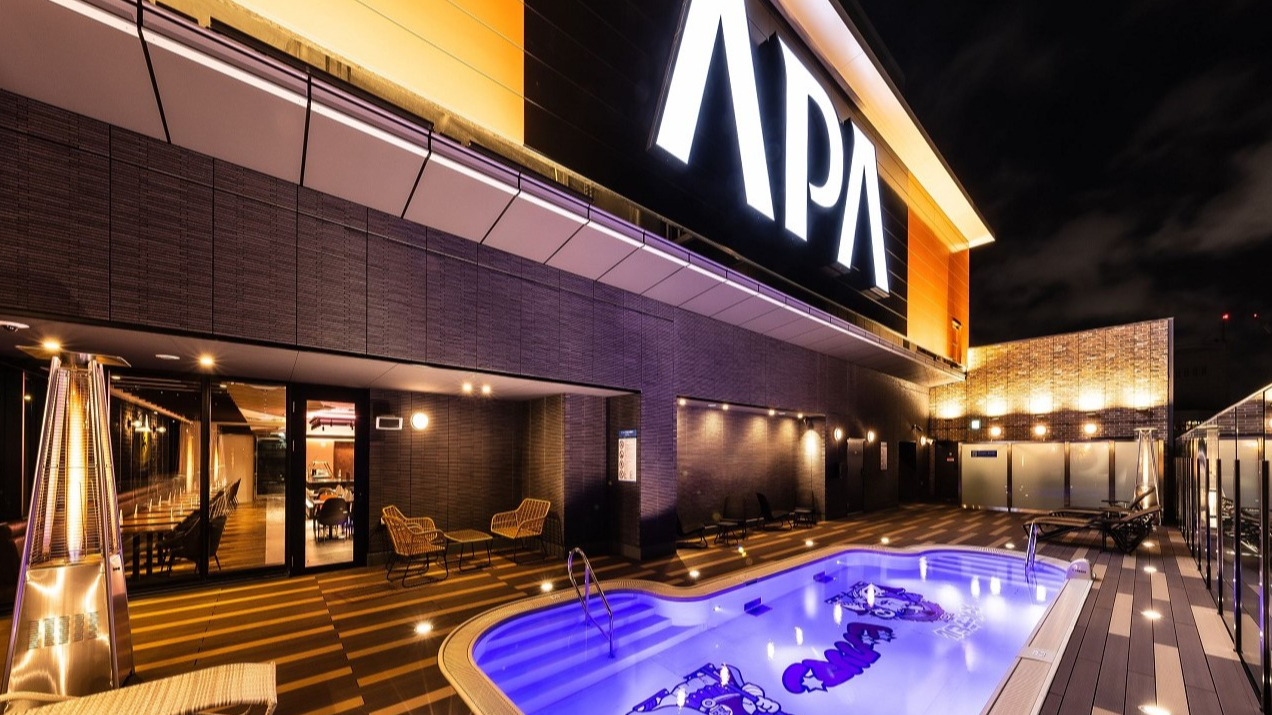 Hotel Hankyu GRAN RESPIRE OSAKA⭐ 5.0 · 8.8/10 (4,690) · $142 /night
 Hotel Villa Fontaine Grand Osaka Umeda⭐ 4.0 · 9.0/10 (6,460) · $132 /night
Agoda affiliate link — clicks go to the price-comparison page.