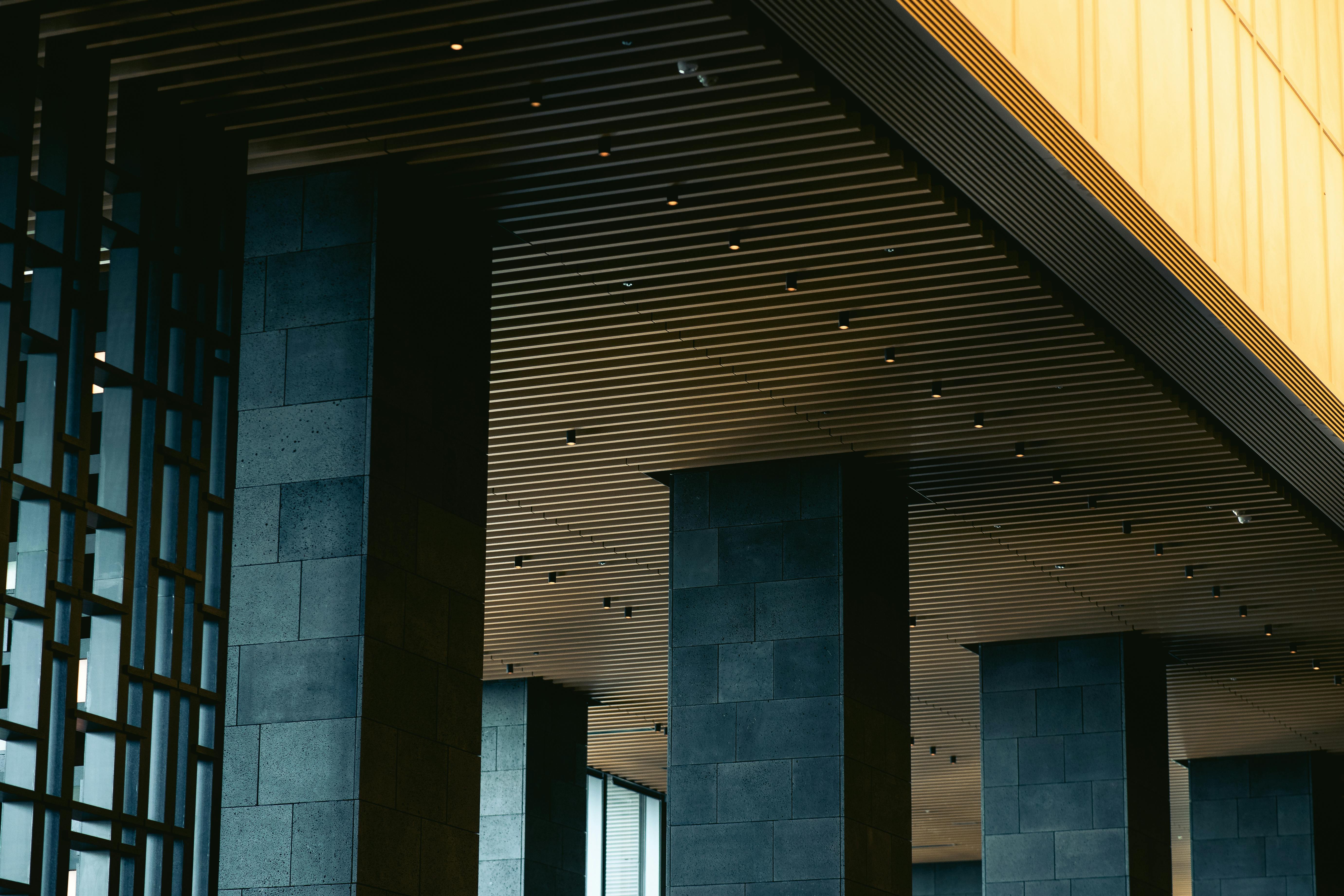
At $1,500 a night, Aman Tokyo demands a reckoning. Either the room earns every dollar, or it becomes the most beautiful regret in your travel history. Here is an honest, unhurried look at what that rate actually buys — from the 33rd-floor arrival corridor to the washi-paper walls and the breakfast that reframes the city before the rest of Tokyo wakes up.
Best Timing
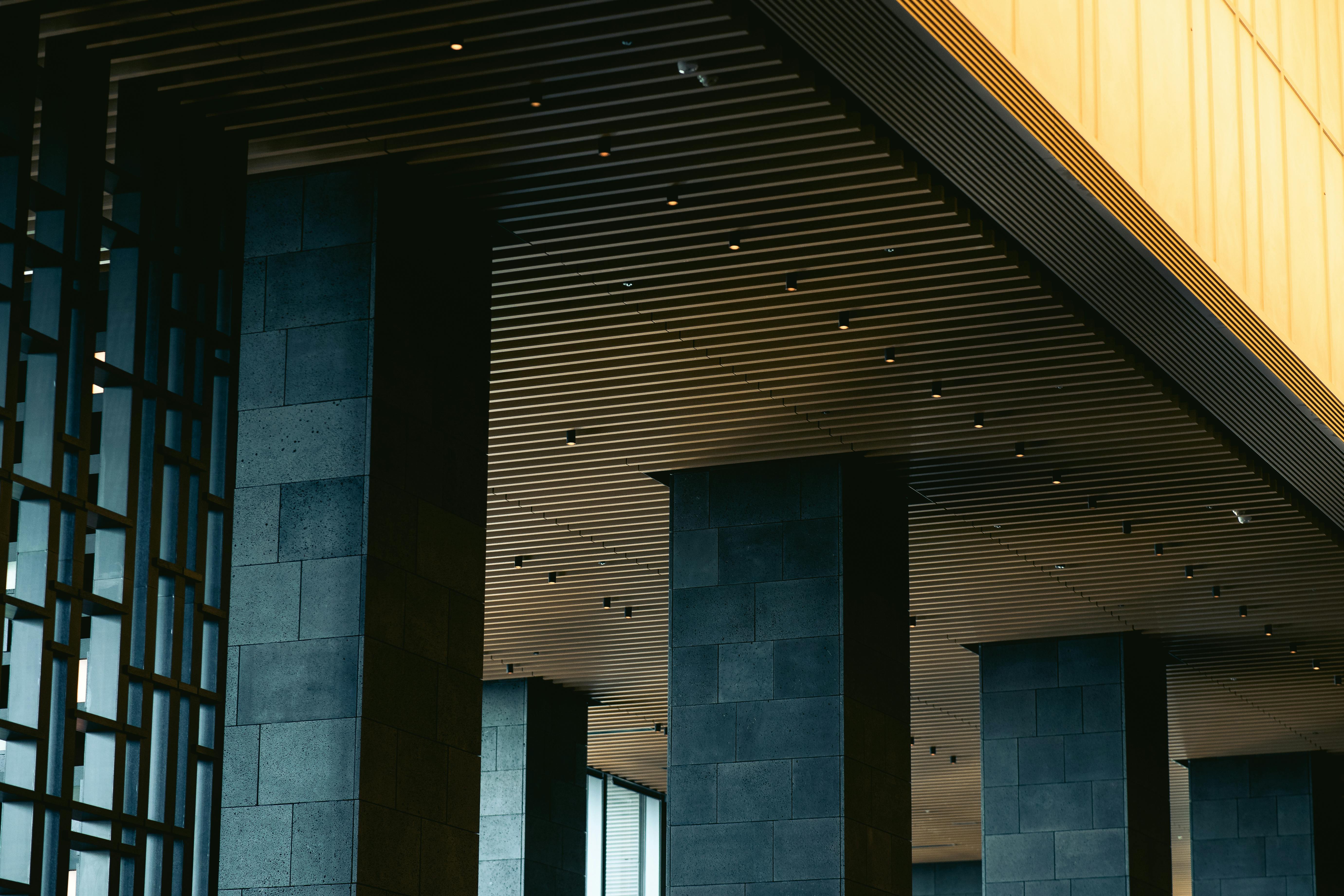
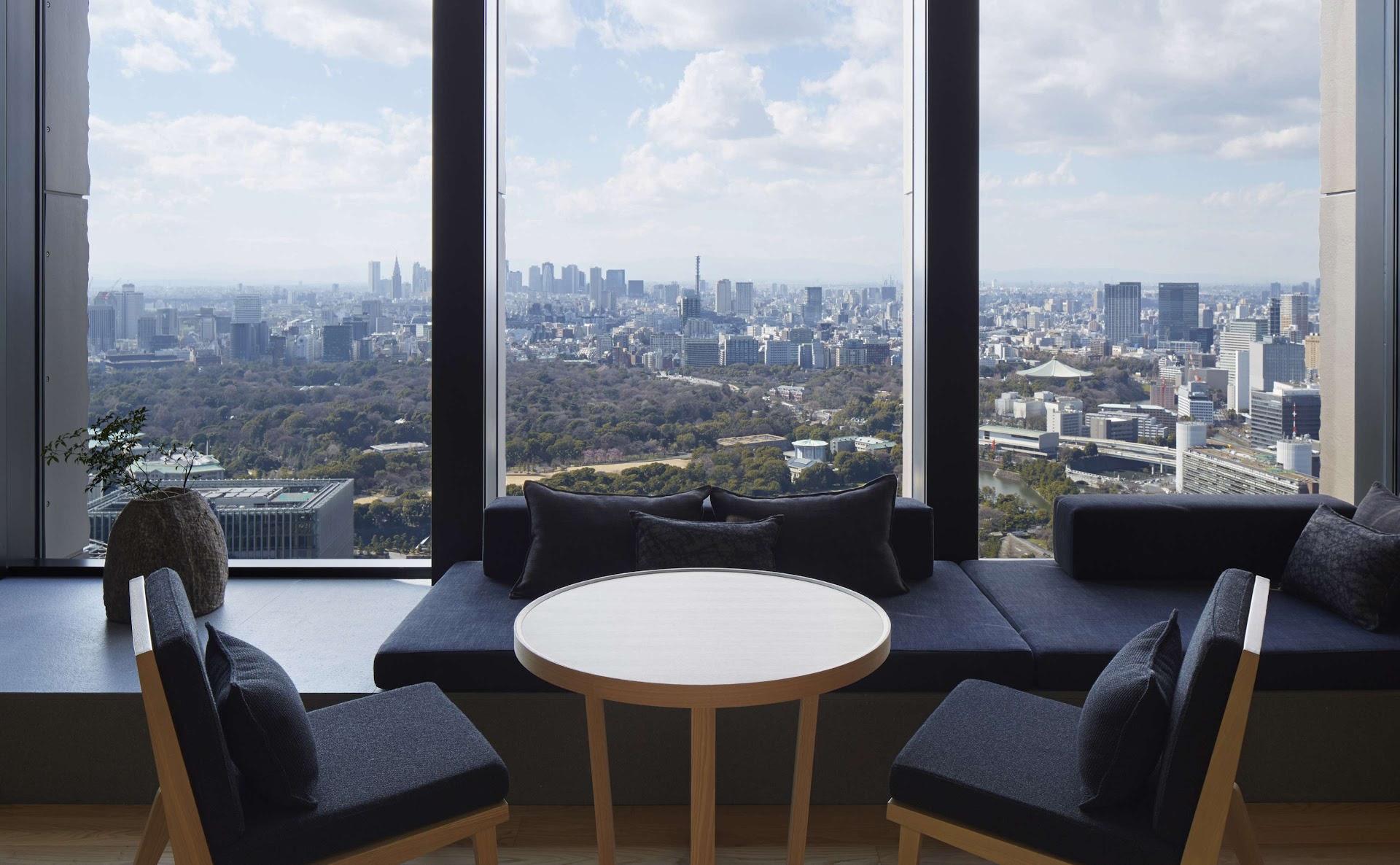
The most considered time to visit Aman Tokyo is late March to early April (cherry blossom season) and mid-October to mid-November (autumn foliage). Both windows bring the city’s natural palette to a peak, and the hotel’s floor-to-ceiling windows — framing the Imperial Palace gardens and Mount Fuji on clear days — make timing genuinely matter. Rates climb during cherry blossom week, sometimes exceeding ¥300,000 per night, so booking at least 90 days in advance is not caution; it is necessity.
Weekday check-ins, particularly Sunday through Tuesday, carry the quietest lobby energy. The 33rd-floor reception area — all 9-meter cedar ceilings and indirect lamplight — feels most like itself when it is not absorbing a weekend conference crowd. Arrive after 6 p.m. if you want the city glittering below without the glare of an afternoon sun that flattens everything.
Core Experiences
The 33rd-Floor Arrival Corridor
The check-in at Aman Tokyo does not happen at a desk. It happens in motion. Guests step out of a private elevator into a corridor paneled in pale timber and handmade Japanese paper, the city spread in panorama sixty meters below. There is no queue, no rope line, no numbered ticket — a single host walks alongside, speaking quietly, handling keys and preferences the way a concierge at a small ryokan would. The effect is disorienting in the best possible sense: you expected a hotel lobby and found something closer to a private floor in a building that happens to rent rooms.
- 📍 Aman Tokyo, The Otemachi Tower, 1-5-6 Otemachi, Chiyoda-ku · 💰 Included with stay · ⏰ Check-in from 15:00 · ⭐ 4.9
- What locals know: The corridor faces northwest — ask the host to pause at the north-facing window panel before proceeding to the room. On clear winter mornings, Mount Fuji is visible as a faint silhouette above the Shinjuku skyline.
The Washi-Paper Guest Rooms
Every room at Aman Tokyo is designed around washi — the handmade Japanese paper that lines the upper walls, diffusing daylight into something that feels warmer than the sun itself has any right to be. The entry-level Deluxe Room at roughly 85 square meters is not a standard room padded with expensive furniture; it is an architectural argument for restraint. The palette runs cream, raw cedar, and veined stone. The freestanding soaking tub is positioned to face the window. The bed faces the city. There are no decorative objects that do not serve a function. Silence, here, is also a design choice — the acoustic insulation at this altitude is remarkable, and the city below performs without sound, like footage with the audio stripped.
- 📍 Floors 33–38, Aman Tokyo · 💰 From approx. ¥220,000/night (≈ $1,500 USD) · ⏰ Check-in 15:00 / Check-out 12:00 · ⭐ 4.8
- What locals know: Request a room on the 37th or 38th floor when booking — the marginal rate difference, if any, is worth the extra elevation for the Imperial Palace garden view rather than the Tower wing rooftop.
The Aman Spa
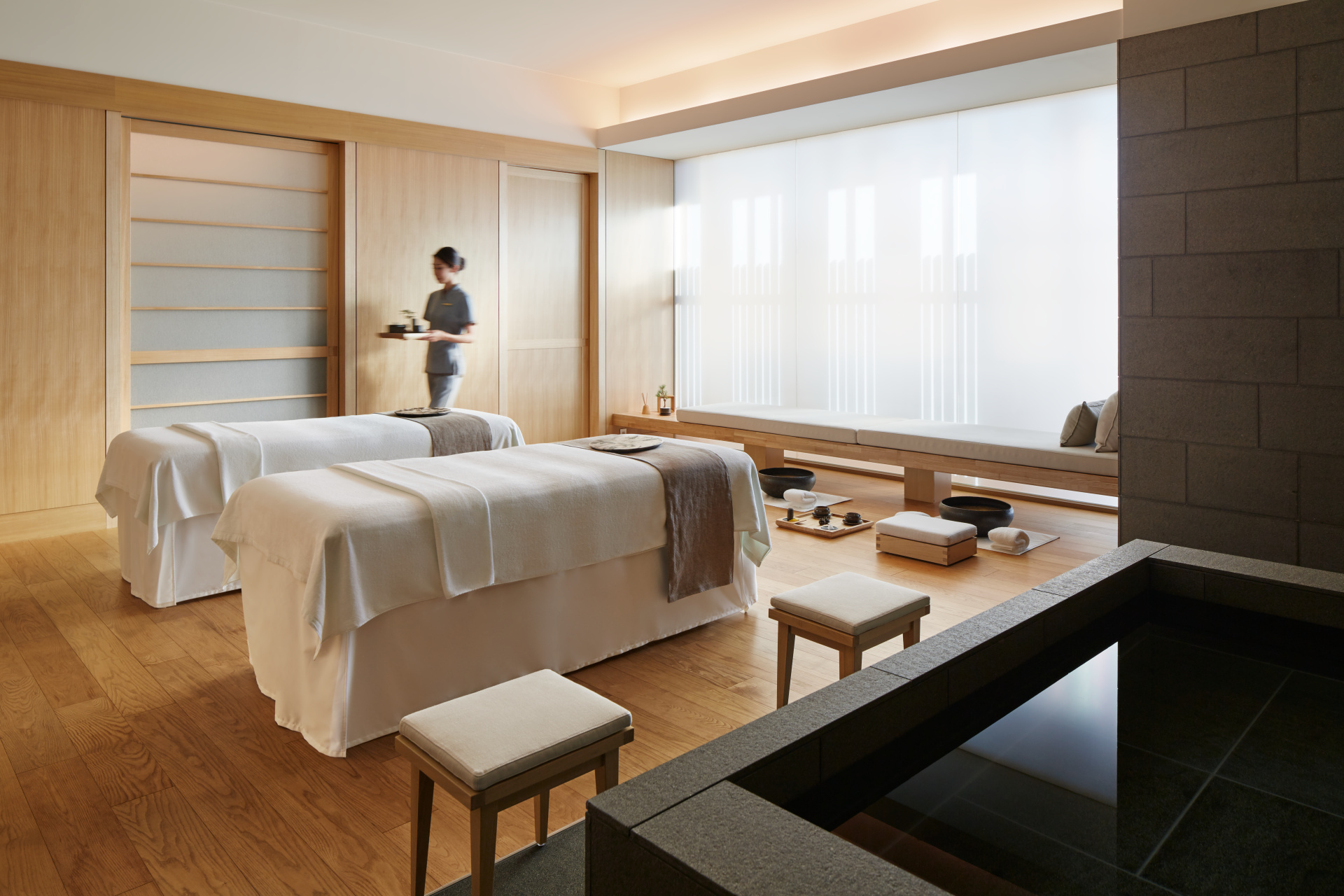
At 2,500 square meters, the Aman Tokyo spa is one of the largest hotel spa footprints in Central Tokyo, which is not a city known for giving square footage to stillness. The indoor pool is 30 meters long, lit by natural light filtered through shoji screens. Treatment rooms are built around the traditional Japanese bathing sequence — a soak, a steam, then bodywork — and the signature Aman Journey treatment (90 minutes, approx. ¥55,000) maps that sequence onto a contemporary deep-tissue structure. The hot stone bathing area adjacent to the pool is available to all hotel guests at no additional charge, which shifts the per-night calculus meaningfully.
- 📍 33rd Floor, Aman Tokyo · 💰 Treatments from ¥28,000; pool & bathing area complimentary for guests · ⏰ 07:00–22:00 daily · ⭐ 4.8
- What locals know: The pool is least occupied between 07:00 and 08:30 on weekdays. Arrive then and the 30-meter lane is likely yours entirely, with the Otemachi skyline shifting from blue-grey dawn to full gold.
The Breakfast Spread at The Restaurant
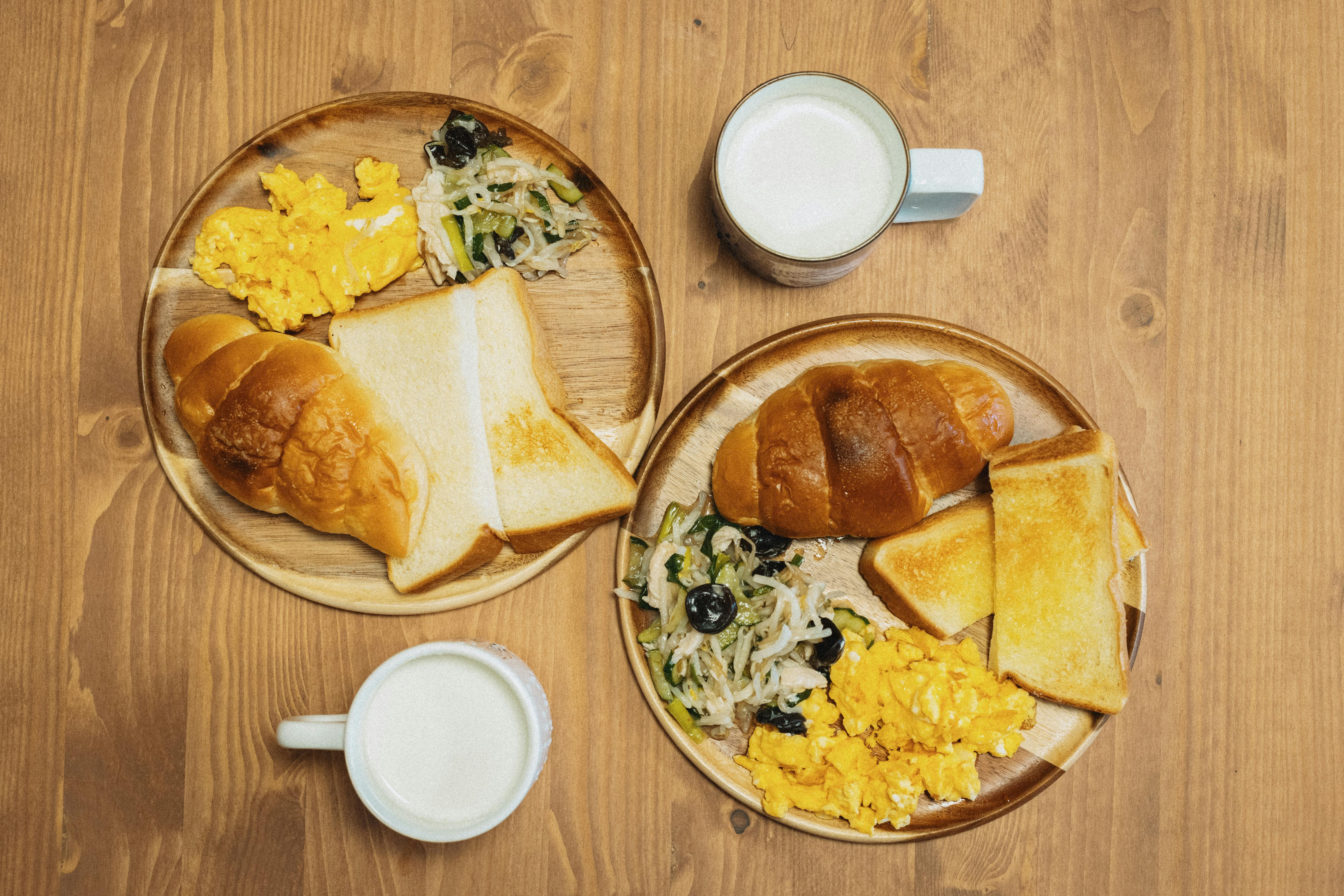
Breakfast at Aman Tokyo runs as a semi-buffet with full à la carte service — the configuration that reveals the most about a hotel’s actual investment in the morning. The spread presents both a Japanese breakfast set (pickled vegetables, miso soup, grilled fish, dashimaki tamago, steamed rice) and a Western option anchored by properly sourced eggs and Hokkaido dairy. What the breakfast communicates about the city is this: that Tokyo at 8 a.m. is precise, considered, and not in a rush — the same character the hotel itself projects. The dining room faces southeast, and the morning light arrives almost on schedule.
- 📍 The Restaurant, 33rd Floor, Aman Tokyo · 💰 Approx. ¥8,500–¥12,000 per person (often included in rate packages) · ⏰ 07:00–10:30 daily · ⭐ 4.7
- What locals know: The Japanese breakfast set takes about 20 minutes longer than the Western option because components are prepared individually. Order it first, then request coffee — the pacing becomes its own form of the meal.
The 10-Minute Walk: Otemachi Financial District & Imperial Palace East Gardens
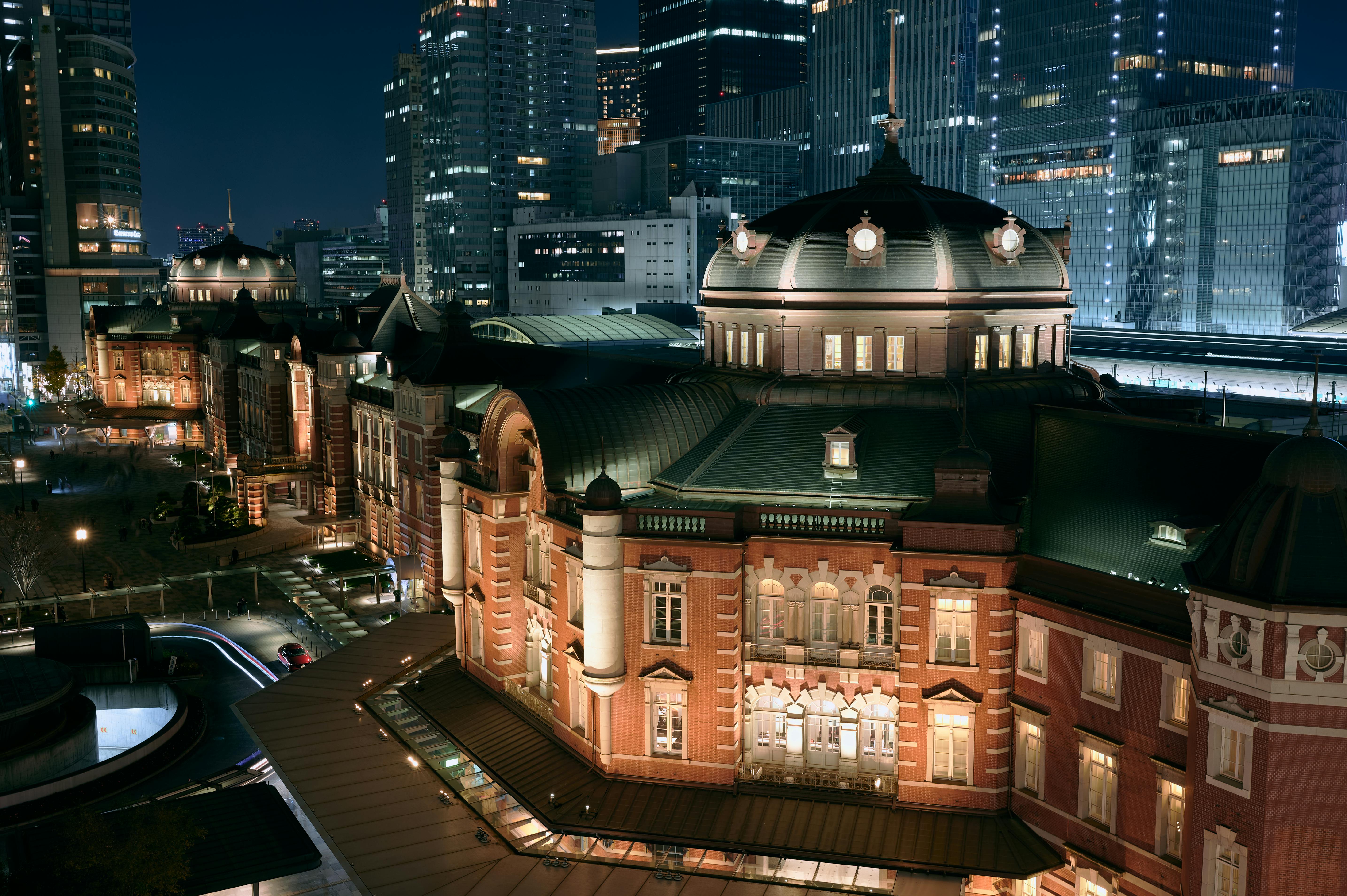
The Aman Tokyo’s location in Otemachi — Tokyo’s most formal financial district — is either its most interesting or least intuitive feature, depending on what you expect from luxury. Step out of the hotel tower and within four minutes on foot you reach the Kitanomaru Gate entrance to the Imperial Palace East Gardens, 210,000 square meters of curated landscape maintained by the Imperial Household Agency. Admission is free. The garden opens at 09:00 most days and closes at 16:30 (earlier in winter). The contrast between the Otemachi towers and the garden’s stone walls and plum groves is the most compressed version of Tokyo’s dual nature you can experience without a train. At dawn, the 10-minute walk north also brings you to Kanda Myojin Shrine, active since the 8th century and still visited daily by salarymen making an offering before the trading day opens.
- 📍 Imperial Palace East Gardens: 1-1 Chiyoda, Chiyoda-ku / Kanda Myojin: 2-16-2 Sotokandalda, Chiyoda-ku · 💰 Imperial Palace East Gardens: Free / Kanda Myojin: Free (main precinct) · ⏰ Gardens 09:00–16:30 (closed Mon/Fri) · ⭐ 4.6
- What locals know: The Ninomaru Garden section inside the East Gardens retains a small iris field that peaks in mid-June — almost entirely unknown to international visitors and at its quietest on weekday mornings.
Recommended Route
This is a single-night or checkout-morning itinerary designed to use the hotel and its immediate geography fully before the city’s pace accelerates.
- 07:00 — Hot stone bathing area or pool lap swim (the spa opens at 07:00; arrive before the breakfast wave)
- 08:00 — Japanese breakfast set at The Restaurant. Order tea first, set second, coffee after. Allow 90 minutes.
- 09:30 — 4-minute walk south to the Imperial Palace East Gardens Kitanomaru entrance (opens 09:00). Walk the outer loop of the Ninomaru Garden. ~45 minutes at a relaxed pace.
- 10:30 — Walk north through Otemachi to Kanda Myojin Shrine (~12 minutes on foot). Observe the morning ritual, not a tourist performance.
- 11:30 — Return to hotel. The lobby corridor light peaks near midday — worth one slow pass before checkout.
- 12:00 — Checkout. If the rate included breakfast, the effective accommodation cost per hour of experienced luxury is lower than it first appears. Do the math before leaving.
Budget · Transport · Booking
- Room rate: ¥220,000–¥350,000/night (≈ $1,450–$2,300 USD depending on season and room tier)
- Breakfast: Included in most packages; à la carte runs ¥8,500–¥12,000/person
- Spa treatments: ¥28,000–¥55,000 per session; pool/hot-spring bathing area is complimentary
- Imperial Palace East Gardens: Free
- Transport to hotel: From Narita Airport, the Narita Express (N’EX) to Tokyo Station takes
60 minutes (¥3,070) followed by a 5-minute taxi to Otemachi (¥900). From Haneda, the Tokyo Monorail to Hamamatsucho + taxi is ~40 minutes total. The hotel can arrange private airport transfers at ¥40,000–¥60,000 one-way. - Booking: Reserve directly through aman.com or a preferred partner agency. Cherry blossom and autumn foliage dates sell out 3–6 months in advance. Direct booking occasionally includes spa credits or guaranteed upgrades not available through OTAs.
- Total realistic budget for one night, two guests: ¥280,000–¥420,000 including room, breakfast, one spa treatment each, and local transport (~$1,850–$2,800 USD)
Must-Know Tips
- 🗓️ Book 90+ days out for peak seasons (late March–early April, mid-October–mid-November). Waiting for a last-minute rate drop at Aman Tokyo is not a productive strategy — the property rarely discounts.
- 💳 Card is universal inside the hotel; carry ¥5,000–¥10,000 in cash for the shrine offering box at Kanda Myojin and any small purchases in the Otemachi underground arcades.
- 📸 Photography inside the spa and pool areas is prohibited. The lobby corridor and room are generally photographable — confirm with your host on arrival. The corridor’s natural light is best between 15:00 and 17:00 in spring and autumn.
- 👘 The bathing area requires the cotton yukata provided in-room. Bring it with you; entering in a swimsuit alone is not the intended protocol.
- 🌐 English fluency at Aman Tokyo is high — front desk, concierge, spa, and restaurant staff all operate comfortably in English. Japanese phrases remain a courtesy but are not a functional requirement.
- ⏰ Imperial Palace East Gardens are closed Mondays and Fridays (and some national holidays). Build the walk into a Tuesday–Thursday stay to guarantee access.
Closing
The Aman Tokyo does not try to be the most dramatic luxury hotel in Asia. It does not need to. What it offers is something more specific and harder to engineer: a version of Tokyo that is completely silent at dawn, architecturally rooted in a material culture that took centuries to develop, and positioned close enough to the city’s oldest living institutions that history walks into the room whether you invite it or not. Whether ¥220,000 a night is worth it depends less on your budget than on what you are willing to measure. If the metric is square footage or thread count, there are competitors. If the metric is the quality of a morning — the light through washi paper, the miso at 08:00, the palace garden at 09:30 — the rate becomes a different kind of calculation entirely. Check the calendar. Book early. Then let the room make the argument.
🏨 Where to Stay
 Dormy Inn Premium Ginza Hot Springs⭐ 4.0 · 9.0/10 (5,852) · $127 /night
 Daiwa Roynet Hotel Ginza PREMIER⭐ 4.0 · 8.8/10 (13,247) · $158 /night
 Millennium Mitsui Garden Hotel Tokyo / Ginza⭐ 5.0 · 8.9/10 (10,596) · $275 /night
Agoda affiliate link — clicks go to the price-comparison page.