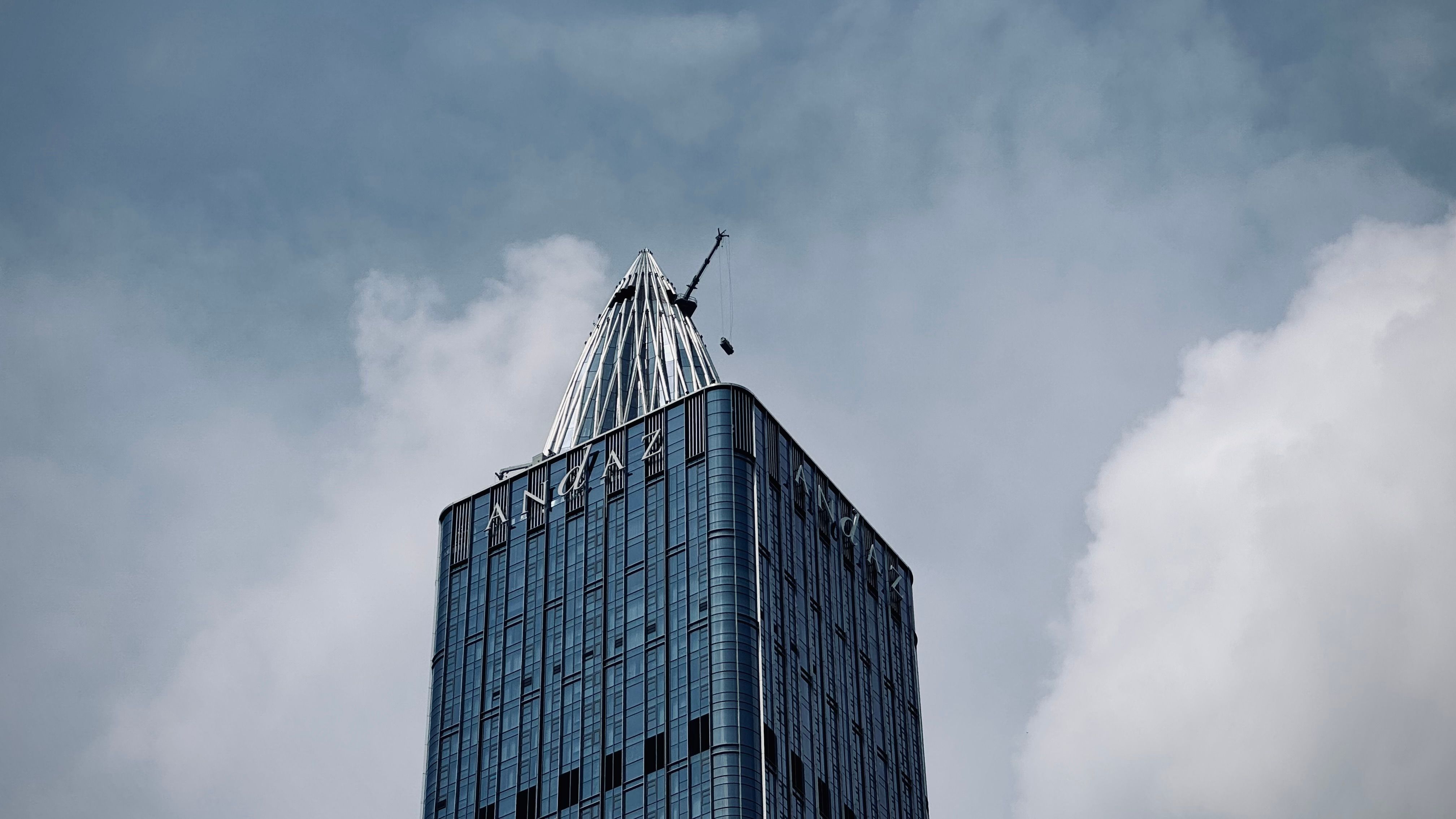
Tokyo’s Most Theatrical Check-In: Is the Andaz Shinjuku Actually Worth It?
Shinjuku is one of the densest, loudest, most electrically charged neighborhoods on earth — and somewhere near the top of it, above the neon and the crowd-press, sits the Andaz Tokyo Shinjuku. The question worth asking before you book: does a hotel this cinematic actually deliver when the lights go down and the rate shows up on your card?
Best Timing
The sweet spot for a stay at the Andaz Shinjuku falls between late March and early May (cherry blossoms and mild temperatures) and again in October through early December (autumn foliage, lower humidity, golden-hour light that was practically designed for the hotel’s warm-neutral interiors). Midsummer — July and August — brings serious humidity and thick crowds to the surrounding Shinjuku streets, which dulls the pleasure of that 10-minute walk outside the front door. Winter weekdays offer the lowest rates and a version of Shinjuku that feels almost quiet by comparison.
For the hotel experience itself, check-in after 4 p.m. tends to yield calmer lobby energy and staff who have more time. The breakfast window — 7:00 to 10:30 a.m. — is best approached at 7:00 sharp on weekdays, when the dining room is half-empty and the light through the high windows is genuinely extraordinary.
Core Experiences
The Lobby Arrival at Floor 52
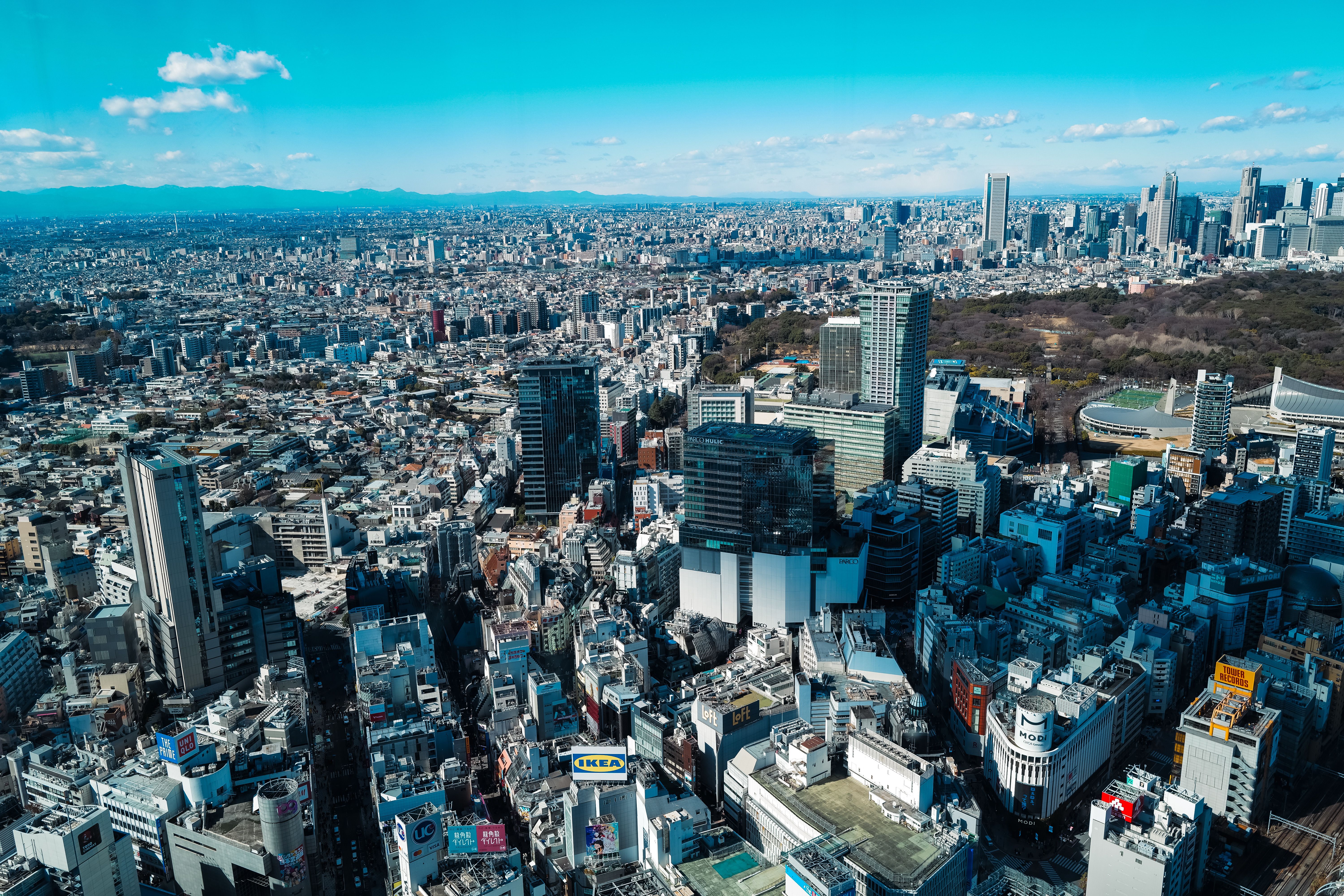
Most Tokyo hotels hand you a check-in desk at street level. The Andaz Shinjuku does something different: the elevator takes you directly to the 52nd floor, and the lobby opens in front of you like a slow exhale. Warm wood paneling, low pendant lighting, and a floor-to-ceiling window wall that frames Shinjuku from above — the city becomes a backdrop rather than a noise problem. The check-in is conducted at low, living-room-style tables rather than a formal counter, which shifts the entire register of the experience. It feels theatrical without being performative. The moment the elevator doors open is genuinely one of the more composed hotel arrivals in Tokyo.
- 📍 Andaz Tokyo Shinjuku, 1-29-3 Kabukicho, Shinjuku, Tokyo · 💰 from ¥55,000/night (~$360 USD) · ⏰ Check-in from 15:00 · ⭐ 4.7
- What locals know: Request a room on the east-facing side — the Tokyo Skytree is visible on clear mornings, and it appears at a distance that feels considered rather than crowded.
The Guest Room — Real Dimensions, Real Light
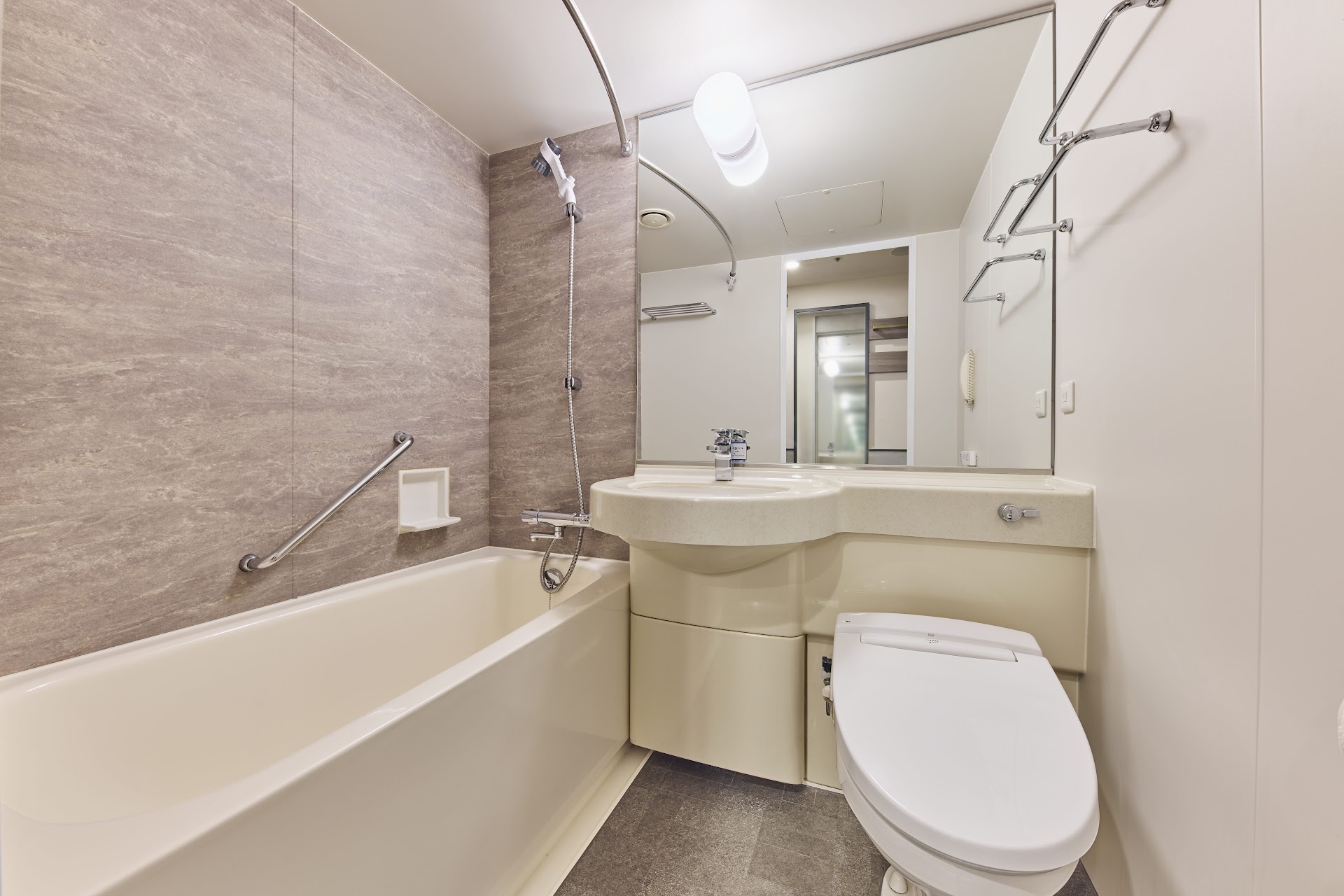
The standard king room runs approximately 42–45 square meters, which is generous by Tokyo standards and honest by international boutique standards. The design leans into texture over decoration: linen bedding in off-white, dark wood furniture with brass hardware, a bathroom done in pale stone with a deep soaking tub. Press photos tend to soften the view with a warm filter; in person, the floor-to-ceiling window simply gives you Shinjuku, raw — the expressway interchange, the capsule hotels, the pachinko signs blinking forty floors below. That visual tension between the room’s calm and the city’s chaos is the actual design statement. No television dominates the wall; the window does.
- 📍 Floors 52–52 (amenity level) and guest floors above · 💰 King Deluxe from ¥55,000, Andaz Suite from ¥120,000 · ⏰ Check-out by 12:00 · ⭐ 4.6
- What locals know: The corner rooms designated as “Skyline” categories offer a diagonal sightline toward both east and south Tokyo — worth the ¥8,000–12,000 premium over standard.
Shinjuku Breakfast at Andaz Tavern
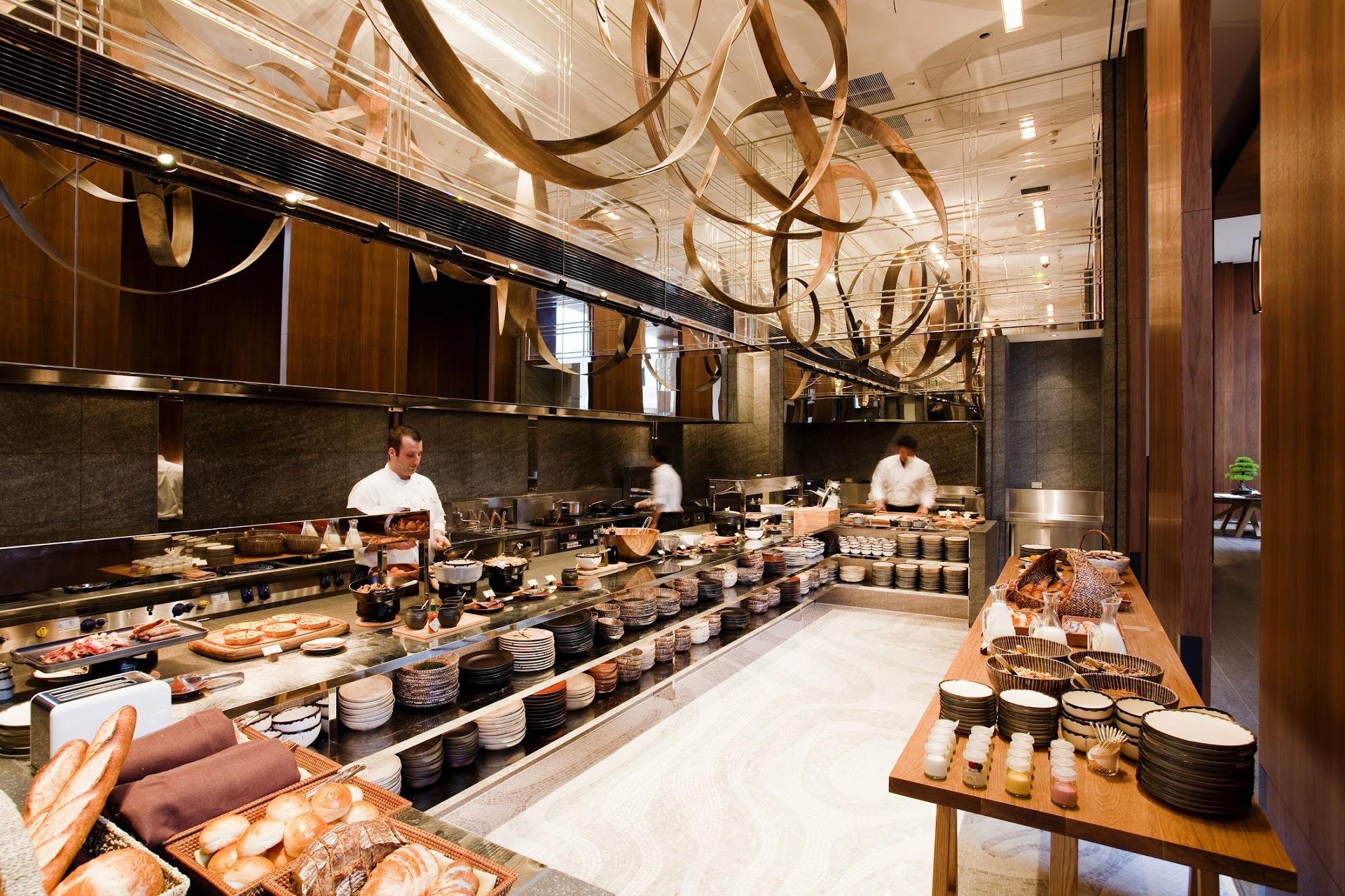
Breakfast at Andaz Tavern is the most revealing hour of a stay here. The menu is not a generic hotel buffer — it is a curated, à-la-carte spread that nods to Japanese morning ritual without performing it for tourists. Expect chawanmushi-style egg dishes, house-baked sourdough, miso soup with seasonal ingredients, and a yogurt bowl built around locally sourced cultured dairy. The coffee program is serious: single-origin pourover is available alongside the standard espresso bar. What the breakfast spread quietly tells you is that the hotel understands Shinjuku is not just a transit hub — it is a neighborhood with a morning rhythm worth honoring.
- 📍 Andaz Tavern, 52F, Andaz Tokyo Shinjuku · 💰 Breakfast set ¥4,500–6,500 per person (included in some rate packages) · ⏰ 7:00–10:30 daily · ⭐ 4.5
- What locals know: Ask for a window-adjacent table when making dinner reservations (the desk can request it at breakfast time for same-day dinner) — the Tavern transitions into a cocktail-and-small-plates operation by evening with the same view.
The Kabukicho 10-Minute Walk
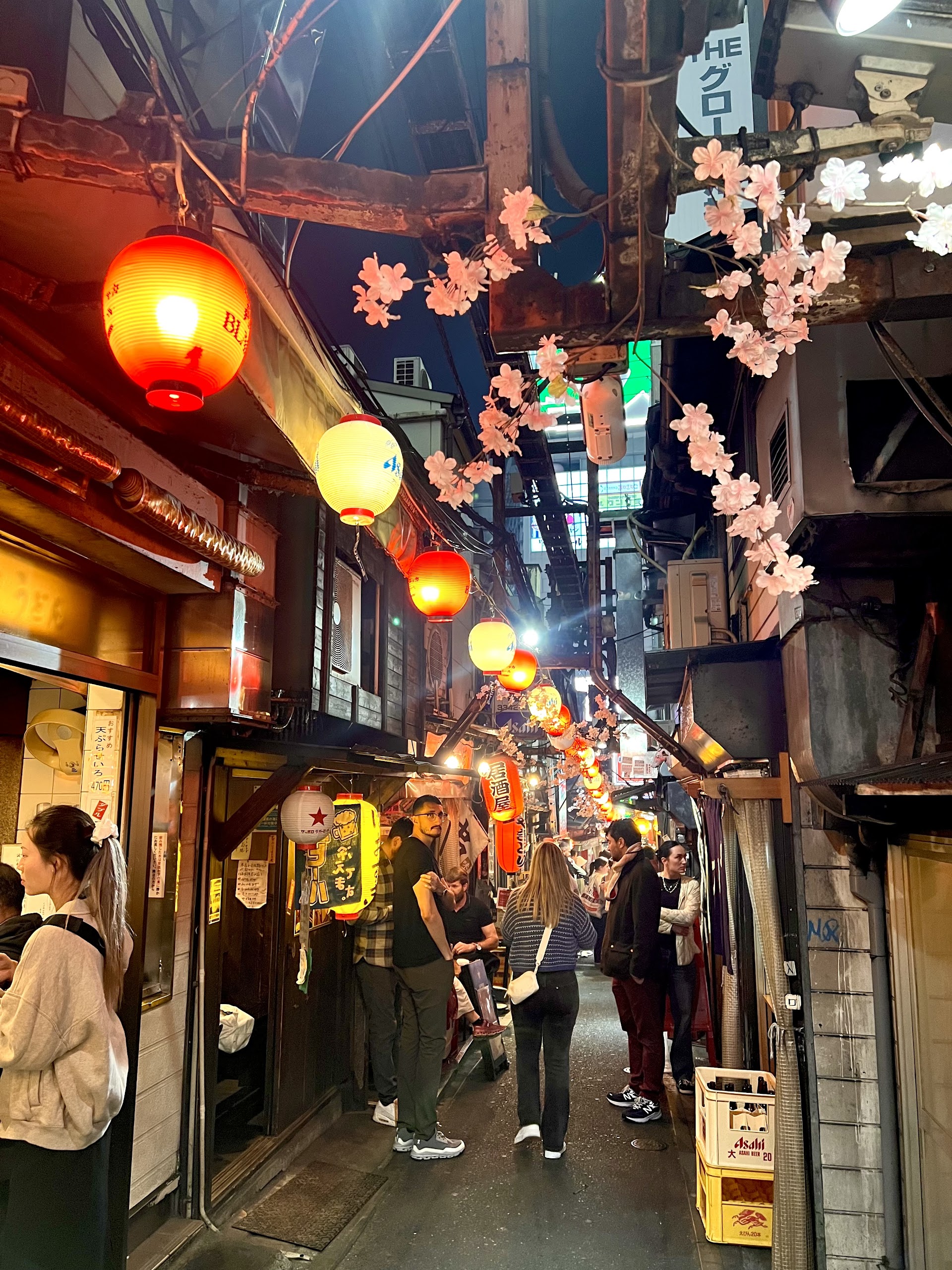
Step out of the hotel’s ground-level exit onto Kabukicho, and the contrast with the 52nd-floor calm hits immediately and intentionally. Within a ten-minute radius: the Shinjuku Toho Building rooftop (Godzilla head visible from street level), the narrow lantern-lit alleys of Golden Gai (roughly 200 tiny bars across six alleys, most open from 7 p.m.), and the covered Kabukicho Ichiban-gai arcade where ramen shops, izakayas, and crane-game arcades coexist without apology. This walk is not in most hotel reviews of the Andaz — but it is the honest answer to the question of what it means to stay here. The hotel’s design is about contrast: the quieter it feels upstairs, the more alive the street-level becomes.
- 📍 Kabukicho, Shinjuku — 2-minute walk from hotel ground exit · 💰 Free to walk; Golden Gai bars from ¥500 cover charge · ⏰ Streets active 24hrs; Golden Gai peaks 20:00–midnight · ⭐ 4.4
- What locals know: Golden Gai bars have a counter maximum of 8–10 seats each — arrive before 9 p.m. or expect to wait outside in the alley, which has its own atmosphere but no shelter from rain.
Andaz Lounge & Bar — The Night View Case
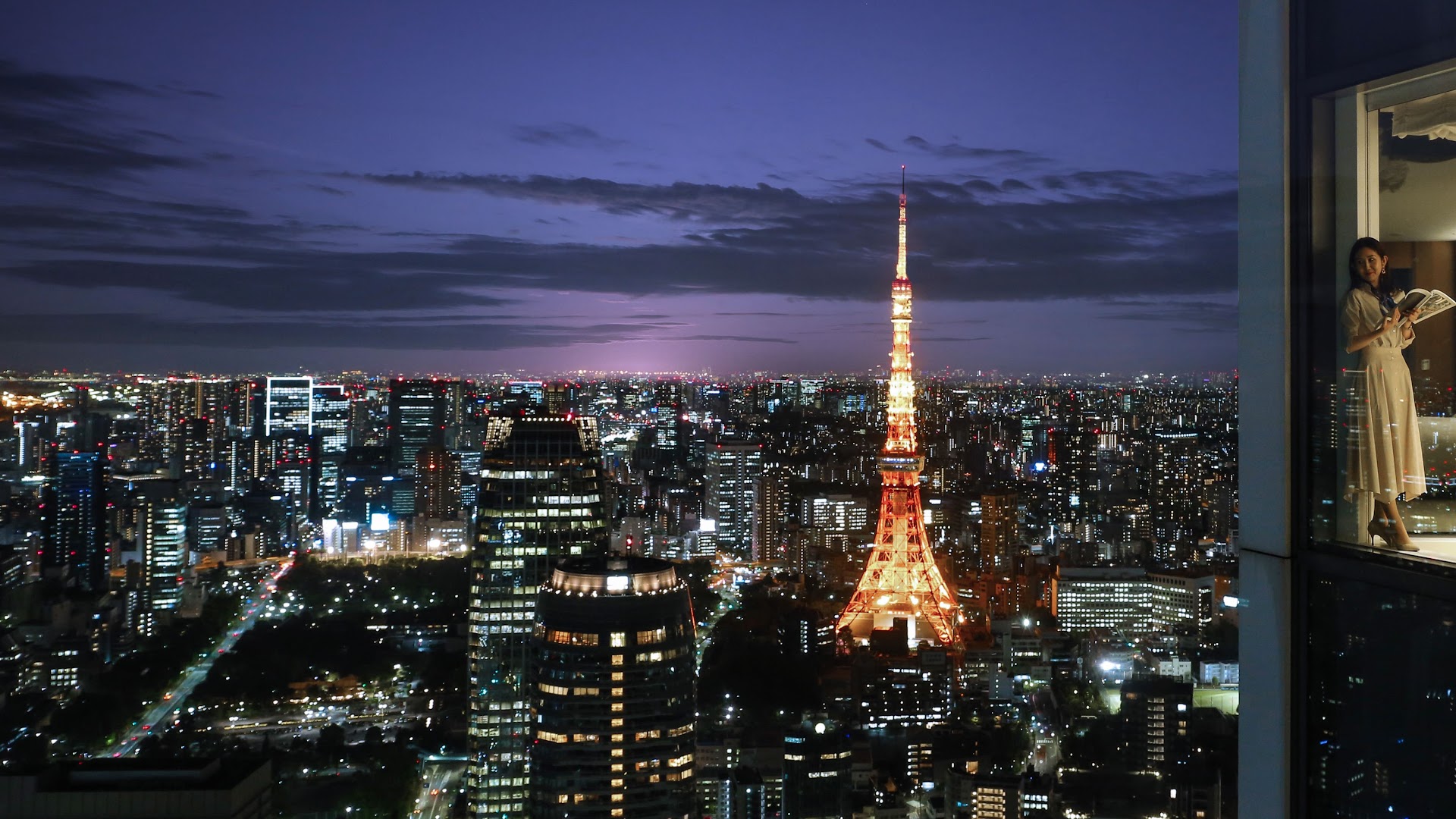
The Andaz Lounge on the 52nd floor makes its strongest argument after dark, when Shinjuku below transitions from afternoon grey to a grid of neon and headlight trails. The cocktail list leans on Japanese whisky and locally foraged botanicals — the Shinjuku Sour (yuzu, shiso, gin) is the menu’s most-ordered item and earns the reputation. Bar seating at the window is technically first-come, but weeknight arrivals before 8 p.m. almost always find a seat. The price point is what you’d expect at this altitude: ¥2,200–3,800 per cocktail. Worth it once, especially on a clear evening when the city below is in full display.
- 📍 Andaz Lounge, 52F, Andaz Tokyo Shinjuku · 💰 Cocktails ¥2,200–3,800; light bites ¥1,800–4,500 · ⏰ 17:00–01:00 (last order 00:30) · ⭐ 4.6
- What locals know: The lounge does not require a reservation for bar seating, but the small number of window-adjacent sofa seats fill by 19:30 on weekends — a 17:30 arrival during the “golden hour” window gives you both the sunset and the transition to full city-glow.
Recommended Route
This is a one-day framework for making the most of a single night at the Andaz Shinjuku.
07:00 — Breakfast at Andaz Tavern. Arrive early for window light and a calm dining room. Allow 45–60 minutes. Pourover coffee, chawanmushi, sourdough.
08:30 — Return to room. The morning light through the floor-to-ceiling windows is at its best between 8 and 9 a.m. on east-facing rooms. This is not a wasted hour.
10:00 — Check-out (or store luggage at the bell desk). Take the ground-level exit and walk west into Shinjuku Gyoen (10-min walk, ¥500 entry) for a grounding contrast — 58 hectares of managed garden against the urban backdrop.
12:30 — Lunch in Kabukicho or the covered Takashimaya Times Square food hall (10-min walk south). Budget ¥1,500–2,500 for a solid ramen or soba set.
14:00 — Explore Omoide Yokocho (Memory Lane, 5-min walk from hotel) in daylight when the yakitori smoke is just beginning and the narrow alley is photographable without crowds.
16:00 — Return to hotel if staying another night, or begin transit. The JR Shinjuku Station west exit is an 8-minute walk; the hotel offers a paid shuttle to Shinjuku Station on request.
17:30 — Andaz Lounge for sunset cocktails. One drink minimum for the window seat is unspoken but understood.
20:00 → Golden Gai for a second drink in a 9-seat bar. No app reservation needed; walk in and find an open door.
Budget · Transport · Booking
Room rate: Standard King from ¥55,000/night (~$360 USD at current rates). Suite categories from ¥120,000. Weekend rates run 15–25% higher than weekday. Book direct via Hyatt.com or through World of Hyatt points — the property is a Category 7 award, requiring 35,000–95,000 points per night depending on dates.
Breakfast: If not included in rate, budget ¥4,500–6,500 per person. Some Hyatt elite rates bundle breakfast — worth cross-checking before booking.
Bar: One cocktail at the Andaz Lounge: ¥2,200–3,800. Two drinks for two people: ¥9,000–15,000 with snacks.
Transport to hotel: From Shinjuku Station (west exit or south exit), it is an 8-minute walk or a ¥700–900 taxi. From Narita Airport: Narita Express to Shinjuku (~90 min, ¥3,070) then walk/taxi. From Haneda: Keikyu Line to Shinjuku (~45 min, ¥680–1,000).
Total day budget (per person, one night): ¥65,000–90,000 including room, breakfast, one lounge cocktail, and meals outside the hotel.
Booking lead time: For standard rooms, 2–3 weeks ahead is generally sufficient outside peak periods. Cherry blossom season (late March–early April) and Golden Week (late April–early May) require 8–12 weeks minimum. Suite categories benefit from 6+ weeks regardless of season.
Must-Know Tips
- 🚇 Use Shinjuku Station’s west exit for the most direct walking route to the hotel — the south and east exits add 5–10 unnecessary minutes through crowds.
- 💰 The hotel accepts all major cards (Visa, Mastercard, Amex); however, Golden Gai bars are predominantly cash only — carry ¥5,000–10,000 in coins and small notes for the neighborhood.
- 📸 Photography in the lobby and lounge is generally welcome for personal use; the staff will politely redirect professional-looking tripod setups. Handheld and phone photography at window seats is unrestricted.
- 🍴 For dinner outside the hotel, the Shinjuku Takashimaya B1–B2 food halls offer a high-quality, low-pressure alternative to navigating Kabukicho restaurants — department store food halls in Tokyo are not a compromise, they are a destination.
- ⭐ World of Hyatt membership (free to join) unlocks room upgrade requests, late checkout to 14:00 (subject to availability), and bonus point earning — activate before booking, not after.
- 🗣️ English is spoken confidently at the front desk, restaurant, and bar. Outside the hotel in Kabukicho, Google Translate’s camera mode handles most menus effectively — Japanese menus in this neighborhood are almost always accompanied by photographs.
Closing
The Andaz Shinjuku is not trying to be the quietest hotel in Tokyo, and it would be dishonest to pretend otherwise. What it offers is a specifically calibrated contrast: a composed, textured, genuinely beautiful room suspended above one of the world’s most relentlessly alive neighborhoods. The breakfast is honest, the bar earns its cocktail prices on the strength of the view alone, and the 52nd-floor arrival is, in fact, as theatrical as promised. Whether the rate is worth it depends on what you’re paying for — if the answer is the sensation of watching Shinjuku from above while it has no idea you’re there, then yes, it is.
Actionable takeaway: Book a weekday night in October or November, request an east-facing room, and set an alarm for 7:00 a.m. to catch the breakfast light. That single morning hour is the honest core of what this hotel is selling — everything else is excellent context.
🏨 Where to Stay
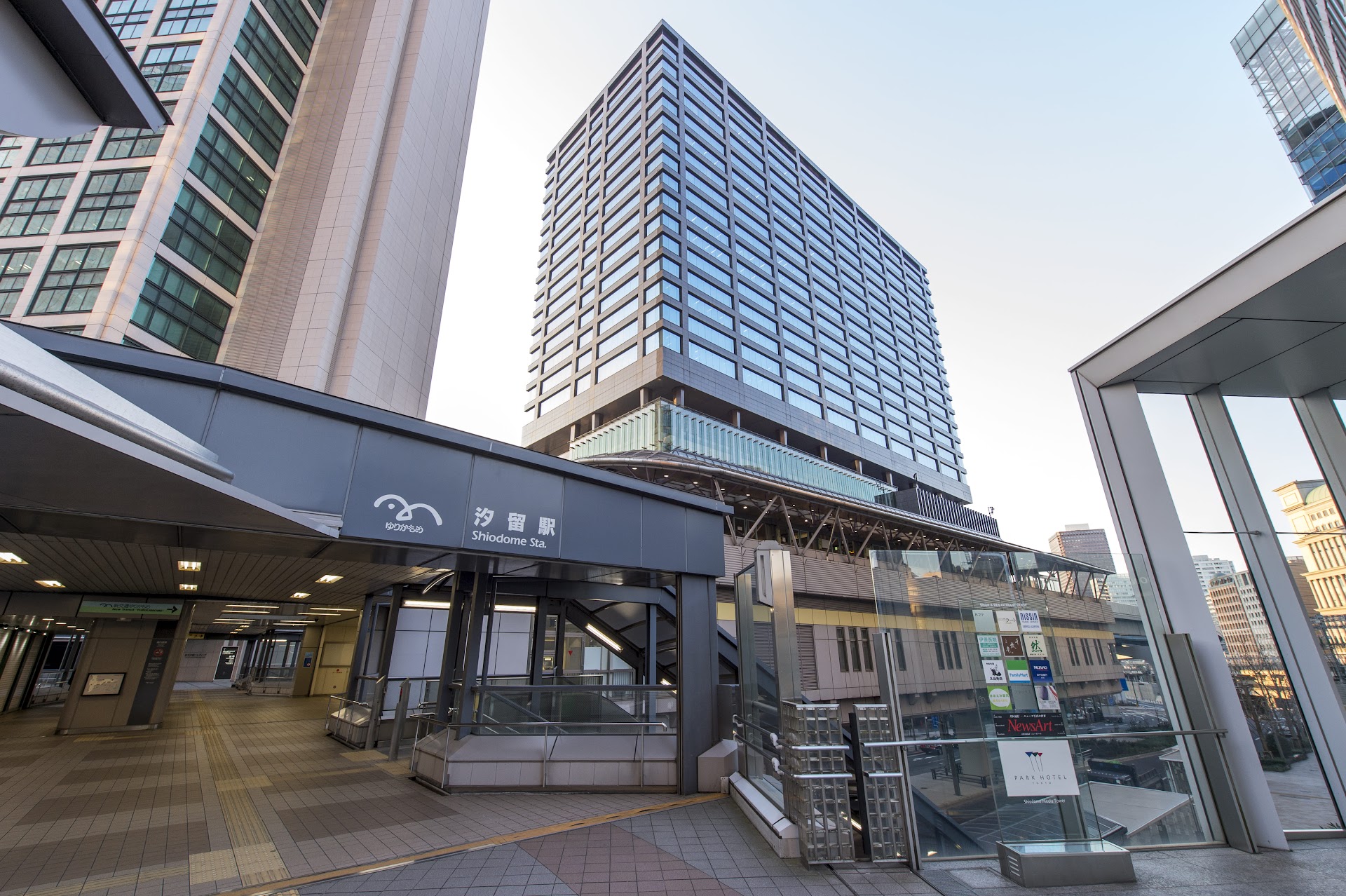
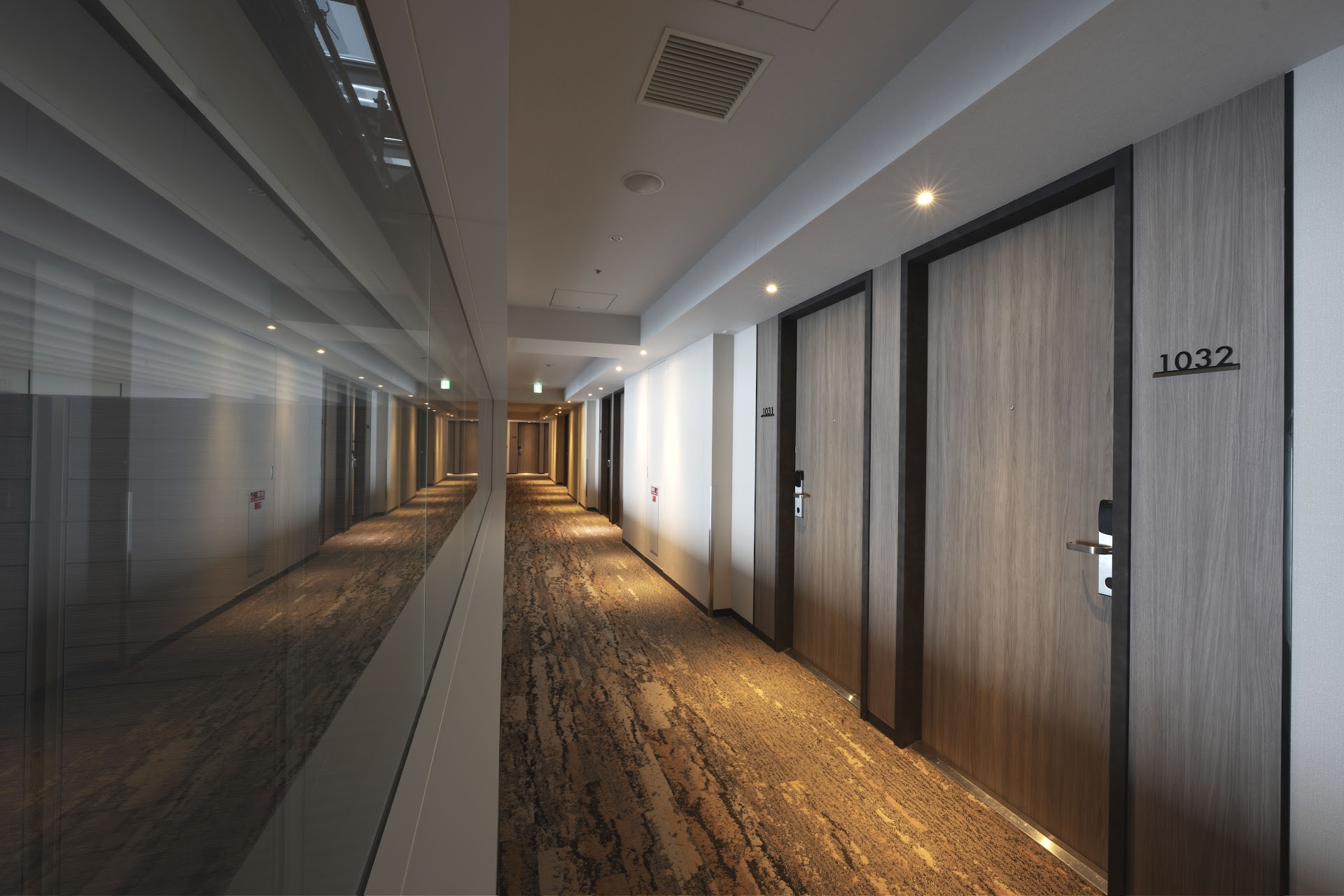 Hotel Villa Fontaine Grand Tokyo-Shiodome⭐ 4.0 · 8.7/10 (15,046) · $85 /night
 Millennium Mitsui Garden Hotel Tokyo / Ginza⭐ 5.0 · 8.9/10 (10,711) · $243 /night
 Hotel Metropolitan Marunouchi⭐ 4.0 · 8.8/10 (2,955) · $193 /night
Agoda affiliate link — clicks go to the price-comparison page.