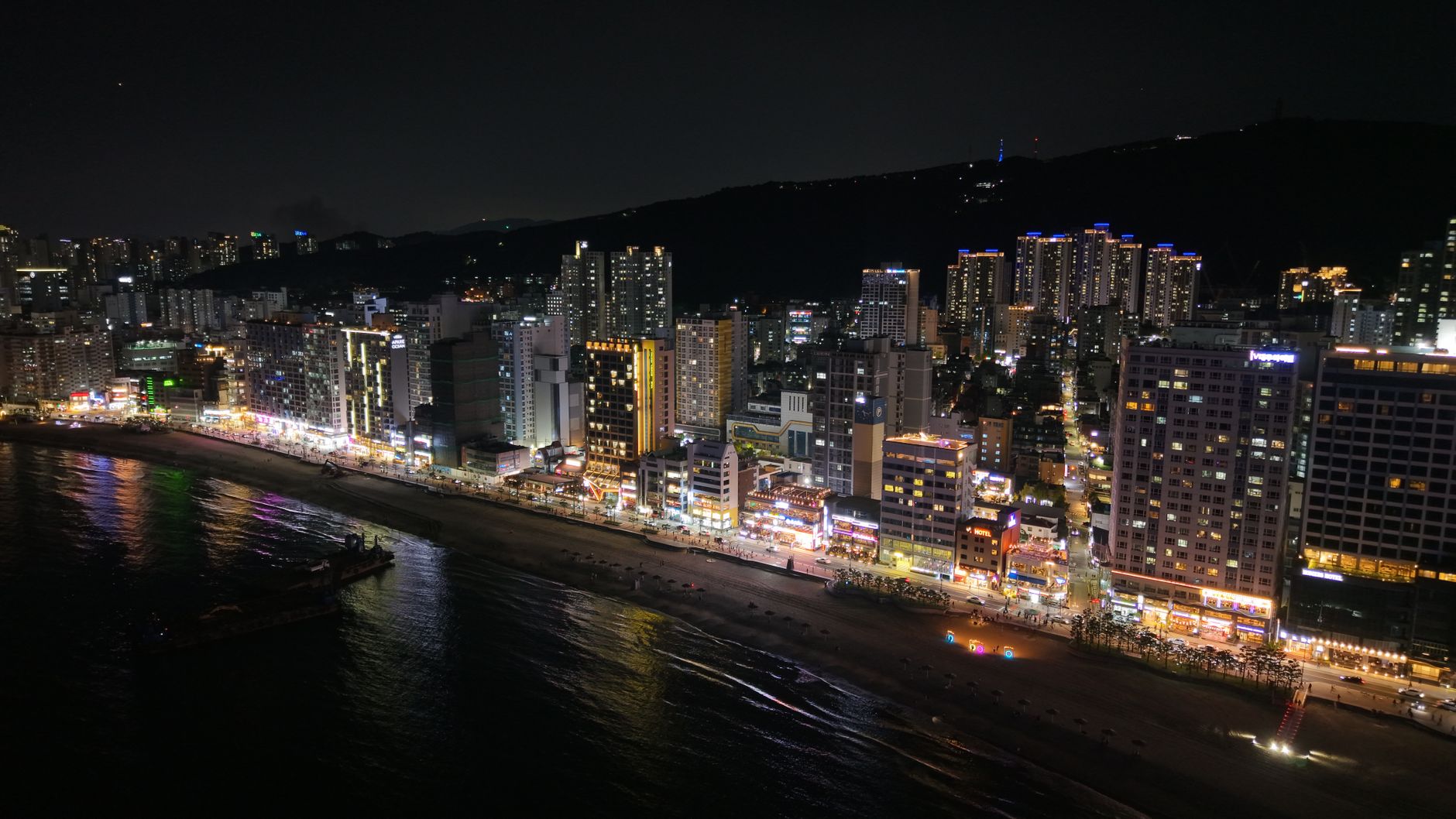
Korea has a ritual that no hotel spa can replicate — and it happens overnight, in steaming rooms, on heated stone floors, surrounded by locals who have been doing this for generations. Welcome to the world of jjimjilbang, South Korea’s iconic sauna-bathhouse culture, and Busan is arguably the best city in the country to experience it.
Best Timing
Jjimjilbang are open 24 hours, but the 10 PM – 6 AM window is when the experience shifts into something genuinely special. The after-work crowd filters in around 9 PM, fills the sauna rooms with quiet conversation and the smell of scorched wood and mineral water, and by midnight the communal sleeping areas are dotted with regulars wrapped in the provided cotton uniforms, called mulgoji. Weeknight visits (Tuesday–Thursday) offer the most relaxed atmosphere, while weekends attract younger crowds and can feel more social and energetic.
Seasonally, November through March is the golden window. Busan winters are mild by Korean standards but cool enough that stepping into a 90°C cedar sauna room feels like a reward rather than an endurance test. The contrast between cold outdoor air and hot spring water is sharper in winter, and that contrast is the entire point. Summer visits are still worthwhile — the cold plunge pools become the star attraction — but spring cherry blossom season (late March to mid-April) brings tourist surges to Haeundae-area facilities.
Core Experiences
Hurshimchung Spa
Sitting oceanfront in Haeundae, Hurshimchung is the largest hot spring spa facility in Asia by floor area, spread across 12,000 square meters. The mineral water here is drawn from underground hot spring sources and carries a mild alkaline composition that locals credit with softening skin after a single soak. Outdoor rooftop pools overlooking the East Sea are available 24 hours, making a 3 AM soak under city lights with the sound of waves below one of Busan’s most quietly spectacular experiences. Inside, themed sauna rooms include a loess clay room (황토방), a salt room (소금방), and a charcoal sauna, each maintained at different temperatures between 45°C and 90°C.
- 📍 Haeundae-gu, Haeundae-haean-ro 200 · 💰 Adults ₩15,000 (daytime) / ₩19,000 (overnight after 9 PM) · ⏰ 24 hours · ⭐ 4.7
- Locals know: The outdoor rooftop mineral pool fills up after midnight on weekends — arrive before 11 PM to claim a spot with an unobstructed sea view.
Spa Land Centum City
Located inside Shinsegae Centum City — the world’s largest department store — Spa Land is the premium-tier jjimjilbang benchmark that other facilities are measured against. Thirteen themed bathing rooms draw directly from European spa design traditions, with zones referencing Finnish saunas, Roman baths, and Turkish hammams, each built with authentic imported materials. The facility caps daily visitors to 2,000 people to maintain atmosphere, which means weekend morning slots (9 AM–11 AM) sell out by early in the week through the online reservation system. The jjimjilbang common area features a rest corridor with individual reclined loungers, a stark contrast to the floor-mat sleeping common in neighborhood bathhouses.
- 📍 Haeundae-gu, Centum Nam-daero 35 (Shinsegae Department Store) · 💰 ₩18,000 (weekday) / ₩22,000 (weekend) · ⏰ 06:00–24:00 (last entry 22:00) · ⭐ 4.8
- Locals know: Book the 9 AM weekday slot online at least 3 days ahead — the website opens reservations 7 days in advance and mid-week morning sessions almost never sell out.
Heosimcheong Healing Spa
For those wanting to move away from the Haeundae tourist corridor, Heosimcheong in Dong-gu near the old downtown offers a rawer, more neighborhood-rooted experience. The building is older, the tile work more worn, and the clientele is almost entirely local — dockworkers, market vendors, office workers from nearby Jungang-daero unwinding after long shifts. The jjimjilbang section here retains the classic Korean bathhouse layout: a large central resting area with woven mats on heated ondol flooring, a communal TV playing late-night dramas, and a small snack bar serving sikhye (sweet rice drink) and baked eggs — the two foods permanently associated with Korean sauna culture.
- 📍 Dong-gu, Jungang-daero 425 · 💰 ₩8,000 (full access including jjimjilbang) · ⏰ 05:00–23:00 · ⭐ 4.4
- Locals know: The baked eggs here are cooked in the sauna’s heat overnight — order them just after opening at 5 AM for the freshest batch of the day.
Daecheong Lake Hwangto Jjimjilbang
A 40-minute drive from central Busan toward Gimhae takes visitors to a different register entirely: Daecheong Lake Hwangto Jjimjilbang, a traditional loess-clay (황토) facility built into a hillside above the reservoir. The entire interior — walls, floor, ceiling — is constructed from natural yellow loess clay, which is believed in Korean folk medicine to emit far-infrared rays that promote circulation and detoxification. There are no themed European rooms here, no luxury loungers. What exists is a single massive clay-walled room that holds up to 60 people, a small cold shower alcove, and a panoramic deck overlooking the lake. Regulars drive here specifically for what they describe as a deeper sweat compared to city facilities.
- 📍 Gimhae-si, Daecheong-dong (approx. 40 min from Busan Station by car) · 💰 ₩7,000 · ⏰ 06:00–22:00 · ⭐ 4.5
- Locals know: Bring your own water — the facility provides basic amenities but the rural location means the small café closes at 8 PM. A reusable bottle and electrolyte packet are standard gear among regulars.
Oncheonjang District Public Bathhouse
Busan’s Oncheonjang neighborhood in Dongnae-gu is the city’s original hot spring district, with recorded hot spring use going back to the Joseon Dynasty. The public bathhouses (대중목욕탕) clustered around Oncheonjang station are not luxury spas — they are working-class neighborhood institutions charging between ₩5,000 and ₩7,000 for full bathing access to naturally sourced geothermal water. The water temperature runs between 42°C and 46°C, slightly hotter than most commercial spas, and the mineral content is higher, leaving skin visibly softer after a 30-minute soak. These bathhouses rotate fresh hot spring water continuously; there is no recycled water in the pool system. Choosing any of the half-dozen bathhouses within a 200-meter radius of the station exit delivers an authentic, unfiltered version of the Korean public bath tradition.
- 📍 Dongnae-gu, Oncheon 2-dong (3-min walk from Oncheonjang Station, Line 1) · 💰 ₩5,000–₩7,000 · ⏰ Varies by facility; most open 05:00–22:00 · ⭐ 4.5
- Locals know: The natural hot spring water cools faster in winter — the pools nearest the inlet pipe (usually the back-right section) run several degrees hotter than those near the drain end.
Recommended Route
This full-day and overnight itinerary captures the breadth of Busan’s jjimjilbang culture without requiring a car for most of the journey.
- 14:00 — Take Busan Metro Line 1 to Oncheonjang Station (from Seomyeon: 15 min). Spend 60–90 minutes at one of the public bathhouses in the hot spring district. Low cost, high authenticity — ideal as an afternoon warm-up.
- 16:30 — Walk 3 minutes back to the station, take Line 1 south to Seomyeon, transfer to Line 2 east toward Haeundae (total: ~35 min). Drop bags at accommodation if needed.
- 18:00 — Dinner near Haeundae: dwaeji gukbap (pork bone soup) at one of the restaurants along Haeundae Market Street — budget ₩9,000–₩12,000 per bowl. This is the standard pre-sauna meal locals choose: warming, protein-heavy, inexpensive.
- 19:30 — Check in at Spa Land Centum City (5 min by taxi from Haeundae Beach, ₩5,000 fare). Spend 2–3 hours rotating through the themed rooms. Exit by 22:00 (last entry policy).
- 22:30 — Taxi 8 minutes to Hurshimchung Spa (₩6,000 fare). Pay the overnight rate and access the rooftop mineral pool. Stay as long as desired — 2 AM is a realistic departure time for those wanting the full overnight arc.
- Following morning, 09:00 — Optional: take a taxi to Heosimcheong near Jungang for breakfast baked eggs and sikhye in the jjimjilbang rest area before heading onward.
Budget · Transport · Booking
Per-person day budget (mid-range):
- Oncheonjang public bathhouse: ₩6,000
- Dinner (dwaeji gukbap + drink): ₩12,000
- Spa Land entry: ₩18,000–₩22,000
- Hurshimchung overnight: ₩19,000
- Taxis (3–4 short rides): ₩20,000–₩25,000
- Snacks and drinks inside facilities: ₩5,000–₩10,000
- Total: approximately ₩80,000–₩95,000 (≈ USD 58–70)
Booking requirements:
- Spa Land requires advance online reservation, especially weekends — book 3–7 days ahead at spaland.co.kr. Accepts Korean credit cards and international cards via the English-language interface.
- All other facilities in this guide are walk-in. No reservation needed.
- Hurshimchung can be paid with most international credit cards. Most neighborhood bathhouses and Heosimcheong prefer cash (Korean won).
Transport note: The Busan Metro covers Oncheonjang, Centum City (Shinsegae Station), and Haeundae on a single integrated system. A T-money card (available at any convenience store, ₩2,500 deposit + top-up) covers all metro and bus fares. Taxis from the meter start at ₩4,800 and short Haeundae-area rides rarely exceed ₩7,000.
Must-Know Tips
- 🧴 Bring nothing — almost everything is provided. Towels, the distinctive orange cotton uniforms (mulgoji), shampoo, and body wash are included in the entry fee at Hurshimchung and Spa Land. Neighborhood bathhouses provide towels for ₩500–₩1,000 extra.
- 🚿 Shower before entering any pool. This is Korean bathhouse law, not custom — showers are located immediately before the bathing areas and every regular uses them thoroughly. Skipping this is immediately noticeable and considered disrespectful.
- 📵 Photography inside bathing areas is prohibited everywhere. Phones and cameras are strictly banned in the bathing sections (changing rooms, pools, sauna rooms). Common areas and cafeteria zones sometimes allow photography — check posted signs. Violations result in immediate removal.
- 💴 Carry ₩10,000–₩20,000 in cash even if you plan to pay entry by card. Baked eggs, sikhye, ramen from vending machines, and locker key deposits at smaller facilities are often cash-only transactions.
- 🗣️ Basic Korean phrases go far: Eoseo oseyo (welcome, you won’t need this), olmaeyo? (how much?), and gomapseumnida (thank you) earn immediate goodwill. Staff at Spa Land and Hurshimchung speak functional English; neighborhood facilities do not.
- ⏰ Plan sleep logistics before midnight. If staying overnight, claim a mat space in the common sleeping area by 11 PM on weekends — popular spots near the warm ondol floor center fill first. Bring earplugs; communal snoring is ambient and unavoidable.
Closing
The jjimjilbang is not a tourist attraction in the conventional sense — it is a living institution, as woven into daily Korean life as the subway or the convenience store. To spend a night cycling between salt rooms, cold pools, and heated stone floors alongside grandmothers, off-duty nurses, and university students doing the same thing they did last week and the week before is to glimpse something that no curated tour can manufacture. Busan, with its combination of world-class premium facilities and authentic neighborhood bathhouses, offers the widest range of this experience in one city.
The actionable takeaway: book Spa Land for a weekday morning slot this week, then plan the Hurshimchung overnight for the night before you fly home. That pairing — premium and primal, morning and midnight — captures the full spectrum of what Korean spa culture actually is.
🏨 Where to Stay
 Hotel Homers⭐ 4.0 · 8.4/10 (3,716) · $66 /night
 Best Louis Hamilton Hotel GwangAn⭐ 3.0 · 7.9/10 (2,626) · $33 /night
 The First Ocean Gwangan⭐ 3.0 · 8.4/10 (446) · $42 /night
Agoda affiliate link — clicks go to the price-comparison page.